Empowering Women Through Community: DiabetesSisters Releases New Resource Flyer to Expand Peer Support Networks

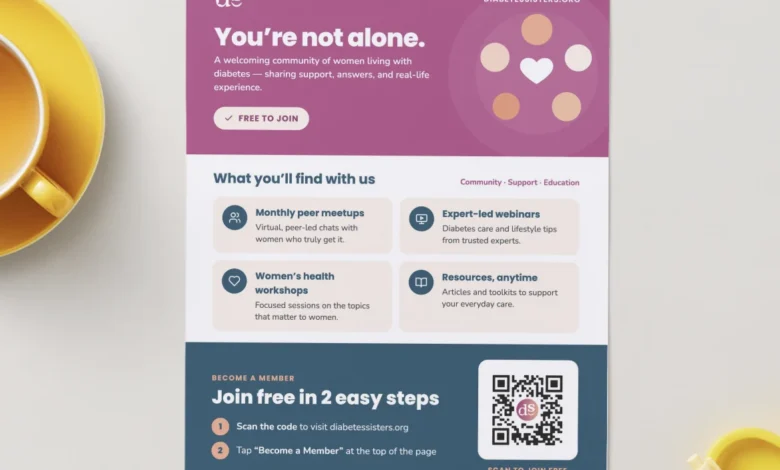
The management of diabetes, a chronic condition affecting millions globally, is frequently characterized by the physiological challenges of blood glucose regulation and the psychological burden of long-term self-management. For women, these challenges are often compounded by hormonal fluctuations, gender-specific health disparities, and the societal pressures associated with caregiving and professional responsibilities. In an effort to address these unique hurdles, the non-profit organization DiabetesSisters has launched a comprehensive, printable informational flyer designed to streamline access to its suite of virtual support services. This initiative aims to bridge the gap between clinical care and the emotional necessity of peer-to-peer connection, providing a tangible resource for women to navigate the complexities of living with the disease.
The Evolution of Peer Support in Chronic Disease Management
The history of patient advocacy in the diabetes community has undergone a significant transformation over the past two decades. Historically, diabetes care was almost exclusively confined to the clinical environment, with limited avenues for patient-led support outside of specialized medical settings. The emergence of the internet and social media began to dissolve these geographical barriers, allowing individuals to share personal experiences, management strategies, and emotional support.
DiabetesSisters was founded on the premise that women experience diabetes differently than men, both biologically and socially. Over the last several years, the organization has curated a model of care that integrates professional medical expertise with the experiential knowledge of peer groups. The introduction of this new flyer represents the next phase in their outreach strategy, acknowledging that while digital transformation is ubiquitous, physical reminders remain a powerful tool for patient engagement. By facilitating a bridge between local communities—such as libraries, clinics, and doctor’s offices—and their digital infrastructure, the organization is attempting to reach women who may be struggling in isolation.
The Scope of the DiabetesSisters Initiative
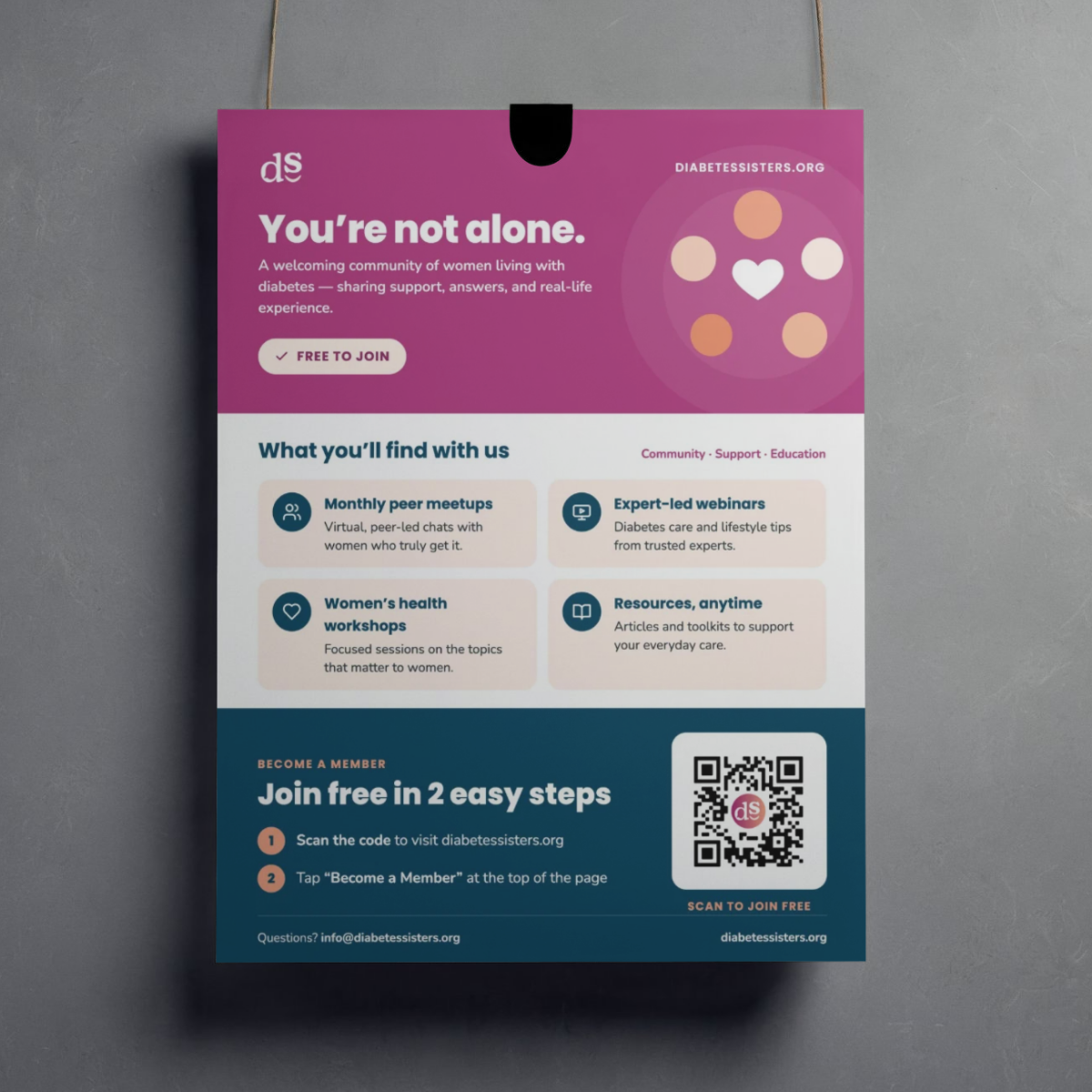
The resources highlighted in the new flyer encompass a multi-modal approach to patient support. Central to the organization’s offering are the monthly virtual peer meetups. These sessions are facilitated to ensure a safe space for women to discuss the day-to-day realities of insulin administration, glucose monitoring, and the psychological fatigue often referred to as "diabetes burnout."
Furthermore, the organization provides expert-led webinars. These are critical in an era where medical misinformation is prevalent. By partnering with endocrinologists, certified diabetes care and education specialists (CDCES), and nutritionists, DiabetesSisters ensures that the information disseminated is evidence-based. These webinars cover a spectrum of topics, from the latest advancements in continuous glucose monitoring (CGM) technology to the impact of reproductive health on glycemic control.
Women’s health workshops round out the core offerings, focusing on the intersection of diabetes with pregnancy, menopause, and cardiovascular health—areas where gender-specific data is still evolving. The barrier to entry for these services has been deliberately lowered; the organization emphasizes that all core support programs are available free of charge, acknowledging the significant economic burden that diabetes places on household finances.
Statistical Context and the Need for Targeted Support
Data from the Centers for Disease Control and Prevention (CDC) and the American Diabetes Association (ADA) underscore the urgency of specialized support for women. Diabetes remains a leading cause of disability and mortality in the United States, with millions of women currently diagnosed. Research indicates that women with diabetes face a higher risk of cardiovascular disease—the leading cause of death for women—compared to their non-diabetic counterparts.
Furthermore, the psychological impact is measurable. Studies have shown that women living with type 1 and type 2 diabetes report higher levels of diabetes-related distress and depression compared to men. The "dual burden" of managing a chronic illness while balancing societal roles often leads to reduced adherence to treatment regimens. Peer support interventions have been clinically proven to improve psychosocial outcomes. By providing a platform where women can share "lived experience," DiabetesSisters facilitates what researchers call "normalization," which reduces the stigma associated with the condition and encourages proactive health management.
Strategic Implementation: Bridging the Digital Divide
The decision to utilize a physical flyer as a gateway to a digital community is a strategic move to address the "digital divide" and the fatigue of online searching. The inclusion of a QR code on the flyer allows for an immediate transition from the physical space to the organization’s membership portal.
For healthcare professionals, the flyer serves as a point-of-care tool. Medical providers are often constrained by the limited time they have with patients, which is typically focused on clinical metrics like HbA1c levels and medication dosage. Providing a patient with a tangible resource allows the provider to offer a referral to emotional and social support without extending the appointment duration. It allows the provider to fulfill a holistic care model, acknowledging that clinical outcomes are deeply tethered to the patient’s mental health and sense of community belonging.
Chronology of Outreach and Digital Engagement
Since its inception, DiabetesSisters has moved through several distinct phases of growth. Initially focused on local, in-person support groups, the organization pivoted rapidly during the global pandemic to a fully virtual model. This transition proved to be a catalyst for growth, as it allowed women in rural or underserved areas—who previously lacked access to local support groups—to join a national network of peers.
The current strategy of distributing physical materials represents a "phygital" approach—combining the visibility of traditional print media with the efficiency of digital tracking and sign-up systems. This rollout coincides with a period where many health organizations are re-evaluating their outreach efforts to capture the attention of a population that is increasingly overwhelmed by digital notifications and fragmented health information.
Expert Analysis: The Impact of Peer-Led Organizations
Public health experts generally agree that peer-led organizations play a vital role in the long-term management of chronic conditions. Dr. Elena Vance, a hypothetical expert in patient advocacy, suggests that "the clinical setting provides the ‘what’—the medicine, the diet, the monitoring—but peer organizations provide the ‘how.’ They provide the practical, nuanced advice on how to live a full life with a chronic condition that is relentless."
The implications of this initiative are broad. By centralizing resources through a single point of entry, DiabetesSisters is reducing the friction that prevents many patients from seeking help. The scalability of their virtual meetups means that they can accommodate thousands of women, creating a network effect where the collective knowledge of the group grows stronger as the membership expands.
Broader Implications for Healthcare Systems
The broader impact of such programs on the healthcare system is substantial. When patients are better supported, they are more likely to adhere to their treatment plans, which reduces the incidence of emergency room visits, hospitalizations for diabetic ketoacidosis (DKA), and long-term complications such as neuropathy or retinopathy. By facilitating a community that encourages routine care, organizations like DiabetesSisters may, in the long term, reduce the aggregate cost of care for the healthcare system.
However, the success of these initiatives depends heavily on the accessibility of the information. The flyer serves as a low-cost, high-impact mechanism for dissemination. By targeting spaces like public libraries, community centers, and waiting rooms, the organization is casting a wide net, ensuring that women who may not be active on social media—or who may be facing isolation—have a way to find a community that understands their experience.
Conclusion: A Call to Action for the Community
As DiabetesSisters continues to refine its support structures, the release of this flyer serves as a clear directive to the broader community: diabetes management is not a solitary task. Whether it is a woman living with the condition, a family member looking to support a loved one, or a healthcare professional seeking to improve patient outcomes, the utility of this resource is universal.
The organization’s emphasis on "not being alone" is not merely a slogan; it is a fundamental pillar of health equity. In an environment where the medical system is increasingly digitized and often impersonal, the act of handing a piece of paper to a peer remains a profound gesture of solidarity. By simplifying the path to membership and connection, DiabetesSisters is ensuring that the support networks necessary for navigating the complexities of diabetes are as accessible as possible, reinforcing the idea that shared experience is one of the most effective tools in the medical toolkit. The flyer is more than a brochure; it is an invitation to participate in a community designed to foster resilience, knowledge, and, ultimately, better health outcomes for women living with diabetes.
Related posts: