Breakthrough T1D Clinical and Research Congress Ushers in a New Era for Type 1 Diabetes Innovation

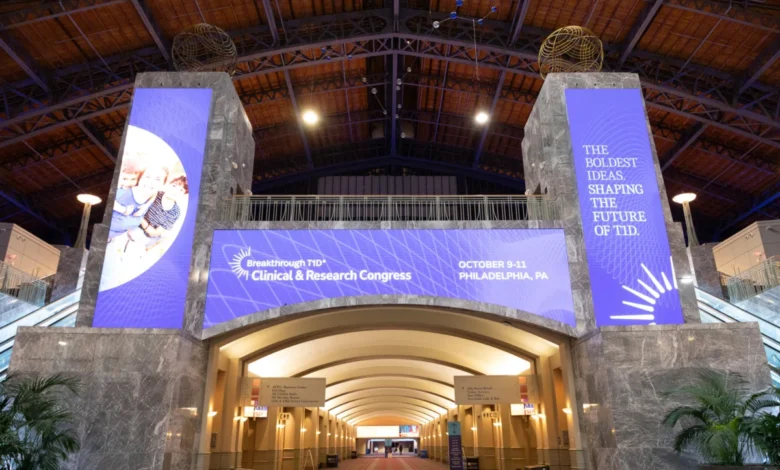
The landscape of type 1 diabetes (T1D) research underwent a profound transformation this fall as scientists, clinicians, industry leaders, and advocates gathered for a landmark scientific symposium. Held from October 9 to October 11 at the Pennsylvania Convention Center in Philadelphia, the inaugural Breakthrough T1D Clinical and Research Congress marked a definitive departure from traditional medical conventions. For decades, breakthroughs in the T1D space were predominantly unveiled at broader, multi-disease endocrinology forums, such as the American Diabetes Association’s Scientific Sessions. The launch of a dedicated, singular congress signals that the T1D research community has reached a critical mass, characterized by accelerated therapeutic pipelines and an unprecedented density of clinical advancements.
The convening of this specialized congress reflects a broader evolution within the T1D sector. Historically, funding organizations and research networks operated within relatively siloed academic environments, presenting findings at sprawling conferences where T1D was just one of many metabolic conditions discussed. By establishing an exclusive forum dedicated entirely to the prevention, treatment, and cure of T1D, Breakthrough T1D—formerly known as JDRF—has institutionalized a centralized hub for cross-disciplinary collaboration. This structural shift addresses a long-standing challenge in the field: the need for a dedicated ecosystem where immunologists, cell biologists, pediatric endocrinologists, and technology developers can interrogate data specific to the autoimmune destruction of pancreatic beta cells without competing with general endocrinology priorities.
A Convergence of Global Scientific Leadership
The attendance roster in Philadelphia read as a comprehensive directory of the world’s leading diabetes investigators. Prominent figures such as Dr. David Harlan of the UMass Chan Medical School, Dr. Peter Senior of the University of Alberta, Dr. Kimber Simmons of the Barbara Davis Center, Dr. Colin Dayan of Cardiff University, and Professor Chantal Mathieu of Katholieke Universiteit Leuven converged to review the state of the science. The gathering provided a rare density of specialized intellect, drawing experts who typically navigate a fragmented circuit of international medical meetings.
For veteran observers of the T1D space, the atmosphere was markedly distinct from prior academic gatherings. Attendees and industry representatives frequently noted that the density of relevant, high-impact sessions eliminated the traditional challenge of filtering through unrelated abstracts. Every panel, keynote, and symposium addressed specific verticals of T1D research, spanning disease-modifying therapies (DMTs), automated insulin delivery systems, stem-cell-derived islet replacements, and genetic screening protocols. This hyper-focus catalyzed continuous dialogue, extending formal conference hours into late-night working dinners where investigators debated clinical trial designs and forged potential multi-institutional collaborations.
The Evolution of Therapeutic Paradigms: Disease Modification Versus Replacement
The core scientific programming of the congress highlighted the rapid maturation of clinical pipelines, most notably through high-profile debates regarding therapeutic strategy. A focal point of the event was a formal debate between Dr. Colin Dayan and Dr. Peter Senior, addressing the fundamental question: disease-modification versus replacement therapy in T1D—which strategy offers optimal scalability, durability, and safety over the long term?
Dr. Dayan championed the advancement of disease-modifying therapies, arguing that targeting the underlying autoimmune attack at its earliest stages offers the potential for durable, long-term preservation of endogenous insulin production. By intervening before complete beta-cell destruction occurs, DMTs—such as teplizumab, which received U.S. Food and Drug Administration (FDA) approval in 2022 as the first disease-modifying therapy for stage 2 T1D—aim to fundamentally alter the disease course. Proponents of this approach emphasize that successful early intervention could reduce the lifelong burden of chronic disease management, potentially offering a more scalable and accessible therapeutic option, particularly for newly diagnosed pediatric populations.
Conversely, Dr. Senior emphasized the clinical realities of the existing patient population, noting that the vast majority of individuals living with T1D are past the window of early intervention and have established disease with near-total loss of endogenous beta-cell function. For these patients, preservation strategies are no longer viable, making cellular replacement therapy an operational necessity. Recent advancements in stem-cell-derived islet transplantation—which seek to replenish insulin-producing cells without relying on human donor tissue—represent a vital frontier for this demographic. The debate underscored a consensus within the modern T1D landscape: rather than competing methodologies, DMTs and cell replacements represent complementary pillars addressing different stages of the patient journey.
The Imperative for Cross-Disciplinary Collaboration
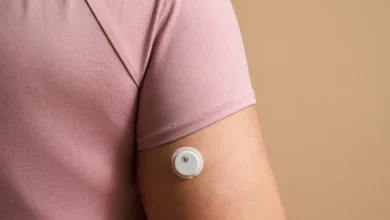
In her keynote address, Professor Chantal Mathieu provided a comprehensive synthesis of the field’s current trajectory, balancing an inventory of recent clinical milestones with a candid assessment of systemic hurdles. Mathieu highlighted the expanding integration of continuous glucose monitors (CGMs) and automated insulin delivery (AID) systems, the validation of early-stage screening initiatives that identify autoantibodies years before clinical onset, and the advancing pipeline of regenerative medicine.
However, Mathieu’s address placed heavy emphasis on the culture of scientific inquiry itself. Pointing to the historical tendencies of academic and corporate entities to operate in isolation—driven by pressures related to intellectual property, academic tenure, grant allocation, and commercial exclusivity—she issued an appeal for systemic collaboration. She stressed that no single laboratory, pharmaceutical enterprise, or academic institution possesses the comprehensive blueprint required to eradicate T1D. The translation of complex immunological and cellular therapies from bench to bedside, she argued, demands an open-science framework characterized by shared data registries, coordinated clinical trials, and proactive partnership across sectors.
Contextualizing the Breakthroughs: A Historical Timeline of Progress
The optimism palpable throughout the Philadelphia congress is rooted in a fundamental acceleration of clinical timelines over the past two decades. To understand the significance of the 2024 congress, one must examine the incremental progression of T1D research milestones:
- 2001–2010: Research was heavily focused on intensive glycemic control, continuous glucose monitoring technology, and basic immunology. Islet transplantation was restricted by the severe shortage of human donor organs and the heavy burden of systemic immunosuppressive regimens. Automated insulin delivery systems remained conceptual or restricted to closed-loop laboratory settings.
- 2011–2020: The transition from discrete blood glucose meters to real-time CGMs revolutionized daily management. Clinical trials began testing immune-modulating agents to preserve residual beta-cell function in new-onset patients. The realization that T1D could be detected years before clinical symptoms via autoantibody screening gained mainstream clinical traction.
- 2021–Present: The regulatory approval of teplizumab in late 2022 marked the watershed moment of the first approved disease-modifying therapy capable of delaying stage 3 T1D diagnosis by a median of over two years. Concurrently, human clinical trials evaluating encapsulated, stem-cell-derived islet therapies advanced rapidly, demonstrating the production of endogenous C-peptide and a reduction in exogenous insulin requirements.
Economic, Clinical, and Societal Implications
The maturation of the T1D therapeutic pipeline carries profound implications for healthcare systems globally. Type 1 diabetes is a chronic, lifelong condition requiring rigorous, 24/7 self-management involving insulin administration, frequent glucose monitoring, and constant vigilance against acute complications such as severe hypoglycemia and diabetic ketoacidosis (DKA), as well as long-term microvascular and macrovascular complications affecting the kidneys, eyes, nerves, and cardiovascular system.
The financial toll of managing T1D—driven by the rising costs of insulin, analog delivery devices, and diagnostic supplies—imposes a heavy economic burden on families and health insurers alike. Furthermore, indirect costs stemming from lost productivity and the management of chronic comorbidities amplify this impact.
The validation and commercialization of disease-modifying therapies and scalable cell replacements have the potential to structurally alter this economic calculus. If DMTs can successfully delay or prevent the onset of insulin dependency in at-risk individuals identified through general population screening, the societal incidence of acute medical emergencies and long-term complications will decline correspondingly. Similarly, successful cellular replacement therapies—particularly those utilizing encapsulation technologies that eliminate the need for chronic systemic immunosuppression—could theoretically restore metabolic homeostasis, liberating patients from the daily cognitive and physiological burden of manual glucose regulation.
Looking Forward: The Path to a Cure
The conclusion of the inaugural Breakthrough T1D Clinical and Research Congress leaves little doubt that the field has transitioned from an era of theoretical exploration into an era of actionable, late-stage clinical development. What was once discussed as distant scientific aspiration is now being measured in clinical trial endpoints, regulatory filings, and patient-reported outcomes.
As investigators return to their respective institutions across North America, Europe, and beyond, the framework established in Philadelphia is expected to serve as a permanent fixture in the international medical calendar. By consolidating the brightest minds in immunology, endocrinology, and bioengineering into a dedicated forum, the scientific community has established a robust infrastructure designed to expedite the elimination of T1D. For millions of individuals living with the condition and their families, the congress served as tangible evidence that the horizon of modern medicine is actively shifting toward a future where type 1 diabetes is successfully prevented, treated, and ultimately cured.