Navigating the Nuances of Teenage Body Piercings: Beyond Age, Towards Maturity and Safety

The question of when a teenager is "ready" for a body piercing is not simply a matter of chronological age but hinges significantly on a combination of demonstrated maturity, a robust understanding of responsibility, and the inherent risk level associated with the specific piercing type. While a birthday might seem like a convenient benchmark, experts and professional piercers emphasize that a teenager’s readiness is far more accurately gauged by their consistent hygiene practices, their capacity for diligent aftercare, and their overall commitment to the healing process. For instance, a responsible 13-year-old with a proven track record of excellent personal hygiene might be deemed more prepared for a simple earlobe piercing than a 16-year-old who still requires frequent reminders about basic self-care, underscoring that maturity, not just age, is the paramount factor.
The Nuance of Readiness: Beyond Chronological Age
The decision to allow a teenager to get a body piercing often initiates a complex dialogue between parents and adolescents, balancing desires for self-expression with concerns for health and safety. Pediatricians and child psychologists frequently advocate for a comprehensive assessment of a teenager’s maturity. This assessment extends beyond mere compliance and delves into their understanding of long-term consequences, their ability to follow intricate instructions, and their self-discipline in maintaining a rigorous aftercare regimen for weeks or even months. A teenager who consistently manages their personal responsibilities, such as schoolwork and chores, and who demonstrates an intrinsic motivation for personal hygiene, is typically better equipped to handle the demands of a new piercing. Conversely, adolescents who struggle with consistent self-care routines or impulse control may face higher risks of complications, as proper aftercare is non-negotiable for successful healing. Legal frameworks also play a crucial role; most jurisdictions require parental consent for minors, often setting age limits that vary depending on the type and location of the piercing, necessitating parental involvement in the decision-making process.
Understanding Piercing Risks: A Spectrum of Safety
Not all piercings are created equal in terms of their associated risks and required aftercare. Body piercing encompasses a wide spectrum of procedures, each with its own set of potential complications and healing timelines. Understanding this spectrum is critical for making informed decisions.
Earlobe Piercings: The Entry Point
Standard earlobe piercings are generally considered the safest entry point into the world of body modification. They typically involve less complex aftercare and exhibit a lower incidence of severe complications compared to piercings in cartilage, the face, or the hands. The tissue of the earlobe is soft and vascular, facilitating relatively quick healing, often within 6-8 weeks. Common issues, such as minor infections or allergic reactions to certain metals (like nickel), are usually manageable with proper hygiene and appropriate jewelry changes. However, even with their comparatively low risk profile, earlobe piercings are not entirely risk-free. Infections, while often mild, can still occur if aftercare instructions are not meticulously followed, highlighting the universal importance of diligent hygiene for any piercing.
Cartilage, Facial, and Oral Piercings: Elevated Considerations
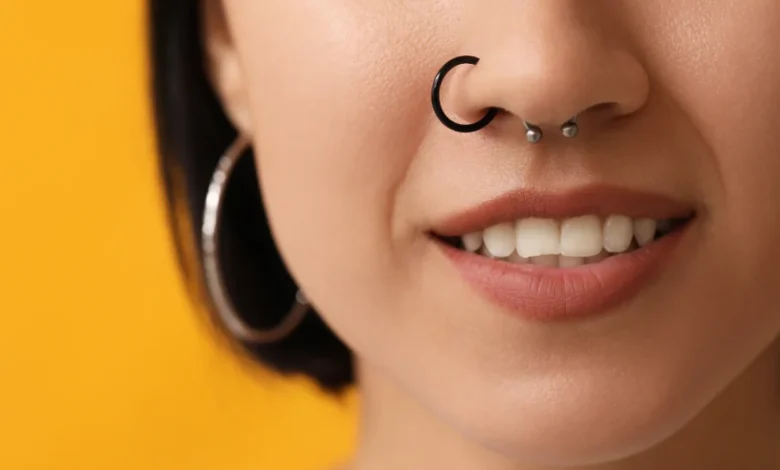
As one moves beyond the earlobe, the complexity and potential risks escalate significantly. Piercings through cartilage (such as helix, tragus, or industrial piercings), as well as those on the face (nose, eyebrow) or in the oral cavity (tongue, lip), present unique challenges. Cartilage tissue has a limited blood supply, which significantly prolongs healing times, often extending to 6-12 months or even longer. This slower healing makes cartilage piercings more susceptible to infections, which can be severe and lead to perichondritis—an infection of the cartilage that can result in permanent deformation if not treated promptly. Keloids, which are raised scars, are also a more common concern in cartilage piercings for individuals prone to them.
Facial piercings, beyond the risk of infection, carry concerns about nerve damage, particularly around the eyebrow or nose, though this is rare in the hands of a skilled professional. Oral piercings, while popular, introduce a distinct set of risks related to their environment. The mouth is a breeding ground for bacteria, increasing the likelihood of infection. Furthermore, tongue and lip piercings can lead to dental complications such as chipped teeth, gum recession, and interference with speech or eating. Jewelry in oral piercings can also cause significant damage to tooth enamel and soft tissues over time, making long-term wear a serious consideration.
Dermal Anchors: A Unique Set of Challenges
Among the various types of piercings, dermal anchors, or microdermals, stand out due to their distinct procedure and higher inherent risks. Unlike traditional piercings that pass through an exit and entry point, dermal anchors involve inserting a small, T-shaped anchor plate beneath the skin, with only a decorative top visible on the surface. Because these piercings sit superficially under the skin in areas that are frequently bumped, rubbed, or handled—such as the hands, collarbones, or neck—they carry a substantially higher risk of migration, rejection, scarring, and tissue damage than more traditional piercings.
Migration occurs when the body attempts to push the foreign object out, causing the jewelry to shift position. Rejection is a more severe form of migration where the body completely expels the anchor, often leaving a noticeable scar. The constant friction or impact in high-traffic areas can also lead to the dermal anchor tearing out, causing significant tissue damage and potential for severe scarring. Furthermore, the removal of dermal anchors is often a more involved procedure, typically requiring a small incision by a piercer or even a medical professional, further underscoring their unique risk profile and the need for careful consideration of placement and longevity.
The Critical Role of Professionalism and Aftercare
Regardless of the piercing type, the choice of piercer and adherence to aftercare protocols are paramount to minimizing risks. Professional piercers operate in sterile environments, utilizing single-use, sterile needles and high-quality, implant-grade jewelry (e.g., titanium, surgical stainless steel). They are trained in aseptic techniques, cross-contamination prevention, and emergency protocols. Organizations like the Association of Professional Piercers (APP) establish rigorous standards for safety, hygiene, and ethical practice, which consumers should seek out.
Conversely, amateur piercings or those performed in unsanitary conditions drastically elevate the risks of severe infections, bloodborne pathogens (such as Hepatitis B, C, or HIV, though this is rare in professional settings), and poorly healed results. Aftercare instructions, provided by a professional piercer, typically involve cleaning the piercing site with a sterile saline solution 1-2 times daily, avoiding touching the piercing with unwashed hands, and refraining from swimming in public waters during the initial healing phase. Any deviation from these instructions can compromise the healing process, turning a minor irritation into a serious infection. Signs of infection include excessive redness, swelling, warmth, throbbing pain, or discharge of pus, all of which warrant immediate medical attention.
Legal and Ethical Frameworks
The body piercing industry is subject to varying degrees of regulation globally. In many regions, minors require explicit parental consent for any piercing, with some jurisdictions imposing outright bans on certain types of piercings (e.g., nipple, genital) for individuals under 18 or 21, even with parental consent. These laws reflect a societal understanding of the permanence and potential health risks associated with body modification and aim to protect minors from making decisions they might later regret or that could endanger their health. Ethical piercers will always verify age and consent, prioritizing client safety and well-being above all else.
Societal Perspectives and the Evolution of Body Art
Body piercing has a rich and diverse history, dating back thousands of years across various cultures, where it served purposes ranging from spiritual rituals and tribal identification to indicators of social status or rites of passage. In contemporary Western society, piercings have evolved into a prevalent form of personal expression, identity assertion, and aesthetic enhancement. What was once considered counter-cultural has become increasingly mainstream, with a wide array of jewelry and placement options available. This increased acceptance, however, does not diminish the importance of understanding the health implications and responsibilities that accompany such modifications. Public health campaigns and educational initiatives often aim to inform both teenagers and parents about safe piercing practices, dispelling myths and promoting responsible choices.
Implications for Teens, Parents, and Public Health
The implications of teenage body piercings extend beyond the individual to families and public health at large. For teenagers, getting a piercing can be a significant step in personal autonomy and identity formation. However, it requires a mature understanding of commitment, pain management, and health responsibility. Parents play a vital role in guiding these decisions, fostering open communication, and ensuring that any chosen piercing is performed by a reputable, licensed professional under sterile conditions. For public health, promoting awareness about safe piercing practices, the risks of unsanitary procedures, and the importance of proper aftercare is crucial in preventing avoidable complications and the spread of infectious diseases. The long-term aesthetic and health outcomes are significantly influenced by these early decisions and practices, underscoring the enduring need for informed choices in the realm of body modification.
Related posts: