The Shift to Hybrid Work Sparks Innovative Meal Prep Trends Among Professionals

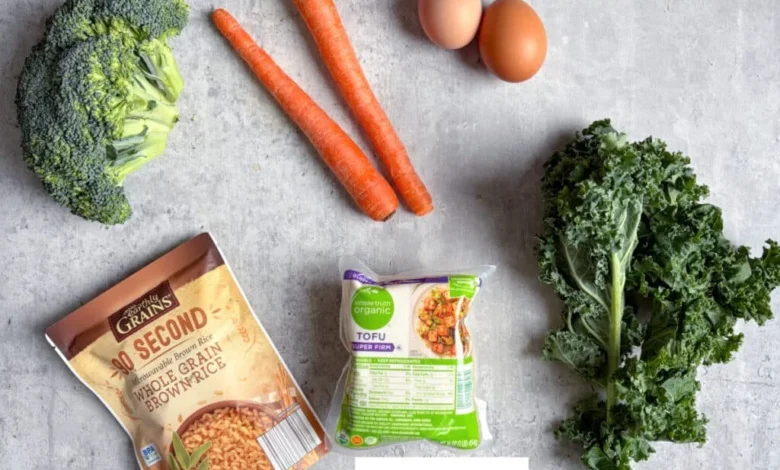
The modern workplace transition toward hybrid and in-office schedules has fundamentally altered daily routines, forcing professionals to re-evaluate habits once taken for granted while working exclusively from home. Among the most notable casualties of this return to the traditional office is the midday meal. While remote employees often graze throughout the day or casually assemble impromptu lunches from household refrigerators, the commute demands a more deliberate approach to nutrition. Registered dietitians and workplace wellness experts note that failing to plan midday meals often leads to erratic eating patterns, energy slumps during afternoon meetings, and overeating upon returning home. In response to these logistical hurdles, a growing number of corporate workers are turning to structured Sunday meal preparation, with versatile protein bowls emerging as a leading culinary solution for time-constrained professionals.
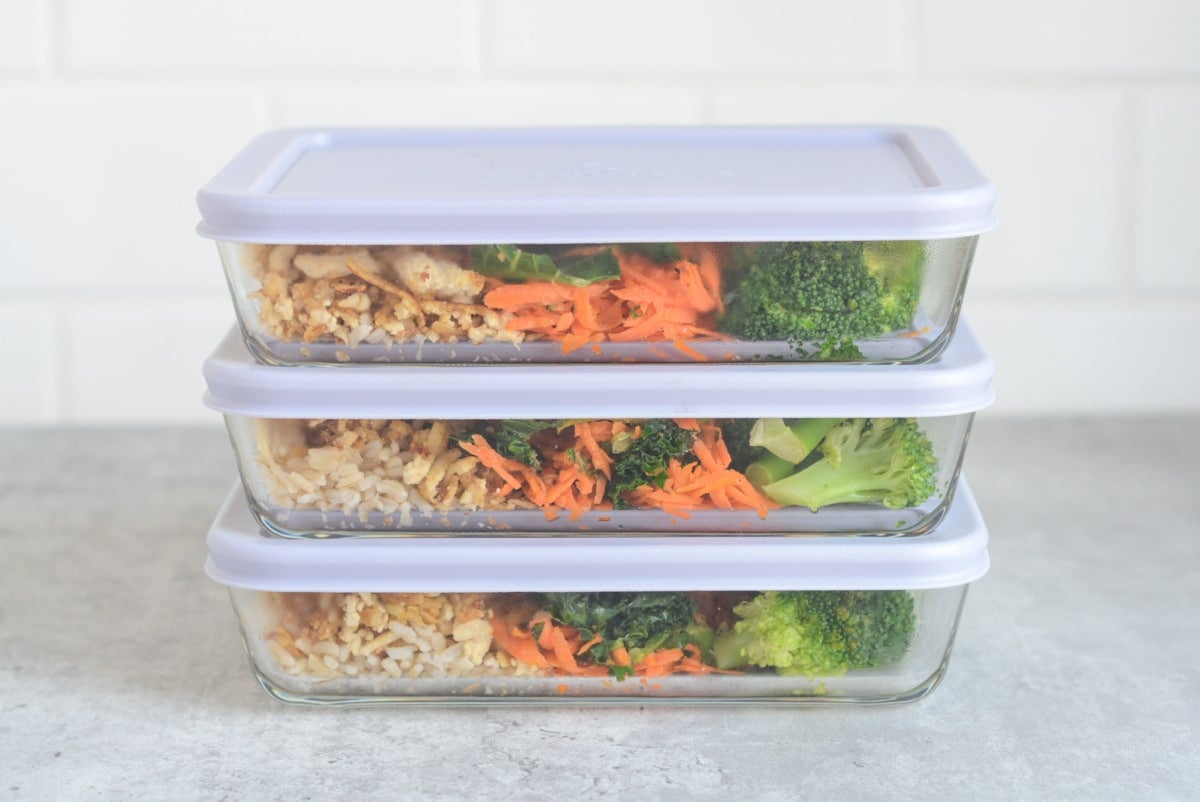
The evolution of workplace dining habits reflects broader socioeconomic shifts in post-pandemic labor markets. For years, the convenience of home kitchens allowed telecommuters to prepare fresh food on demand or abandon formal lunch schedules entirely. However, as corporate mandates increasingly require employees to report to central offices two to three days a week, workers are experiencing the friction of transition. Common grievances range from forgotten identification badges and laptops to the accidental abandonment of packed lunches on kitchen countertops. Nutritionists emphasize that bridging this gap requires systematic planning that balances nutritional adequacy with portability, cost-efficiency, and ease of preparation.
To address these nutritional challenges, wellness advocates have popularized modular meal preparation formulas that minimize cooking time while maximizing dietary intake. A primary example of this trend is the customizable protein bowl, typically structured around a reliable blueprint: a complex carbohydrate base, a robust plant- or animal-based protein source, fiber-rich vegetables, and a unifying sauce or dressing. This framework allows for endless variation based on seasonal produce, dietary restrictions, and personal preferences, making it a sustainable practice for busy professionals who might otherwise rely on expensive or nutritionally deficient takeout options.
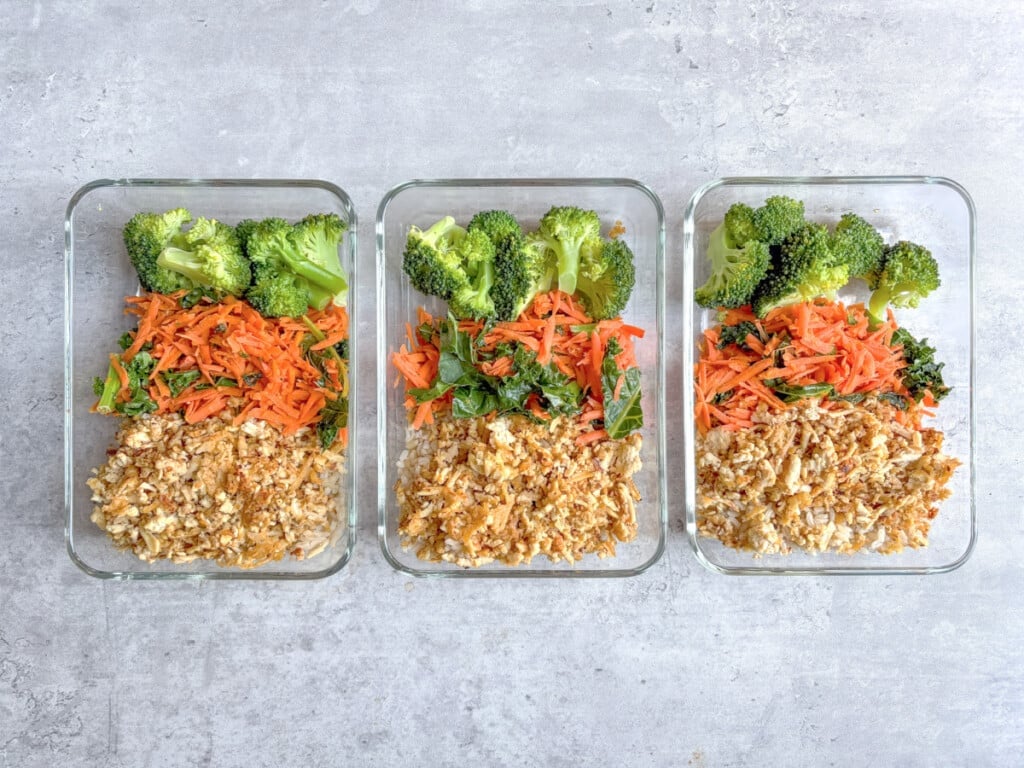
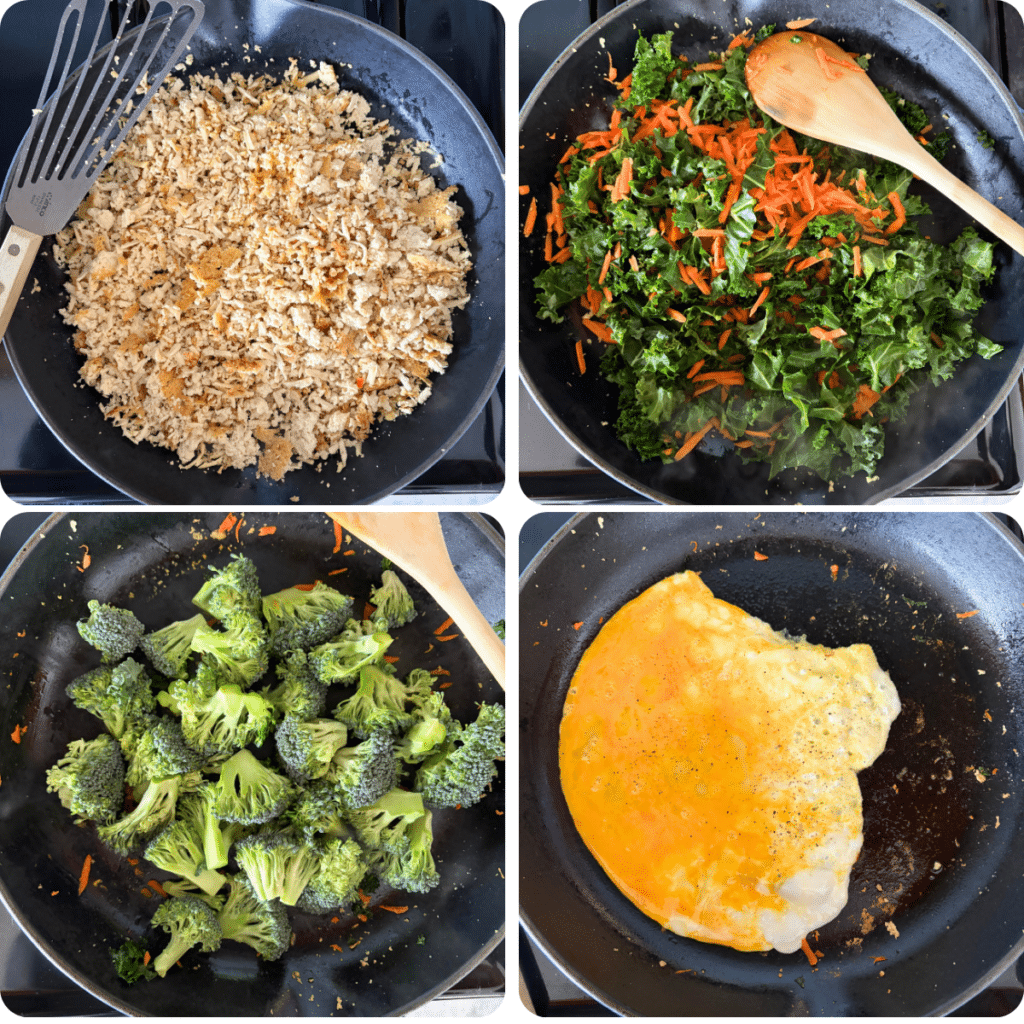
A major barrier for many individuals incorporating plant-based proteins like tofu into their meal prep has historically been texture aversion. Traditional cubed tofu, when refrigerated and subsequently reheated in a corporate microwave, can develop a spongy or rubbery consistency that discourages consumption. Culinary experts and registered dietitians have addressed this obstacle by introducing innovative preparation techniques, such as shredding tofu on a box grater before cooking. This method increases the surface area of the protein, allowing it to absorb marinades more effectively and crisp up evenly in a single skillet, thereby altering its mouthfeel and broadening its appeal to mainstream consumers.
The standard formulation for these high-protein meal prep bowls typically yields four servings designed for airtight refrigeration. Utilizing a streamlined cooking process that relies on a single large pan significantly reduces post-prep cleanup, a major deterrent for individuals hesitant to spend their weekends managing domestic chores. The baseline nutritional profile of these standard vegetarian bowls averages approximately 444 calories per serving, featuring 22 grams of total fat (primarily unsaturated), 49 grams of carbohydrates, 11 grams of dietary fiber, and 17 grams of protein. Furthermore, the inclusion of whole-food ingredients ensures a micronutrient density that supports sustained cognitive function throughout the workday.
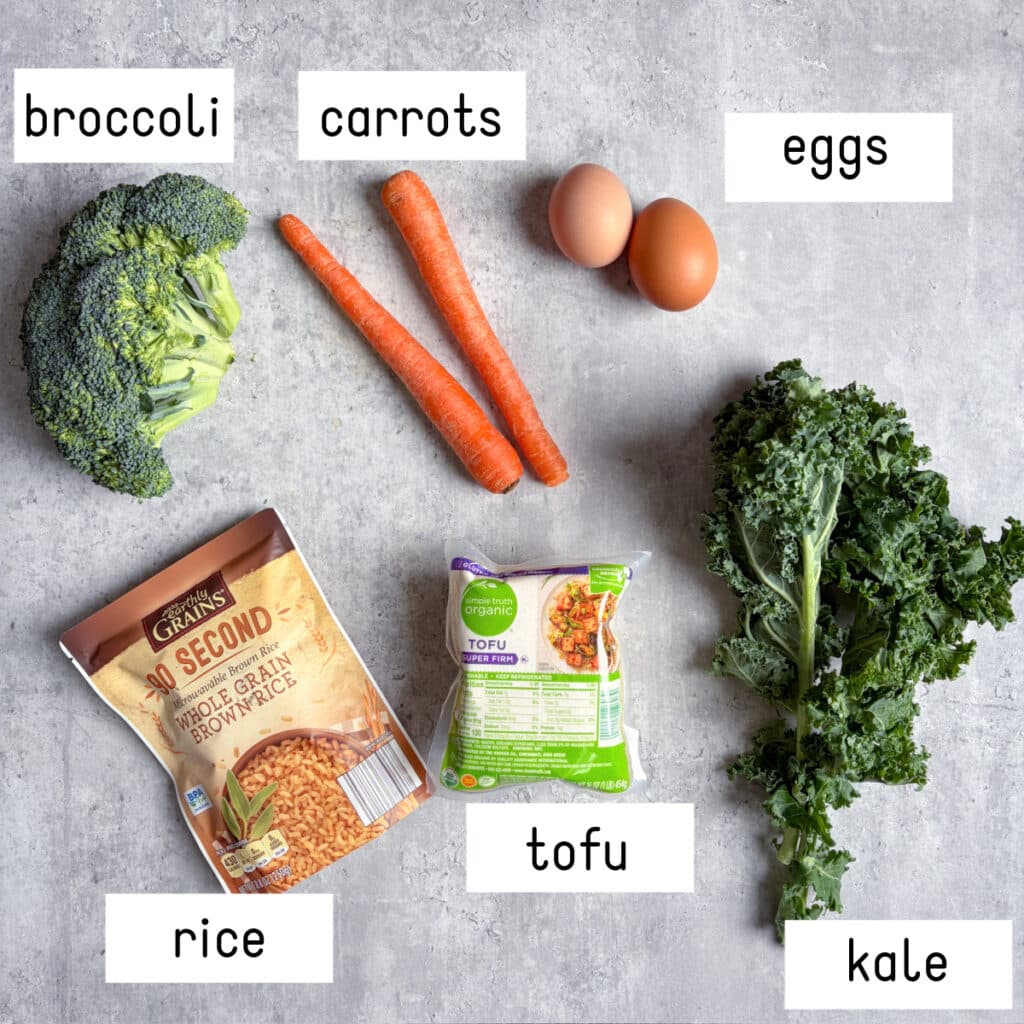
For professionals seeking to elevate the macronutrient profile of these meals, registered dietitians recommend several strategic adjustments. Individuals requiring higher protein intake to support athletic recovery or prolonged satiety can easily integrate supplementary protein sources. Options such as incorporating shelled edamame, adding diced chicken breast, folding in rinsed chickpeas, or topping the finished bowl with a fried or soft-boiled egg can elevate the protein content well beyond the baseline figures without significantly complicating the preparation process.
Logistical considerations play a critical role in the viability of meal-prepped lunches within a corporate environment. Food safety guidelines established by public health agencies dictate that perishable meals stored in airtight containers must be consumed within three to five days when maintained at proper refrigeration temperatures. When reheating meals in shared office facilities, specialists advise removing secure lids, covering the container with a paper towel to retain moisture and prevent splatters, and heating the contents thoroughly for one to two minutes, pausing to stir midway to ensure even temperature distribution. Draining or side-packing sauces separately until the point of consumption further preserves the textural integrity of delicate vegetables and starches.
The broader implications of this micro-trend extend into discussions surrounding employee wellness, financial literacy, and corporate culture. Workplace wellness coordinators point out that bringing a nutritionally balanced lunch from home not only stabilizes blood sugar and enhances afternoon productivity but also yields substantial financial savings compared to daily fast-casual dining. In an economic climate marked by persistent inflation in the food service sector, meal preparation has transformed from a domestic chore into a pragmatic financial strategy for the modern workforce.
As hybrid work arrangements solidify as a permanent fixture of the contemporary economy, the domestic habits of professionals will continue to evolve in tandem. The resurgence of structured meal preparation underscores a collective desire to maintain personal health and routine stability amidst external disruptions. Whether through innovative cooking techniques that render plant-based proteins more palatable or the simple discipline of packing a Sunday-prepped lunch alongside a work laptop and a weather-appropriate cardigan, modern professionals are actively engineering solutions to navigate the complexities of the modern work-life balance.
Related posts: