Summer Meal Planning: A Look at a Week’s Culinary Strategy Amidst Outdoor Activities

As the summer season continues to unfold, families are prioritizing outdoor recreation and leisure, often leading to a need for streamlined and efficient meal preparation. This week’s meal plan, as outlined by culinary resource Weelicious, highlights a strategy that balances home-cooked meals with convenient takeout options, reflecting a common approach for households seeking to maximize their enjoyment of warmer weather. The focus on quick-to-prepare dishes and the integration of dining out underscore a broader trend in contemporary family life where time management and culinary flexibility are paramount.
Strategic Meal Planning for Summer Leisure
The current week’s culinary agenda, as presented by Weelicious, demonstrates a thoughtful approach to balancing home-cooked meals with the desire for relaxation and outdoor engagement. The core philosophy appears to be one of efficiency and enjoyment, ensuring that meal preparation does not detract from summer activities such as spending time outdoors and by the pool. This approach is particularly relevant during the summer months when schedules can be more fluid and opportunities for leisure are abundant.
Thursday: A Quick Culinary Journey with Moo Shu Chicken
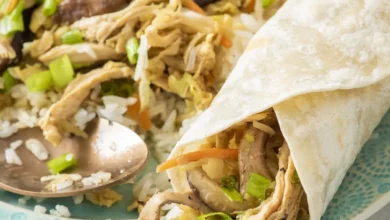
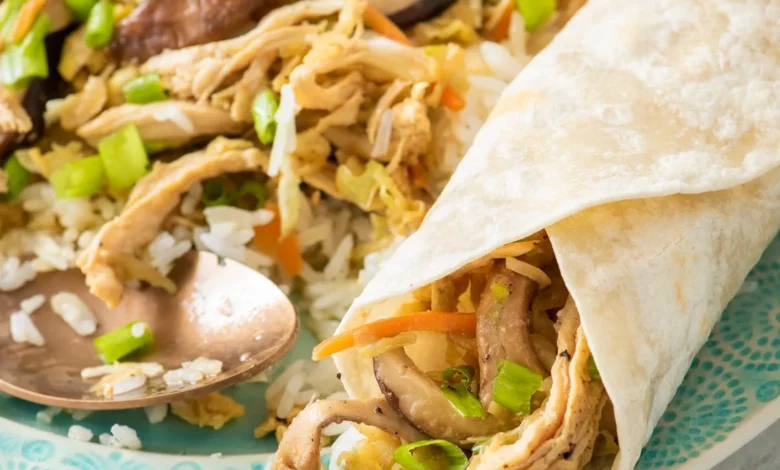
A cornerstone of this week’s plan is the inclusion of Moo Shu Chicken, a dish lauded for its rapid preparation time. Served over steamed white rice, this recipe offers a flavorful and satisfying meal that can be assembled quickly, a critical factor for busy families. The appeal of Moo Shu Chicken lies in its ability to deliver a restaurant-quality experience with significantly less time investment than many other dishes. This aligns with the growing demand for recipes that are both healthy and convenient, catering to the modern family’s often-packed schedules.
Moo Shu Chicken, a traditional Chinese dish, typically features shredded pork or chicken stir-fried with vegetables like cabbage, mushrooms, and wood ear fungus, often seasoned with hoisin sauce, soy sauce, and sesame oil. It is traditionally served with thin, unleavened pancakes (mandarin pancakes) and a dollop of hoisin sauce. The efficiency of this dish stems from the relatively short cooking time for stir-fries and the ability to prepare many of the ingredients in advance, such as shredding the chicken and chopping the vegetables.
The emphasis on speed in this meal choice is indicative of a broader trend in home cooking. According to a 2022 report by the Food Marketing Institute, convenience remains a top priority for consumers, with 40% of shoppers indicating that they are willing to pay more for meals that require less preparation time. This statistic underscores the practical appeal of recipes like Moo Shu Chicken, which deliver on both taste and time efficiency.
Saturday: Embracing Local Culinary Delights
In a testament to the value placed on relaxation and local engagement, Saturday’s meal plan designates "Order in from local restaurant." This choice reflects a strategic decision to delegate the culinary responsibility for one meal, allowing family members to fully embrace leisure activities or simply enjoy a break from cooking. The act of ordering from local establishments also serves to support the regional economy and explore the diverse culinary landscape available within the community.

The practice of ordering takeout or delivery has seen a significant surge in recent years. Data from Statista indicates that the global online food delivery market was valued at over $150 billion in 2022 and is projected to continue its upward trajectory. This growth is driven by factors such as increased smartphone penetration, the convenience of online ordering platforms, and a growing consumer appetite for diverse and readily available food options. For families, this means that enjoying a meal from a favorite local eatery is more accessible than ever, freeing up valuable time that would otherwise be spent preparing and cleaning up after a home-cooked meal.
This approach acknowledges that meal planning is not solely about home-cooked meals but also about strategically incorporating external dining options to enhance overall lifestyle. It allows for flexibility and the enjoyment of different culinary experiences without the burden of preparation.
The Philosophy Behind the Plan: Catherine’s Approach
The author behind this meal plan, Catherine, is a mother of three whose culinary philosophy is rooted in the belief that all children can become great eaters and that mealtime should be uncomplicated. Her background as a "Kentucky girl living in California" suggests a blend of traditional and contemporary influences in her approach to food. Her focus on creating "simple, healthy recipes the whole family will love" resonates with a significant segment of the population seeking practical solutions for feeding their families.
Catherine’s emphasis on simplicity and family appeal is a common thread in successful home cooking. In a 2023 survey by the American Farm Bureau Foundation for Agriculture, 87% of consumers reported that they enjoy cooking at home, but many also expressed a desire for recipes that are easy to prepare and do not require extensive ingredient lists. Catherine’s work directly addresses this need, offering accessible recipes that can be integrated into busy family lives.
Her philosophy of fostering healthy eating habits from a young age is also crucial. According to the Centers for Disease Control and Prevention (CDC), establishing healthy eating patterns in childhood is vital for preventing chronic diseases later in life. By offering recipes that are both appealing to children and nutritionally sound, Catherine aims to contribute to the long-term well-being of families.
Broader Implications: Time, Convenience, and Family Life
The presented meal plan, while specific to one week, reflects broader societal trends and the evolving dynamics of family life. The increasing prioritization of leisure time, coupled with the demand for convenience, has significantly influenced how families approach meal preparation. The integration of quick home-cooked meals with the option of ordering in signifies a pragmatic adaptation to the demands of modern living.
The rise of meal kit services, the proliferation of convenient pre-prepared foods in grocery stores, and the ease of online food ordering are all indicators of this shift. These options provide families with greater flexibility, allowing them to allocate their time and energy towards other pursuits, whether it be professional development, personal hobbies, or simply quality time spent together.
Furthermore, this approach to meal planning can have a positive impact on family dynamics. By reducing the stress associated with daily meal preparation, parents may have more energy and patience to engage with their children. The inclusion of takeout also offers opportunities for families to experience different culinary traditions and support local businesses, fostering a sense of community and shared experience.
In conclusion, this week’s meal plan, as exemplified by the inclusion of a quick Moo Shu Chicken recipe and a designated "order in" day, showcases a strategic and family-centric approach to summer dining. It highlights the ongoing quest for culinary solutions that balance health, taste, and the invaluable commodity of time, enabling families to fully embrace the joys of the summer season.