The Ultimate Dietitian-Approved Guide to Stocking Your First College Apartment Kitchen

Transitioning from a tightly managed university residence hall to an off-campus apartment represents a major developmental milestone in a young adult’s life. Gone are the days of mandatory meal plan swipes, restrictive dormitory hours, and shared communal restrooms. However, the newfound independence of lease agreements and utility bills quickly collides with a stark daily reality: the responsibility of self-sustained nutrition. For incoming college students, the initial grocery run can induce a mixture of adrenaline and intimidation. Simultaneously, parents frequently harbor anxieties that their children will default to a restrictive diet dominated by instant ramen noodles and caffeinated energy drinks in the absence of institutional dining halls.
Despite these common apprehensions, culinary self-sufficiency in a student rental does not necessitate a professional-grade culinary setup or an extravagant budget. Rather, successful apartment living relies on a strategic inventory of foundational kitchen equipment, resilient pantry ingredients, and efficient meal planning. Public health and nutrition experts emphasize that equipping a student kitchen is an incremental process. By focusing on versatile staples and avoiding superfluous gadgets, students can establish sustainable eating habits that support cognitive performance, physical health, and financial well-being throughout the academic year.
The Evolution of Student Nutrition: From Dorms to Apartments
The shift from campus dining to independent apartment cooking typically occurs during a student’s junior or senior year, though rising housing costs and changing university policies have pushed younger demographics into off-campus housing earlier than in previous decades. Historically, campus meal plans served as the primary nutritional safety net for undergraduates. Yet, escalating tuition and meal plan costs have driven many families to seek more economical housing and dining alternatives.
Nutritional sociologists note that the transition to an apartment kitchen marks a critical window for habit formation. Students who successfully navigate this period often develop lifelong competencies in meal preparation, financial literacy, and time management. Conversely, those who fail to establish a baseline kitchen inventory frequently fall into patterns of chronic fast-food consumption and erratic eating schedules, which academic studies consistently link to decreased academic retention, fatigue, and weight fluctuation.
Recent data from consumer expenditure surveys indicate that food represents the third-largest expense for college students living off-campus, trailing only rent and tuition-related costs. With grocery inflation posing ongoing challenges for household budgets, strategic purchasing and waste reduction have transformed from desirable skills into financial necessities for the modern undergraduate.
Essential Kitchen Equipment: What to Buy and What to Skip
Outfitting a first apartment kitchen frequently leads to overspending on specialized gadgets that ultimately gather dust in cramped cabinets. Dietitians and professional home economists advocate for a minimalist approach, concentrating strictly on multi-use tools that perform a high volume of culinary tasks.
The Core Essentials
A functional student kitchen requires a tightly curated collection of cookware and utensils. At the top of the priority list is a high-quality chef’s knife, which serves as the primary tool for food preparation. Paired with a durable, non-porous cutting board, a reliable knife drastically reduces prep time and minimizes kitchen accidents.
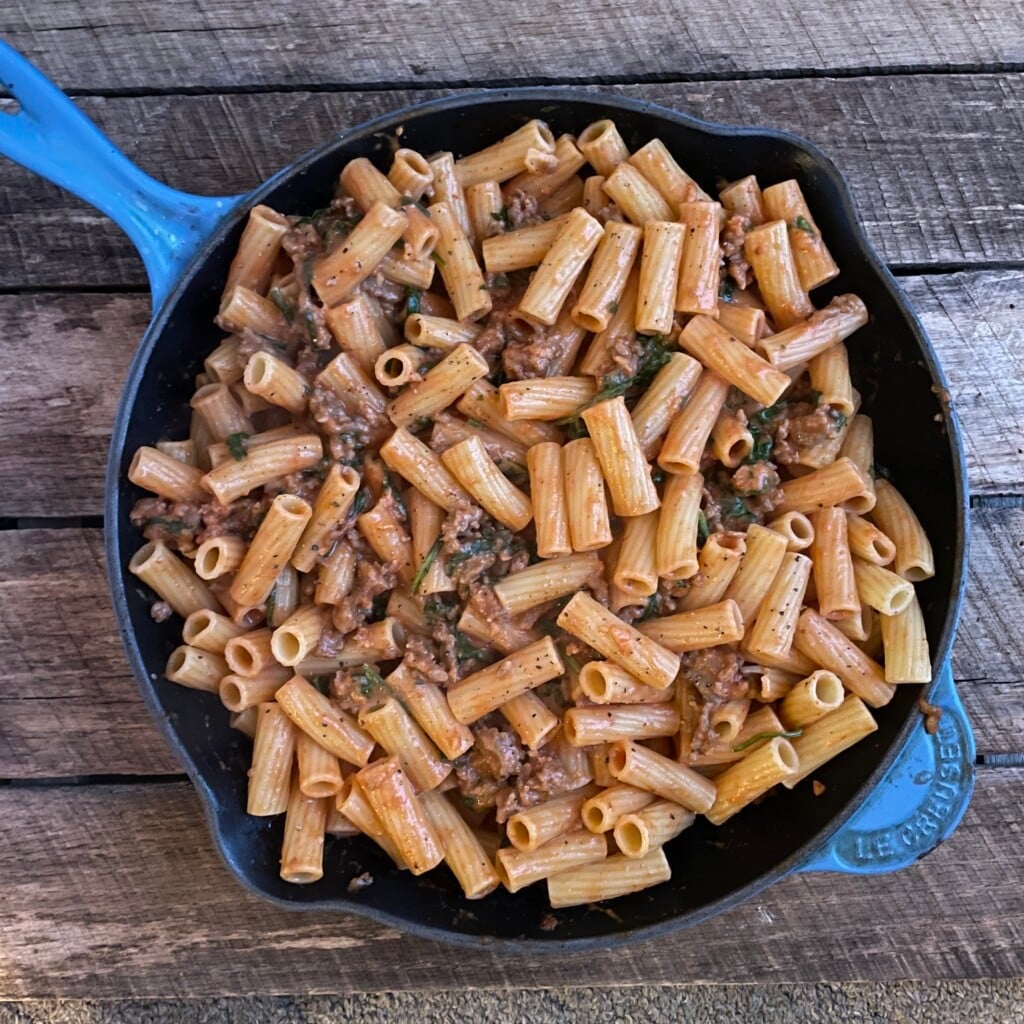
For cooking vessels, a medium-sized skillet—preferably stainless steel or cast iron—and a versatile two-to-three-quart saucepan with a lid form the backbone of stovetop cooking. These two items can accommodate everything from scrambled eggs and sautéed vegetables to boiled pasta and simmered grains. Essential utensils include a flexible spatula for flipping, a wooden spoon for stirring, a set of metal tongs for handling proteins, and a reliable can opener.
Moderate Investments and Nice-to-Haves
Depending on individual cooking preferences, certain items occupy a middle tier of usefulness. A quarter-sheet or half-sheet baking pan is indispensable for roasting vegetables, baking chicken breasts, or reheating frozen convenience foods. Colanders for draining pasta, measuring cups and spoons for following recipes, and a basic set of food storage containers round out this category. Food storage containers are particularly critical, as they enable batch cooking and ensure that leftovers are safely preserved for subsequent meals.
Optional convenience items, such as a compact digital food scale or an electric kettle, can streamline the cooking process but are by no means mandatory for basic survival.
Equipment to Avoid
To protect limited counter space and tight budgets, students are advised to bypass single-use appliances. Gadgets such as specialized quesadilla makers, electric fondue pots, heavy-duty stand mixers, and decorative barware rarely justify their financial cost or the storage footprint they occupy in small apartment kitchens. Furthermore, students should exercise caution regarding public health advisories; for instance, food safety authorities frequently update handling guidelines for pre-washed bagged greens and other produce items in response to localized pathogen outbreaks, reinforcing the importance of basic food hygiene tools like colanders and vegetable brushes.
Structuring the Budget-Friendly Pantry
The foundation of any efficient kitchen is a well-stocked pantry. Shelf-stable ingredients provide a reliable safety net, allowing students to throw together a nutritious meal on nights when studying precludes a trip to the supermarket. Experts recommend building the pantry gradually, prioritizing items that feature long shelf lives and cross-recipe versatility.
Grains and Carbohydrates
Complex carbohydrates serve as inexpensive, calorie-dense energy sources that sustain cognitive focus during long lectures and late-night study sessions. Essential dry goods include:
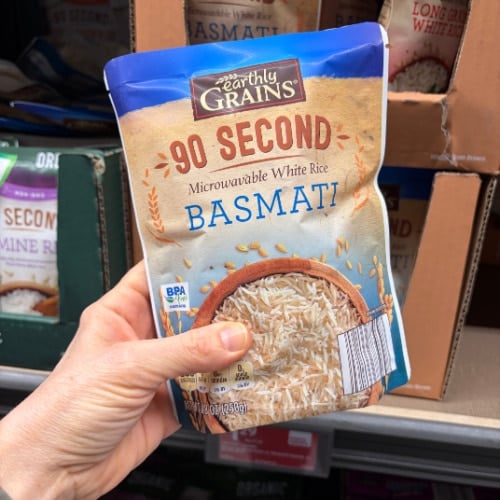
- Long-grain or jasmine rice
- Rolled oats for breakfast porridge or baking
- Pasta varieties such as penne, spaghetti, or macaroni
- Whole-grain or sourdough bread suitable for freezing
- Tortillas or flatbreads
Shelf-Stable Proteins
Protein is vital for satiety and muscle maintenance. Because fresh meats can strain a student budget and spoil quickly, shelf-stable proteins offer an economical and practical alternative:
- Canned black beans, chickpeas, and kidney beans
- Canned tuna, salmon, or chicken
- Dried lentils and split peas
- Peanut butter, almond butter, or alternative seed spreads
Produce with Extended Longevity
While fresh berries and delicate leafy greens have a notoriously short shelf life in shared refrigerators, several produce items withstand weeks of storage in a cool, dark cupboard or pantry:

- Yellow and red onions
- Whole heads of garlic
- Russet, sweet, or Yukon gold potatoes
- Carrots and celery
- Apples and citrus fruits (lemons, limes, and oranges)
Oils, Sauces, and Flavor Enhancers
A bland meal can quickly derail a student’s motivation to cook. Stocking foundational flavor agents transforms basic ingredients into satisfying dishes:
- Extra virgin olive oil or canola oil for cooking and dressing
- Vinegar (apple cider, balsamic, or white wine) for acidity
- Soy sauce or tamari for depth of flavor
- Low-sodium chicken or vegetable broth
- Tomato paste and canned crushed tomatoes
- Condiments such as hot sauce, mustard, and salsa
Spices and Baking Basics
Rather than purchasing an entire spice rack at once, students should acquire spices incrementally based on the recipes they intend to prepare. Universal staples include kosher salt, black peppercorns, garlic powder, onion powder, ground cumin, chili powder, and dried oregano. Basic baking essentials—such as all-purpose flour, granulated sugar, baking powder, and honey—round out the dry storage inventory.
Managing the Refrigerator and Freezer
Refrigerated and frozen goods require active management to minimize food waste and prevent spoilage. In shared apartments, refrigerator real estate is often contested territory among roommates, making organizational efficiency paramount.
Refrigerator Essentials
Perishable items should be selected based on their versatility across multiple meals. Core refrigerator staples include:

- Eggs, which provide a rapid, high-protein meal foundation for breakfast, lunch, or dinner
- Milk or plant-based beverage alternatives
- Plain Greek yogurt or regular yogurt for breakfast bowls and sauces
- Hard or semi-hard cheeses like cheddar, parmesan, or feta, which resist molding better than soft cheeses
- Tofu or tempeh for plant-based protein options
- Condiments, butter, and perishable produce that requires cold storage (such as bell peppers, zucchini, and robust greens like kale)
Freezer Assets
The freezer is an undergraduate’s most powerful tool against food waste and time scarcity. Properly stored frozen goods retain their nutritional value and remain safe for months. Recommended freezer inventory includes:
- Frozen vegetables (broccoli florets, mixed peas and carrots, spinach) for rapid nutrient incorporation into soups and stir-fries
- Frozen berries for smoothies and oatmeal toppings
- Frozen edamame for a quick, microwaveable protein source
- Pre-portioned cooked grains or proteins prepared during weekend batch-cooking sessions
Implications for Academic Performance and Health
Nutritionists, academic advisors, and student wellness coordinators increasingly recognize the direct correlation between dietary quality and academic performance. Deficiencies in essential vitamins, iron, and sustained macronutrients are frequently associated with cognitive fatigue, poor concentration, and lowered immune function during high-stress examination periods.
By transitioning away from heavily processed convenience foods and mastering the basics of apartment cooking, students cultivate a sense of autonomy and self-efficacy. Dietitian-moms and campus health advocates emphasize that cooking does not need to be complex to be effective. Simple culinary formulations—such as grain bowls featuring canned beans and roasted vegetables, sheet-pan chicken with root vegetables, or quick lentil soups—provide the necessary nutritional density without demanding extensive time commitments.
Ultimately, stocking a college apartment kitchen is less about curating an aesthetically pleasing pantry and more about establishing an accessible, resilient system for self-care. With a minimalist collection of equipment, a thoughtfully built inventory of shelf-stable and perishable goods, and realistic meal expectations, students can successfully navigate their first foray into independent living, ensuring that their nutritional needs are met long after the university dining hall doors have closed.
Related posts: