The Ultimate Guide to Crafting Healthy, Kid-Friendly After-School Snack Crackers Without the Fuss

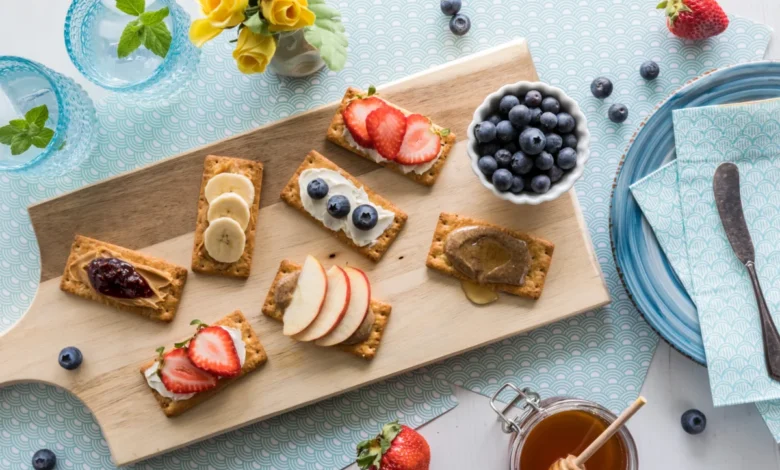
The transition from the structured environment of the school day to the unstructured hours of the late afternoon is a notoriously delicate phase for families. Pediatric nutritionists and child psychologists frequently cite the hours between 3:00 PM and 6:00 PM as a peak window for cognitive fatigue and blood sugar dips in school-aged children. During this period, children often experience what parents colloquially refer to as the "after-school witching hour"—a state characterized by irritability, plummeting energy levels, and ravenous hunger. Navigating this window presents a persistent culinary challenge: parents must provide enough caloric and nutritional sustenance to stave off meltdowns without inadvertently ruining their children’s appetites for the evening meal.
Historically, household pantry staples during this time have leaned toward heavily processed, shelf-stable convenience foods—packaged cookies, potato chips, and sugary fruit snacks. While these items offer undeniable ease, public health data paints a concerning picture of their long-term nutritional impact. According to recent dietary surveys from health agencies, excess consumption of ultra-processed snacks during childhood correlates with rising rates of pediatric obesity and metabolic complications. Consequently, a quiet revolution is underway in domestic kitchens across the country. Modern parents are shifting away from pre-packaged, high-sugar commodities and seeking out low-prep, whole-food alternatives that balance macronutrients—combining complex carbohydrates, healthy fats, and lean proteins—without demanding extensive culinary labor or lengthy preparation times.
Enter the concept of customizable, assembly-only snack architectures, most notably exemplified by the rising trend of upgraded
graham cracker bites. By reframing a familiar, mildly sweet pantry staple as a nutrient-dense blank canvas, caregivers can deliver a balanced snack that bridges the gap between culinary play and nutritional efficacy. This approach not only solves the late-afternoon hunger crisis but also empowers children to exercise autonomy over their food choices, fostering a positive psychological relationship with eating that nutrition experts heavily endorse.
Anatomy of a Balanced After-School Snack: Nutritional Framework
From a dietary perspective, the ideal afternoon snack should perform a specific metabolic function: gently elevate blood glucose levels using sustained-release carbohydrates while delivering protein and fats to prolong satiety. Traditional carbohydrate-only snacks—such as plain crackers or pretzels—cause a rapid spike and subsequent crash in blood sugar, frequently culminating in renewed hunger and crankiness within an hour.
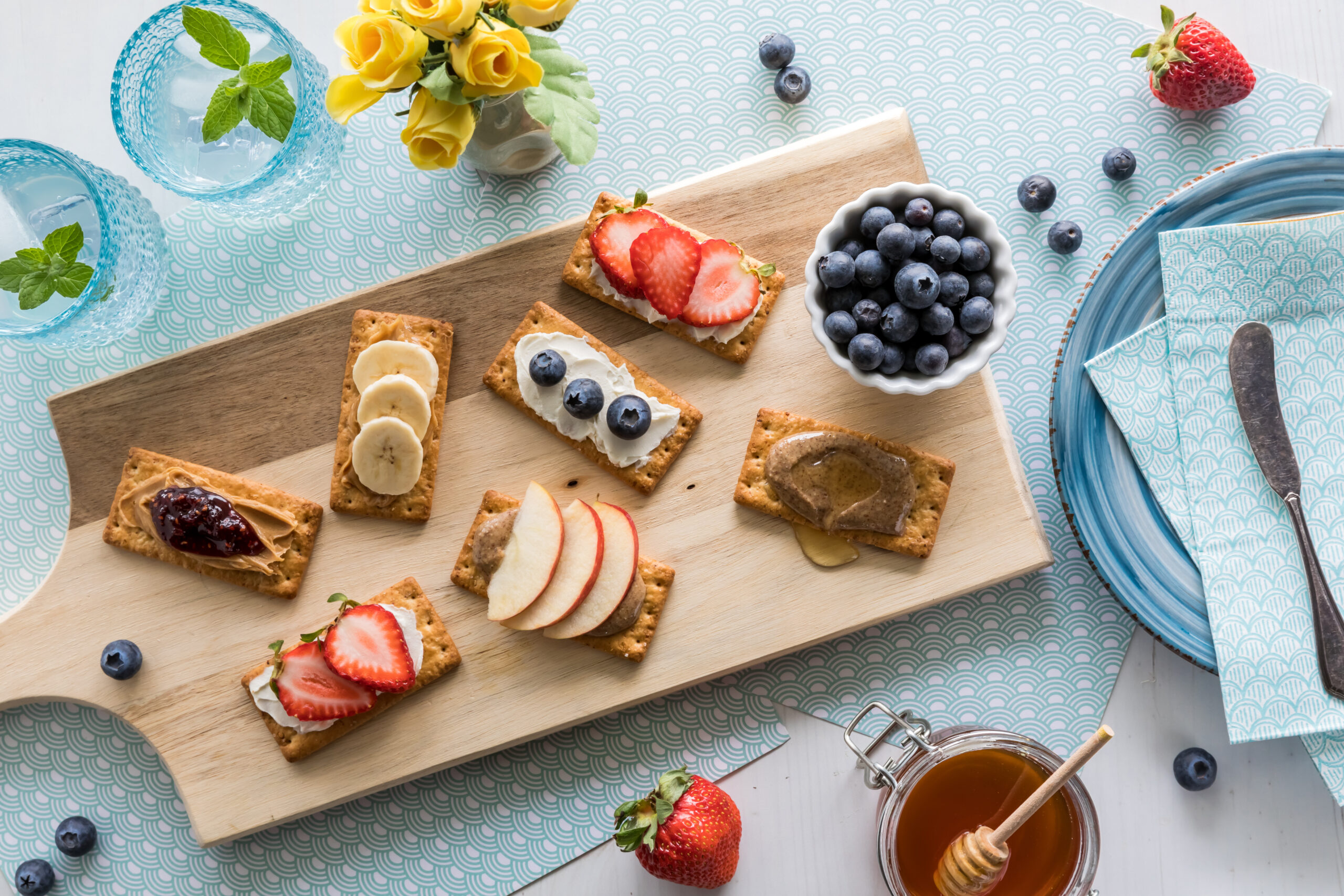
The strategy behind upgraded graham cracker snacks rests on strategic food pairing. A standard whole-grain or honey graham cracker serves as the foundational base, offering easily digestible carbohydrates for an immediate cognitive boost following a long day of classroom learning. However, the true nutritional heavy lifting is accomplished by the toppings. Spreads such as natural peanut butter, almond butter, or light cream cheese introduce essential fatty acids and sustained-release proteins. These macronutrients slow down gastric emptying, ensuring that the energy derived from the snack is metabolized gradually rather than instantaneously.
Furthermore, incorporating fresh fruits—such as bananas, apples, strawberries, and blueberries—infuses the snack with vital micronutrients, dietary fiber, and natural hydration. For instance, bananas contribute potassium and vitamin B6, which support nervous system function, while berries and apples supply a robust array of antioxidants and vitamin C. By deliberately combining these elements, caregivers transform a nostalgic childhood treat into a nutritionally sound mini-meal that satisfies both pediatric cravings and parental nutritional standards.
The Psychology of Kid-Involvement: Fostering Culinary Independence
Child development specialists emphasize that involving children in the preparation of their own meals yields significant behavioral and psychological dividends. When children participate in the assembly of their food, they exhibit a higher rate of acceptance toward new flavors and textures, a phenomenon known in dietary research as the "ownership effect."
The format of a self-serve snack board directly capitalizes on this principle. By laying out an assortment of pre-portioned ingredients—sturdy graham cracker squares, bowls of sliced fruit, various nut and seed butters, and spreadable cheeses—parents shift their role from gatekeeper to facilitator. Instead of dictating what must be eaten, adults allow children to act as the architects of their own plates. This autonomy reduces power struggles at the snack table and encourages mindful eating, as children must actively consider flavor combinations and portion sizes.
In educational and clinical settings, food assembly activities are frequently utilized to build fine motor skills in younger children. Tasks such as spreading almond butter with a butter knife or carefully balancing a thin slice of apple atop a square require hand-eye coordination, spatial awareness, and manual dexterity. Thus, an activity that takes mere minutes to set up doubles as an occupational exercise in practical life skills.
A Comprehensive Menu of Flavor Profiles and Combinations
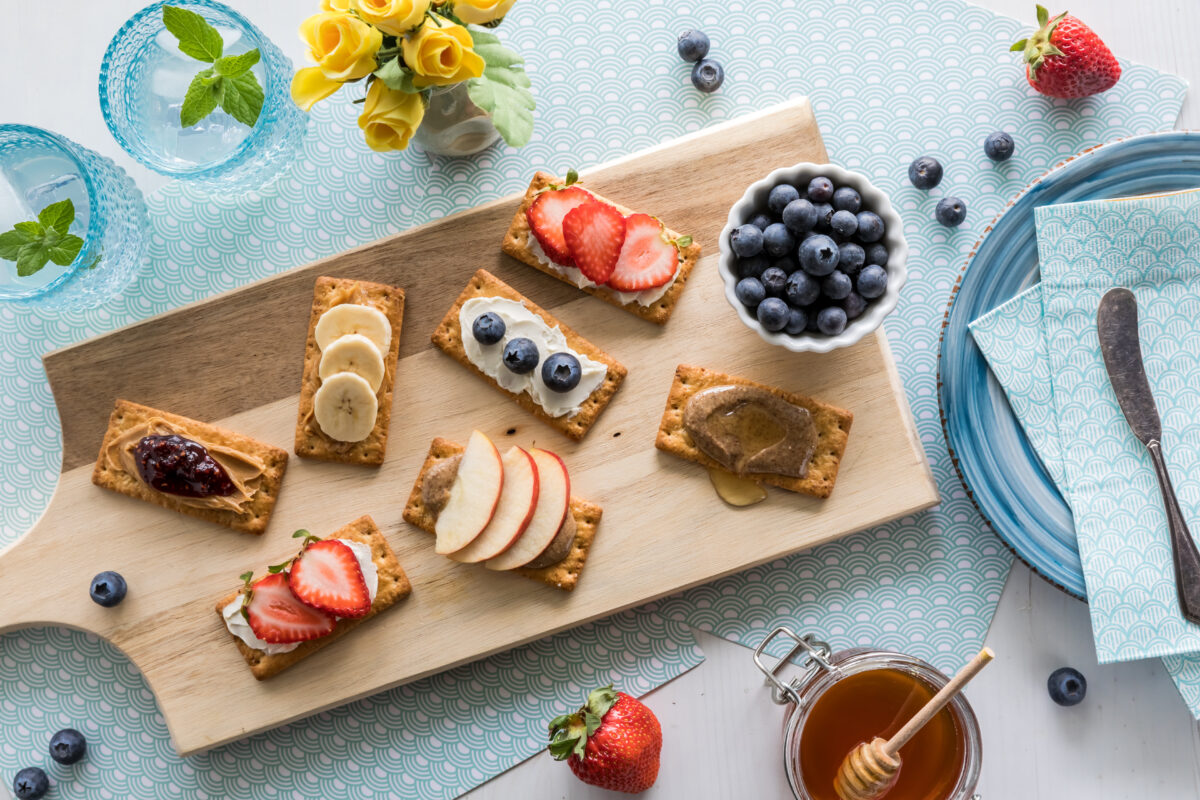
The versatility of the graham cracker base lies in its neutral, subtly sweet flavor profile, which accommodates both savory-leaning spreads and intensely fruity toppings. Culinary experts have categorized several standout flavor pairings that balance taste, texture, and nutritional value, ensuring that even the most selective eaters can find a configuration to suit their palate.
The Classic Peanut Butter and Banana Pairing
Peanut butter remains a staple of American households due to its rich, satisfying flavor and high protein density. When paired with sliced bananas, it creates a texture-rich bite that mimics the comfort of traditional baked goods while delivering significant nutritional value. To elevate this classic combination, culinary variations can include a light dusting of cinnamon for anti-inflammatory benefits or a scattering of unsweetened coconut flakes for added texture. For households managing nut allergies, sun-butter (made from sunflower seeds) serves as an identical, allergen-free substitute that maintains the same creamy mouthfeel and protein profile.
The Peanut Butter and Jam Reimagining
For children who harbor an affinity for traditional peanut butter and jelly sandwiches, this variation offers a delightful textural contrast. By replacing soft sandwich bread with a crunchy graham cracker base, the snack gains a satisfying crunch. Pediatric nutritionists recommend pairing natural peanut butter with low-sugar or all-fruit preserves to minimize the intake of refined sugars while preserving the nostalgic flavor profile that children adore.
Almond Butter and Crisp Apple Slices
Almond butter introduces a subtly nutty, earthy flavor that pairs exceptionally well with the bright, crisp acidity of fresh apples. To optimize this combination for younger children, apples should be sliced paper-thin so they remain structurally stable on the cracker and easy to bite through. Recommended apple varieties include Honeycrisp, Gala, or Granny Smith, depending on whether the child prefers a sweet or tart flavor profile. A final whisper of ground cinnamon ties the flavor elements together, evoking the familiar taste of baked apple pie.
Almond Butter and Honey Infusion
For a slightly sweeter variation that still avoids processed confectionery, a thin smear of almond butter topped with a micro-drizzle of raw honey provides an elegant yet accessible flavor profile. This combination can be further enhanced by pressing a few chia seeds or hemp hearts into the honey, subtly boosting the snack’s omega-3 fatty acid content without altering the overall taste.
Cream Cheese and Fresh Blueberry Medley
Moving away from nut-based spreads, light cream cheese offers a smooth, tangy canvas that contrasts sharply with the sweet-tart pop of fresh blueberries. To make this combination particularly appealing to children, caregivers can whip a small amount of maple syrup directly into the cream cheese prior to assembly. The antioxidant-rich blueberries not only provide a vibrant splash of color but also contribute dietary fiber and essential vitamins.
Cream Cheese and Strawberry Cheesecake Bites
Sliced fresh strawberries layered over a spread of cream cheese yield a flavor profile remarkably reminiscent of miniature strawberry cheesecakes. To complete the illusion, a light dusting of crushed graham cracker crumbs can be sprinkled over the top. This particular iteration is frequently utilized at children’s birthday parties and playdates, as its visual appeal rivals that of traditional baked desserts while maintaining a significantly lower sugar and higher fruit content.
Logistical Execution: Setting Up the Ultimate After-School Snack Board
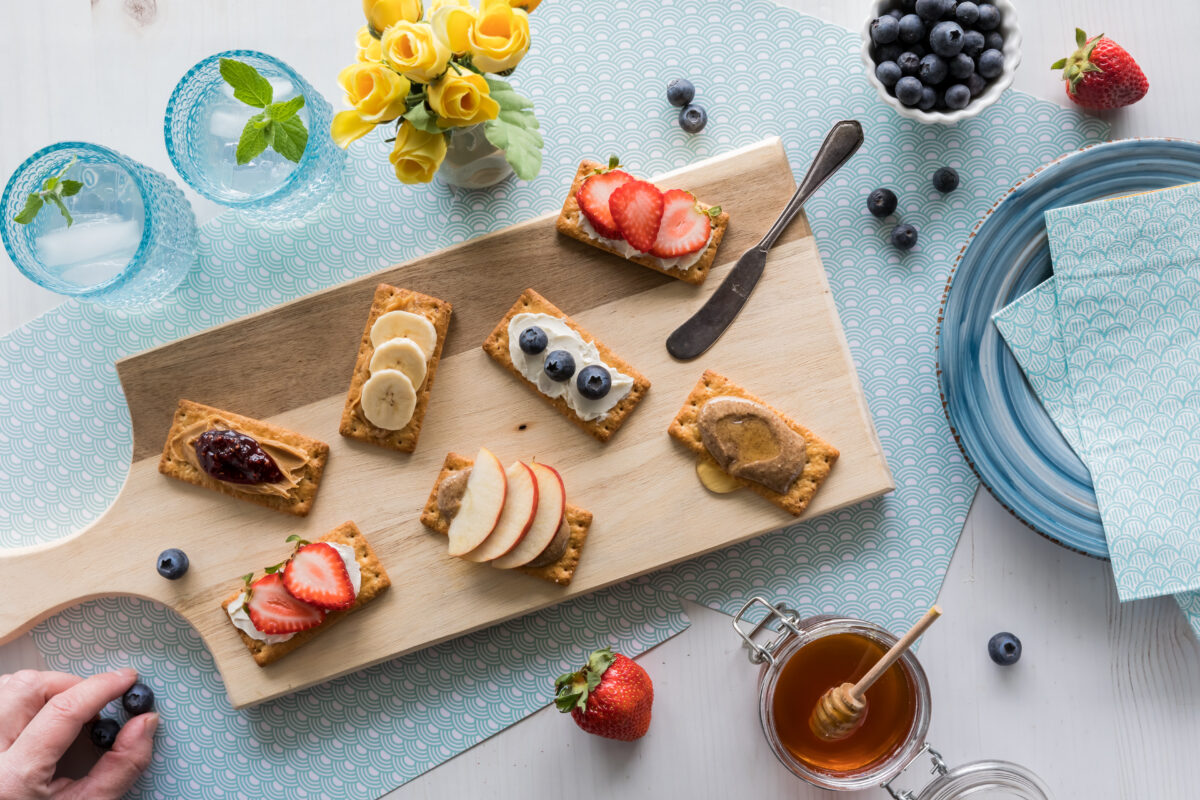
Translating these concepts into a seamless afternoon routine requires minimal logistical preparation. The most efficient method for busy households is the construction of an "after-school snack board"—a culinary presentation strategy borrowed from the professional catering world and adapted for domestic utility.
To execute this effectively, parents should follow a structured four-step approach:
- The Foundation: Select sturdy, whole graham cracker sheets. Avoid thin or excessively crumbly varieties, and break the sheets into uniform squares beforehand to prevent structural failure when spreads are applied.
- The Spreads: Provide two or three primary spreadable bases, housed in small, accessible bowls with dedicated spreading knives or spoons. Options should typically include at least one nut butter (or nut-free alternative) and one dairy-based spread (such as cream cheese or whipped ricotta).
- The Produce: Wash, dry, and thinly slice all fruit components. Ensuring that fruit is thoroughly dried—particularly berries—is critical; excess moisture will rapidly degrade the structural integrity of the graham crackers, turning the base soggy.
- The Accents: Offer minor mix-ins in pinch bowls, such as cinnamon, chia seeds, coconut flakes, or a squeeze bottle of honey.
By arranging these elements on a wooden cutting board or a large platter on the kitchen island, parents create an inviting, interactive station. Children arriving home from school can immediately wash their hands and dive into the assembly process, transforming the transition from school to home into an engaging, collaborative ritual.
Expert Culinary Tips for Maximizing Quality and Appeal
While the assembly process is inherently forgiving, professional food preparation standards suggest several practical guidelines to ensure optimal results:
- Temperature Control for Spreads: Cream cheese and butter-based spreads should be removed from the refrigerator approximately 15 minutes before snack time. Softened spreads glide effortlessly across the graham crackers without snapping the delicate base.
- Sizing and Safety: Always slice cylindrical fruits, such as bananas and strawberries, lengthwise or into thin half-moons. This prevents choking hazards for younger siblings and ensures the toppings stay anchored to the flat surface of the cracker.
- Immediate Consumption Window: Unlike baked goods that can sit indefinitely, these assembled cracker bites are best consumed immediately. The moisture inherent in fresh fruit and creamy spreads will naturally soften the graham crackers over time. If meal prep in advance is required, store the components separately in airtight containers and assemble them right at the moment of consumption.
- Strategic Sourcing: Opt for graham crackers made with whole grains and unrefined sweeteners whenever available to maximize the nutritional yield of the base layer. Similarly, check ingredient labels on commercial nut butters to ensure they are free of hydrogenated oils and excessive added sodium.
Broader Implications for Family Nutrition and Dietary Habits
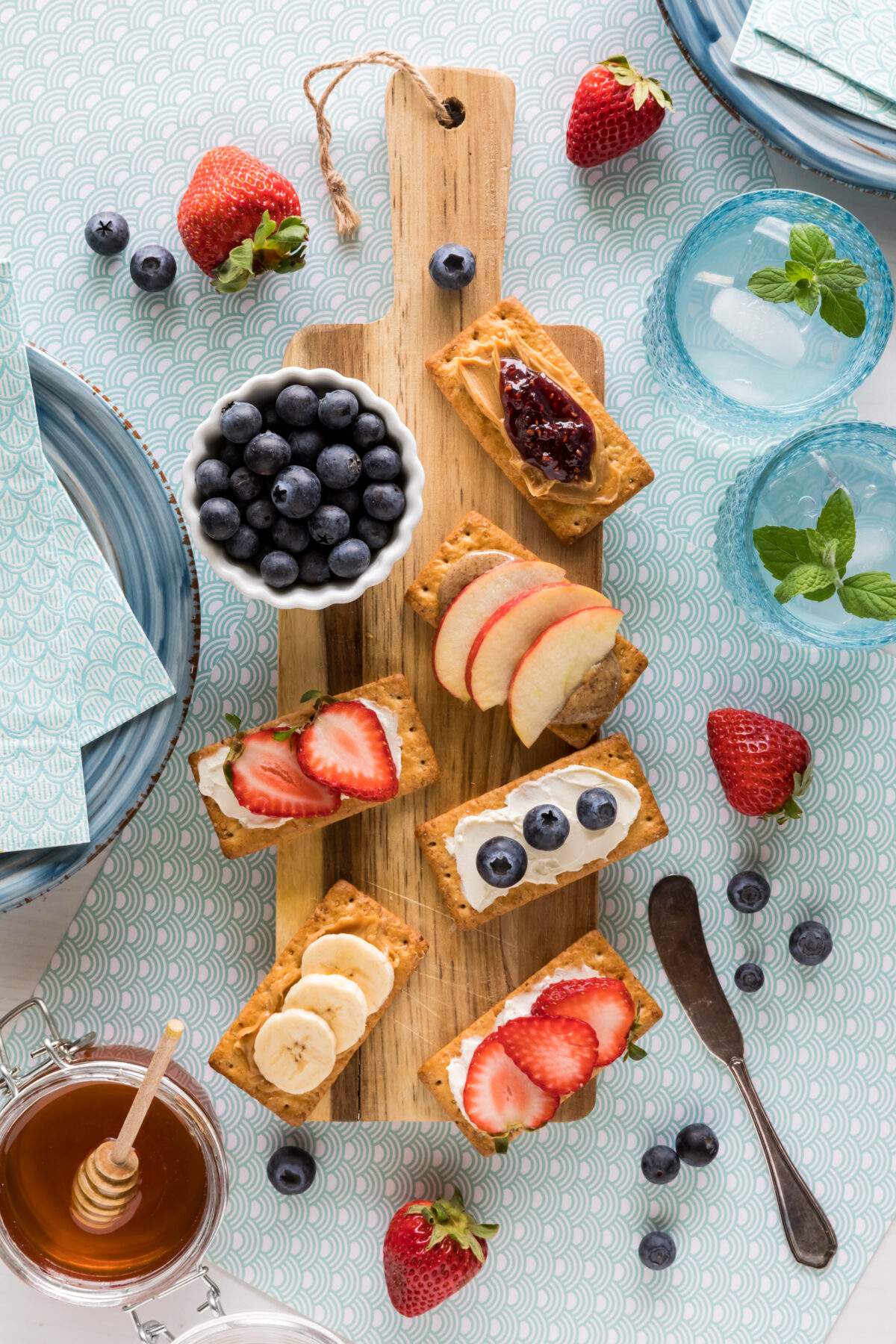
The growing popularity of assembly-based snacks like upgraded graham crackers reflects a broader cultural shift in how modern families approach nutrition. As public health initiatives increasingly emphasize the importance of reducing ultra-processed food consumption, parents are discovering that healthy eating does not necessitate complex, time-consuming culinary techniques from scratch.
By focusing on whole-food toppings and interactive preparation methods, caregivers are dismantling the artificial dichotomy between "fun food" and "healthy food." When children realize that nutrient-dense ingredients like fruit, seeds, and natural nut butters can be combined to create a snack that is both visually appealing and delicious, their intrinsic motivation to make healthier dietary choices expands outward into other areas of their diet.
Ultimately, the after-school snack cracker phenomenon proves that culinary success in the family kitchen is rarely a function of technical difficulty or expensive specialty ingredients. Instead, it is a testament to the power of thoughtful curation, accessibility, and the simple joy of letting children take an active role in shaping what they eat. As families continue to navigate the hectic balancing act of modern schedules, simple, versatile solutions like these will undoubtedly remain a cornerstone of domestic well-being.