The Environmental and Human Cost of Petrochemical Expansion in the Mississippi River Industrial Corridor

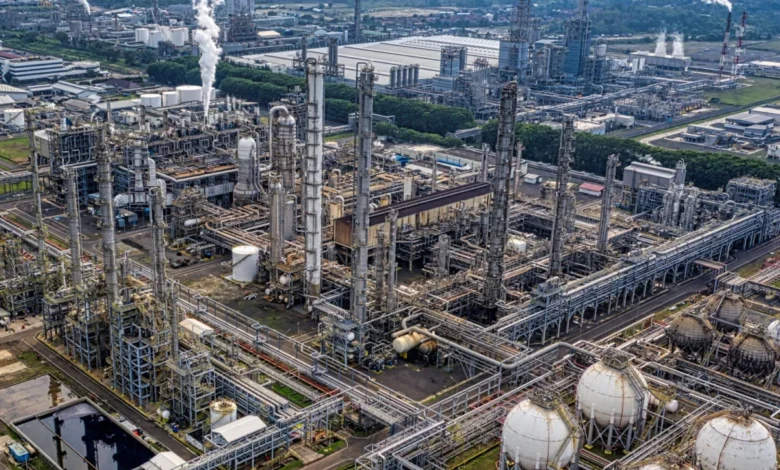
The 85-mile stretch of land along the Mississippi River between Baton Rouge and New Orleans, Louisiana, has earned the grim moniker "Cancer Alley" due to the dense concentration of over 200 fossil fuel and petrochemical operations. For decades, the residents of this region, predominantly from Black, Indigenous, and People of Color (BIPOC) and low-income communities, have lived in the literal shadow of industrial giants. Recent reports and scientific analyses have brought renewed scrutiny to this "sacrifice zone," highlighting a stark reality: residents in these areas face a health risk from hazardous air pollutants that is more than ten times higher than the average for the rest of the state. As global energy demands shift, the petrochemical industry is increasingly viewed as a primary growth sector for fossil fuel companies, raising significant questions about the future of public health, environmental justice, and climate policy.
Understanding the Petrochemical Industrial Complex
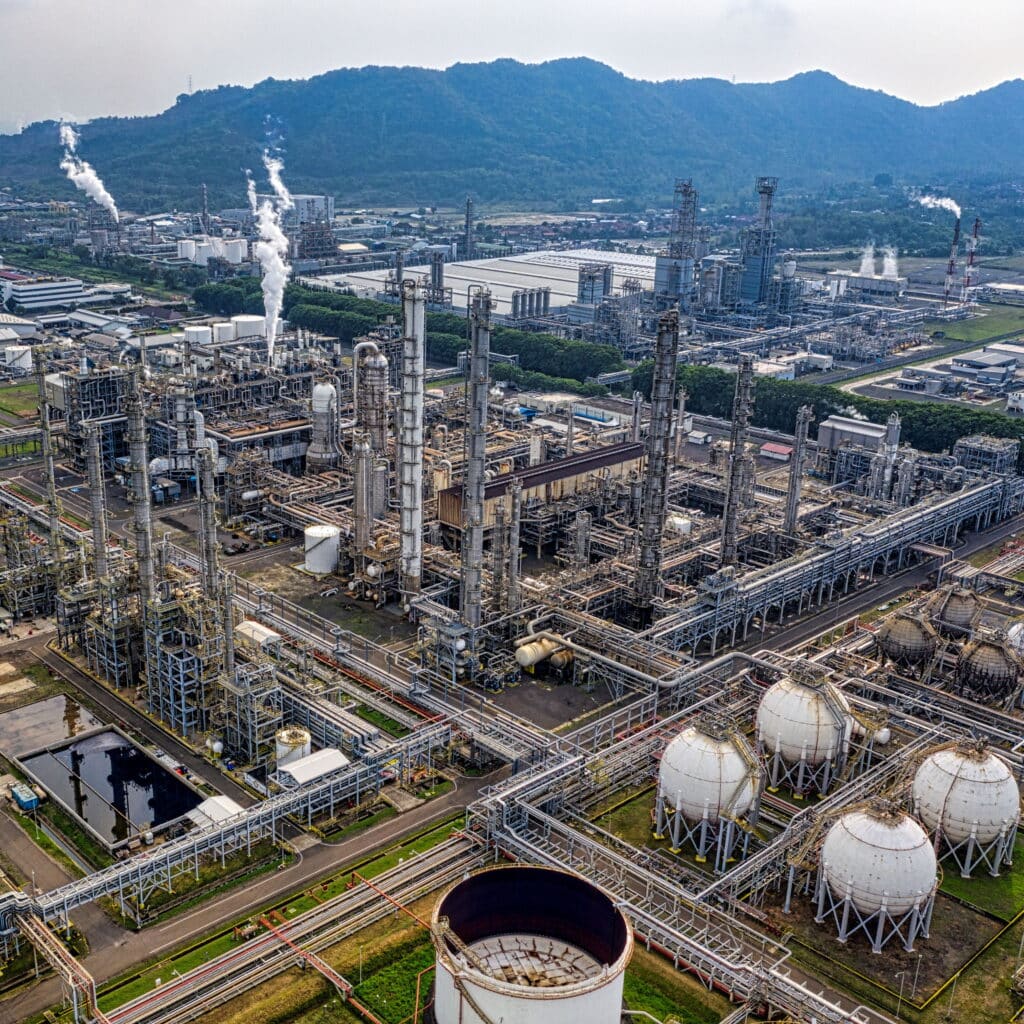
Petrochemical plants are specialized industrial facilities designed to process raw hydrocarbons—primarily crude oil and natural gas liquids—into the building blocks of modern consumer goods. These facilities are often integrated into larger refinery complexes to maximize efficiency in the supply chain. Through high-heat chemical processes known as "cracking," these plants transform raw materials into industrial chemicals, plastics, pesticides, and synthetic fibers.
The industry is categorized by the types of chemicals produced. Olefin plants, for instance, utilize steam crackers to produce ethylene and propylene. Ethylene is the most widely produced petrochemical globally and serves as the primary feedstock for polyethylene, the plastic resin found in everything from milk jugs (HDPE) to grocery bags (LDPE). The process of steam cracking is one of the most energy-intensive operations in the entire chemical sector, requiring massive caloric input and resulting in significant carbon emissions.
Aromatic plants represent another critical segment, producing benzene, toluene, and xylene from naphtha. These chemicals are essential for the production of dyes, detergents, and high-performance plastics. Finally, syngas plants utilize natural gas or coal to generate synthetic gas, which is then converted into ammonia for fertilizers or methanol for industrial solvents. While these products are ubiquitous in the global economy, their production cycle—from extraction to refining—carries a heavy environmental footprint that is often externalized onto the communities surrounding the production sites.
A Chronology of Industrialization and Advocacy in the River Parishes
The transformation of the Mississippi River banks into an industrial corridor began in the post-World War II era, as the United States sought to capitalize on domestic oil reserves and the strategic logistics of the river system. By the 1980s and 1990s, the density of these plants had increased to the point where local health outcomes began to diverge sharply from national averages.
In the early 21st century, the rise of hydraulic fracturing (fracking) provided a surplus of cheap natural gas, leading to a "renaissance" in American petrochemical manufacturing. This expansion was met with increasing resistance from local grassroots organizations. In 2018, Sharon Lavigne, a retired special education teacher, founded Rise St. James to oppose the construction of new multi-billion-dollar complexes in St. James Parish. Her advocacy, along with groups like the Concerned Citizens of St. John, brought international attention to the region, eventually leading to investigations by the United Nations and the U.S. Environmental Protection Agency (EPA).
The legal landscape has shifted dramatically in recent years. Under the Biden administration, the Justice Department and the EPA launched civil rights investigations into the state’s permitting processes, alleging that the concentration of plants in Black neighborhoods constituted environmental racism. However, as of early 2025, several of these federal legal challenges have been dropped or stalled following shifts in administration priorities and successful legal counter-maneuvers by state officials in Louisiana and Texas, who argue that industrial expansion is vital for economic growth.
Health Impacts and the "Sacrifice Zone" Designation
The term "sacrifice zone" is used by environmental sociologists and human rights advocates to describe areas where residents are exposed to high levels of pollution because they are perceived as having less political or economic power to resist industrial encroachment. In Cancer Alley, this exposure is both chronic and acute.
Research published in the New England Journal of Medicine and reports from Human Rights Watch have documented the systemic health crises facing these communities. The primary culprits are volatile organic compounds (VOCs) and hazardous air pollutants (HAPs) such as ethylene oxide, chloroprene, and benzene. These substances are known carcinogens that can cause leukemia, lymphoma, and various respiratory ailments.
Beyond air quality, the contamination of water systems remains a critical concern. An Environmental Integrity Project (EIP) report indicates that nearly 70 petrochemical companies across the United States discharge millions of pounds of pollutants into waterways annually, often operating under permits that have not been updated in decades. In the River Parishes, testing has revealed the presence of per- and polyfluoroalkyl substances (PFAS), often called "forever chemicals," at levels hundreds of times higher than the health advisory limits suggested by federal scientists.
The human toll is evidenced by the personal accounts of residents. Interviews conducted by Human Rights Watch with 70 individuals in the region revealed a pattern of reproductive health issues, including high rates of miscarriages and high-risk pregnancies. In some neighborhoods, residents report that almost every household has lost a family member to cancer, creating a pervasive sense of grief and medical trauma that spans generations.
The Economic Pivot: Petrochemicals as the Future of Oil
The expansion of the petrochemical industry is not occurring in a vacuum; it is a calculated strategic move by the fossil fuel industry. as the global community transitions toward renewable energy and electric vehicles, the demand for gasoline and diesel is projected to decline. In response, oil majors are pivoting toward plastics and chemicals to ensure a continued market for their extracted hydrocarbons.
Industry analysts suggest that petrochemicals will account for more than a third of the growth in world oil demand by 2030, and nearly half by 2050. This shift ensures that the infrastructure of the fossil fuel age remains relevant, even as the world attempts to decarbonize. For communities in Louisiana and Texas, this means that the pressure to host new or expanded facilities is likely to intensify.
Recent legislative and regulatory actions in Texas have further cleared the path for this expansion. Despite warnings from health experts and environmental scientists, state regulators have moved to streamline the permitting process for new petrochemical hubs along the Gulf Coast. Proponents argue that these facilities provide high-paying jobs and tax revenue for local municipalities, but critics point out that the economic benefits rarely reach the residents living closest to the fence lines, who instead bear the brunt of the medical costs and property devaluations associated with industrial pollution.
Official Responses and the Failure of Regulatory Oversight
The response from government entities has been a source of ongoing controversy. While the EPA has the authority to set national standards, the actual enforcement of the Clean Air Act and Clean Water Act is often delegated to state agencies. In Louisiana, the Department of Environmental Quality (LDEQ) has faced criticism for what many perceive as a pro-industry bias.
Robert Taylor, founder of Concerned Citizens of St. John, has frequently stated that the government has "abandoned" its duty to protect the citizenry. This sentiment was exacerbated by the recent decision to drop federal lawsuits aimed at curbing emissions in the region. The legal retreat signals a broader trend toward deregulation, where the economic output of the petrochemical sector is prioritized over the precautionary principle of public health.
International bodies have also weighed in. In 2021, UN human rights experts called for an end to the "environmental racism" in Cancer Alley, stating that the development of the industrial corridor was a violation of the residents’ rights to life, health, and an adequate standard of living. Despite these proclamations, the lack of binding international enforcement mechanisms means that local residents remain dependent on a domestic legal system that is currently trending toward less oversight.
Broader Environmental and Global Implications
The impact of the petrochemical industry extends far beyond the localized health crises in Louisiana. The production of plastics and chemicals is a significant contributor to global greenhouse gas emissions. The energy required to heat steam crackers and the emissions resulting from the chemical reactions themselves contribute to the warming of the planet, which in turn leads to more frequent and intense hurricanes in the Gulf of Mexico. This creates a feedback loop: industrial activity contributes to climate change, which then increases the risk of industrial accidents and chemical leaks during extreme weather events.
Furthermore, the end-of-life impact of petrochemical products—specifically plastic waste—is a global environmental catastrophe. Much of the plastic produced in facilities along the Mississippi River ends up in landfills or the ocean, where it breaks down into microplastics that enter the food chain. The intersectionality of these issues—environmental racism, public health, climate change, and global waste—makes the regulation of the petrochemical industry one of the most complex challenges of the 21st century.
Conclusion: The Path Forward for Environmental Justice
The struggle in Cancer Alley serves as a microcosm of the global conflict between industrial growth and human rights. For residents like Sharon Lavigne and Robert Taylor, the demand is simple: the right to breathe clean air and drink clean water. However, achieving this requires a fundamental shift in how the state and federal governments value the lives of marginalized communities versus the profits of multinational corporations.
As the industry prepares for a decades-long expansion, the residents of the River Parishes continue to organize, litigate, and protest. Their fight is not just for their own health, but for a precedent that no community should be designated a "sacrifice zone" for the sake of industrial progress. The future of the region—and the planet—depends on whether regulatory frameworks can be strengthened to hold the petrochemical industry accountable for its total impact on the people and the environment.