
Seven Essential Research-Backed Strategies to Prevent and Overcome Toddler Picky Eating from Pregnancy to Early Childhood


The challenge of childhood picky eating is a universal concern for parents across the globe, often transforming peaceful family dinner tables into battlegrounds of negotiation and frustration. While many caregivers view selective eating as an inevitable phase of growing up, recent pediatric nutrition research reveals that foundational taste preferences begin developing long before a child takes their first bite of solid food. Pediatric dietitians and child development specialists increasingly emphasize that proactive dietary management during the first one thousand days of life—spanning from gestation through a child’s second birthday—can significantly shape long-term nutritional habits. Understanding the physiological mechanisms of taste acquisition, sensory development, and behavioral psychology provides parents with actionable pathways to foster adventurous, confident eaters without resorting to mealtime coercion.
The Critical Timeline: The First Two Years and the Flavor Window
Child development researchers have long studied how dietary habits are formed, identifying specific chronological milestones where intervention yields the most profound results. The developmental journey of taste preference begins inside the womb, where an unborn child is continuously exposed to diverse flavors through amniotic fluid. As the fetus swallows amniotic fluid daily, the chemical compounds derived from the mother’s diet are absorbed and processed, laying down the initial neural pathways for taste recognition.
This early olfactory and gustatory conditioning extends into infancy through what pediatric nutritionists formally term the "Flavor Window," a critical developmental period spanning roughly from four to eighteen months of age. During this window, infants exhibit a heightened biological and neurological receptivity to novel tastes and textures. Introducing a wide spectrum of culinary profiles—ranging from bitter greens and earthy roots to aromatic spices and complex proteins—during this specific timeframe capitalizes on infant neuroplasticity. Longitudinal studies indicate that children who experience rich culinary diversity within their first year and a half of life demonstrate significantly higher acceptance rates of varied foods during middle childhood and adolescence. Conversely, delaying exposure to complex flavors or restricting infants to bland, highly uniform diets often solidifies neophobia, the innate human fear of new foods, making it progressively harder to expand their palates as toddlers.
In-Utero Conditioning: How Maternal Diet Shapes Future Palates
The prenatal phase represents the earliest frontier in preventive nutritional guidance. Scientific inquiry into fetal sensory development demonstrates a direct biochemical link between maternal dietary intake and the newborn’s postnatal flavor preferences. In landmark clinical studies investigating intrauterine flavor transfer, researchers observed infants whose mothers consumed specific botanical juices, such as carrot juice, during the final trimester of pregnancy. Upon reaching the solid-feeding stage months later, these infants exhibited markedly positive facial expressions, fewer rejection grimaces, and higher overall consumption rates of carrot-flavored purees compared to control groups whose mothers had maintained unmanipulated diets.

These findings carry significant implications for prenatal care, suggesting that maternal nutrition serves as the first culinary educator for the developing child. However, pediatric health experts emphasize that this advice is meant to encourage dietary variety rather than induce maternal guilt. Real-world obstetrical realities, such as severe gestational nausea, hyperemesis gravidarum, and first-trimester food averseness, frequently limit a pregnant individual’s ability to maintain a diverse diet. Nutritionists maintain that prenatal flavor exposure should be approached as an aspirational framework: pregnant individuals are encouraged to incorporate a wide array of whole foods whenever clinically and physically feasible, recognizing that even modest culinary variety contributes to the foundational shaping of the fetal sensory cortex.
Transitioning to Solids: Moving Beyond the "Food Before One Is Just for Fun" Paradigm
For decades, pediatric guidelines operated under the casual maxim that "food before one is just for fun," implying that nutritional intake during infancy was largely secondary to breast milk or formula. Modern pediatric gastroenterology and nutritional science have thoroughly discredited this notion, establishing that the transition to solid foods is a critical developmental epoch. Every non-liquid substance introduced to an infant represents a novel sensory experience, requiring the nervous system to adapt to foreign temperatures, viscosities, chemical compositions, and tactile sensations.
During this transitional phase, the primary objective is not merely caloric consumption, but rather systematic sensory desensitization and familiarity building. The frequency of exposure directly correlates with neural acceptance. When infants repeatedly encounter a specific food item, the visual, olfactory, and gustatory stimuli transition from perceived threats to familiar elements. This cognitive shift forms the bedrock of behavioral nutrition: what is familiar ultimately becomes preferred. Consequently, pediatric dietitians advocate for structured, diverse solid-food introductions that prioritize whole, minimally processed ingredients rather than relying exclusively on heavily refined, homogenized infant cereals or commercially sweetened purees.
Methodologies in Infant Feeding: Evaluating Baby-Led Weaning
As modern parental approaches evolve, traditional spoon-fed purees are increasingly being complemented or replaced by Baby-Led Weaning (BLW). This feeding methodology encourages infants to self-feed graspable, nutrient-dense pieces of whole foods from the onset of solid feeding. Rather than depending on a caregiver to spoon-feed blended purees, an infant practicing BLW interacts directly with appropriately prepared foods, such as steamed broccoli florets, soft-cooked sweet potato wedges, ripe avocado slices, and strips of tender, well-cooked meat or eggs.
Proponents of baby-led weaning point to several developmental advantages. By allowing the infant to dictate the pace, volume, and mechanics of consumption, BLW fosters early internal regulation of hunger and satiety cues. Furthermore, the tactile interaction with varied food structures enhances fine motor skills, hand-eye coordination, and oral-motor mapping. Research comparing children raised via baby-led weaning versus traditional puree feeding suggests that BLW participants may display a heightened readiness to accept complex family meals and whole-food textures later in toddlerhood. However, pediatricians emphasize that parents must adhere strictly to safe preparation guidelines—such as steaming hard vegetables until fork-tender and avoiding choking hazards like whole grapes or nuts—to ensure infant safety during self-feeding sessions.

Navigating Infant Reactions: The Myth of the Rejection Grimace
A common pitfall for new parents is misinterpreting an infant’s physiological reaction to a novel food as an absolute statement of preference. When an infant tastes a bitter or acidic compound—such as pureed broccoli, spinach, or citrus—they frequently respond with a pronounced facial contraction, wrinkling their nose, narrowing their eyes, and protruding their tongue. While parents instinctively interpret this facial grimace as an expression of disgust or hatred for the food, pediatric researchers clarify that this is an automatic, hardwired evolutionary reflex designed to signal caution toward unfamiliar chemical structures.
Crucially, infants have been observed executing this exact facial grimace while actively swallowing and reaching for subsequent spoonfuls of the very same food. Pediatricians advise caregivers to separate involuntary facial reflexes from true food refusal. If an infant displays a grimace, parents should maintain a neutral emotional expression, refrain from overreacting, and continue offering the food in subsequent meals without forcing ingestion. True refusal is characterized by active behavioral avoidance, such as turning the head away, pushing the spoon down, or clamping the mouth shut, which warrants temporary withdrawal and a planned re-presentation at a later date.
The Mathematics of Familiarity: Sustaining Food Rotation
One of the most robust findings in behavioral nutrition is the sheer volume of exposure required for a young child to accept a novel food. Clinical studies demonstrate that infants and toddlers typically require between eight and fifteen distinct exposures to a single food item before willingly accepting and consuming it in meaningful quantities. Despite this well-documented threshold, observational data indicate that many parents abandon a rejected food after just three to five unsuccessful attempts, prematurely concluding that their child "dislikes" the item.
To counteract this attrition, nutrition experts recommend systematic food rotation paired with tracking methodologies. Utilizing a simple log or digital notepad to record introduced foods and tally exposure frequency ensures that rejected items are periodically recycled back into the meal rotation. By reframing a rejected vegetable not as a permanent failure, but as a data point requiring seven more exposures, parents can systematically lower the barrier to acceptance. Consistency, rather than immediate success, remains the primary driver of neuro-gustatory adaptation during infancy.
Texture Progression and the Dangers of Prolonged Purees

In addition to flavor variety, the physical texture of food plays an instrumental role in shaping long-term eating behaviors. Prolonged reliance on smooth, uniform purees past the optimal developmental window can create significant oral-motor hurdles. Infants who are not exposed to lumpy or textured foods by nine to ten months of age frequently exhibit heightened oral sensitivity, gagging reflexes, and behavioral resistance when transitioned to solid table foods later in toddlerhood.
Retrospective nutritional studies tracking children into school-age years have revealed compelling correlations regarding texture progression. For instance, seven-year-old children who were restricted to smooth purees past nine months of age demonstrated significantly narrower dietary repertoires and higher incidences of feeding disorders compared to peers who transitioned to lumpy mashes and soft finger foods earlier in infancy. Gradual textural advancement—progressing seamlessly from smooth purees to textured mashes, soft lumpy solids, and finally finger foods—trains the tongue, jaw, and masticatory muscles to handle the diverse physical properties of adult cuisine.
The Toddler Shift: Understanding the Peak of Picky Eating Around Age Two
While infancy presents its own nutritional challenges, the transition into toddlerhood frequently precipitates a dramatic shift in dietary behavior. Around twelve to eighteen months of age, growth velocity naturally slows down compared to the rapid expansion seen in the first year of life. Consequently, a toddler’s caloric demand and subsequent appetite decrease proportionately. Concurrently, this developmental stage marks the emergence of independent autonomy, where children begin asserting their individuality through behavioral defiance, boundary-testing, and strong food preferences.
Picky eating typically peaks around twenty-four months of age as a direct manifestation of this burgeoning independence. Toddlers often exhibit neophobia, reject previously accepted foods, demand strict uniformity in meal presentation (such as foods not touching on the plate), and show a marked preference for sweet, calorie-dense foods over fibrous vegetables. Pediatric dietitians stress that this phase, while exasperating for caregivers, is a normal developmental milestone rather than a pathological condition. The overarching parental objective during these years is maintaining steady exposure without escalating mealtime anxiety.
Strategic Implementation: Pre-Dinner Vegetable Strategies and Environmental Control
Managing toddler nutrition requires proactive environmental design rather than reactive negotiation at the dinner table. One highly effective, evidence-based strategy employed by pediatric nutritionists is the utilization of the pre-dinner vegetable snack. During the late afternoon hours, toddlers often experience a physiological blood sugar dip accompanied by intense hunger, typically occurring right as parents are frantically preparing the evening meal.

Instead of offering processed crackers or fruit snacks during this vulnerable window, parents are advised to serve raw, crunchy, or steamed vegetables—such as cucumber slices, bell pepper strips, or edamame—while the child is at peak hunger. Driven by biological appetite, toddlers are significantly more inclined to consume nutrient-dense vegetables during this pre-meal hour than they are when seated at a formal dinner table surrounded by competing distractions. If the child consumes vegetables during this window, the nutritional burden of the actual dinner is immediately alleviated, transforming the family meal into a low-pressure social environment.
The Counterproductive Nature of Mealtime Pressure
Perhaps the most challenging paradigm shift for modern parents involves unlearning traditional behavioral conditioning techniques, specifically the use of pressure, rewards, and coercion at the dinner table. Decades of nutritional psychology research unequivocally demonstrate that pressuring children to eat—whether through verbal persuasion, emotional guilt, or physical enforcement—is entirely counterproductive.
Studies examining family mealtime dynamics reveal that children who are pressured to consume specific foods exhibit lower overall caloric intake during meals, report higher levels of anxiety, and verbalize significantly more negative associations with the dining experience. When adults enforce the consumption of a food by labeling it as "good for you," children frequently internalize an inverse psychological reaction, subsequently reporting lower subjective liking for that specific food and actively avoiding it in future settings. Furthermore, longitudinal follow-ups with university students have shown that approximately 72 percent of adults who were forcibly coerced to eat specific foods during childhood maintain an active aversion to those exact items into their adult lives.
To dismantle this cycle, behavioral experts advocate for the adoption of authoritative, low-pressure feeding philosophies. When a toddler expresses resistance or pushes a plate away, caregivers are encouraged to utilize neutral, non-coercive linguistic tools, such as the phrase "you don’t have to eat it." Introducing this specific phrase instantly diffuses the power dynamic of the meal, neutralizing the behavioral standoff. By removing the emotional stakes and the demand for compliance, the child regains a sense of bodily autonomy, which paradoxically increases their willingness to independently explore and taste the food on their own terms.
Clinical Red Flags: When Picky Eating Requires Professional Intervention
While standard developmental picky eating is a temporary phase that responds well to consistent, low-pressure exposure and environmental adjustments, parents must remain vigilant regarding clinical red flags. A small percentage of children exhibit selective eating patterns that extend far beyond normal developmental boundaries, pointing toward underlying sensory processing disorders, pediatric feeding disorders (PFD), or avoidant/restrictive food intake disorder (ARFID).
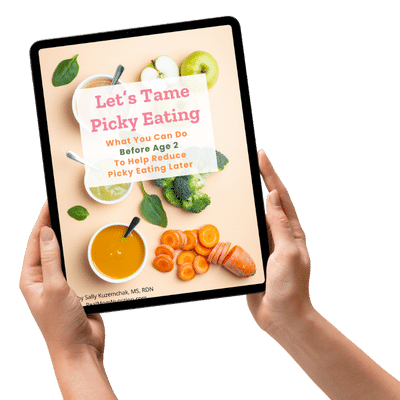
Pediatricians recommend scheduling a formal clinical evaluation if a child exhibits specific warning signs, including:
- Consistently accepting fewer than fifteen distinct food items across multiple food groups.
- Displaying extreme somatic anxiety, panic, vomiting, or gagging when exposed to new foods or textures.
- Experiencing documented weight loss, stalled growth trajectories, or nutritional deficiencies.
- Demonstrating complete refusal of entire food textures (such as rejecting all solids in favor of liquids).
When these clinical indicators are present, standard parental strategies may prove insufficient. Pediatricians can provide direct medical assessments and coordinate specialized referrals to multidisciplinary feeding teams, which typically include registered dietitians, pediatric occupational therapists, and speech-language pathologists specializing in oral-motor therapy. Early identification and professional clinical intervention ensure that children with complex feeding challenges receive targeted support to achieve long-term nutritional health and developmental well-being.