The Ultimate Guide to Sourcing Ethical Winter Accessories in the United Kingdom

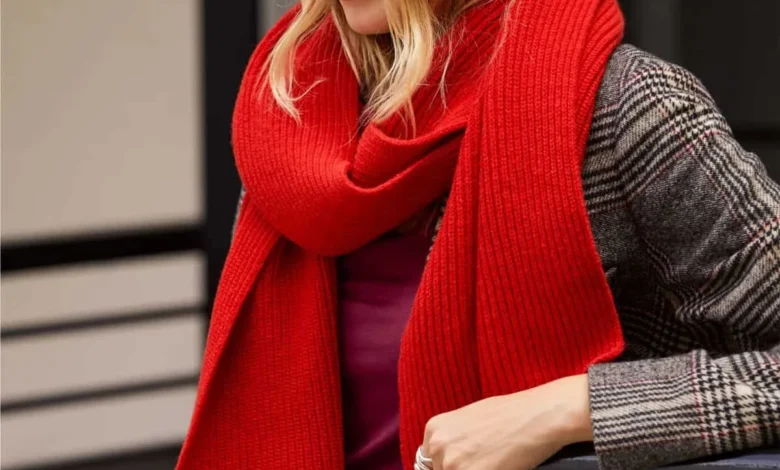
The search for winter accessories that balance thermal performance with environmental integrity has become a primary focus for conscious consumers. As global temperatures fluctuate and the textile industry faces increasing scrutiny over its carbon footprint, the demand for transparent supply chains in the fashion sector has surged. Finding gloves, scarves, and headwear that align with ethical values—specifically regarding animal welfare, material sourcing, and labor conditions—is no longer a niche pursuit but a significant market trend driven by a shift toward circular economy principles.
The Evolution of Sustainable Winter Textiles
For decades, the winter apparel industry relied heavily on virgin synthetic fibers and conventional wool production, often prioritizing cost-efficiency over environmental stewardship. However, the landscape began to shift significantly in the early 21st century. In 2005, the Soil Association’s Global Organic Textile Standard (GOTS) established a rigorous benchmark for organic fibers, setting the stage for brands to prove their environmental claims.

The context of this shift is rooted in the broader climate crisis. According to reports from the Textile Exchange, the production of animal fibers—specifically wool and cashmere—is highly dependent on land management practices. When grazing is not managed sustainably, it leads to soil degradation and biodiversity loss. Consequently, brands are now gravitating toward the Responsible Wool Standard (RWS), which mandates that farms demonstrate a progressive approach to land health and animal welfare. The move away from "mulesing," a controversial surgical procedure in sheep farming, has become a key indicator of ethical compliance for reputable manufacturers.
Industry Leaders and Ethical Production Models
Several brands have emerged as leaders in this transition, adopting distinct strategies to minimize their environmental impact while maintaining product quality.
Seasalt Cornwall and the GOTS Certification
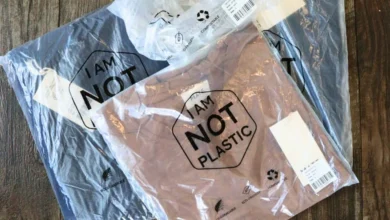
Seasalt was a pioneer in the UK retail space, becoming the first fashion brand to achieve GOTS certification for its cotton range nearly two decades ago. Their current strategy involves a multi-material approach, utilizing recycled nylon and RWS-certified wool. By integrating recycled content, the brand reduces the demand for virgin petrochemical-based fibers, a critical step in lowering the industry’s overall reliance on fossil fuels. Furthermore, their transition to plastic-free packaging addresses a major criticism of e-commerce: the accumulation of single-use shipping materials.

The Nearly New Cashmere Co. and Circularity
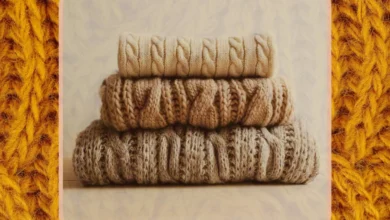
The rise of the circular economy is perhaps best exemplified by The Nearly New Cashmere Co. By focusing on "upcycled" fashion, the company directly confronts the issue of textile waste. Statistics from the Waste and Resources Action Programme (WRAP) indicate that millions of tonnes of clothing end up in landfills annually. By collecting, repairing, and repurposing high-quality cashmere jumpers that are no longer commercially viable as garments, the brand effectively extends the lifecycle of existing materials. This process prevents the energy-intensive production of new cashmere, which is notorious for its high water usage and land requirements.
Dilling and Vertical Integration
Dilling represents the model of transparency through vertical integration. By owning their own dye house and manufacturing facilities, they eliminate the "blind spots" often found in fashion supply chains. Many ethical violations in the apparel industry occur at the tier-two and tier-three supplier levels, where brands often lose oversight. Dilling’s ability to control its own processing reduces the risk of hazardous chemical exposure, as they avoid heavy metal dyes, and allows for the implementation of closed-loop water systems. Their commitment to repairability—evidenced by the provision of repair kits and tutorials—is a direct rejection of the "fast fashion" model that encourages disposable consumption.
Chronology of Sustainability Standards
The shift toward ethical winter wear has been punctuated by critical industry milestones:
- 2005: The widespread adoption of GOTS certification begins to provide a framework for organic textile verification.
- 2016: The Textile Exchange launches the Responsible Wool Standard (RWS), creating a unified global standard for animal welfare and land management.
- 2019–2021: A surge in consumer awareness regarding "greenwashing" forces brands to provide more granular data on their supply chains and transport methods.
- 2023–2025: Increased focus on "Scope 3" emissions—those generated in the supply chain—leads companies like Isabella Oliver to prioritize ground transport over air freight for European imports, significantly reducing the carbon intensity of their products.
Market Data and Consumer Impact
Market research indicates that ethical winter apparel is no longer just a luxury segment. Data from recent retail analysis suggests that consumers under the age of 40 are 60% more likely to check for sustainability certifications before purchasing winter accessories. This demographic shift is forcing retailers to move beyond marketing slogans and into verified, data-backed claims.
The impact of these choices is measurable. For instance, replacing virgin wool with recycled wool can reduce energy consumption by up to 80% and water usage by 90% per kilogram of fiber produced. While recycled wool can sometimes be shorter-staple, technological advancements in mechanical recycling have allowed brands like Isabella Oliver to produce accessories that remain durable and soft, proving that performance does not have to be sacrificed for sustainability.
Broader Implications for the Retail Sector
The trend toward ethical sourcing is signaling a long-term change in how the UK retail sector operates. As the UK government continues to refine its Extended Producer Responsibility (EPR) regulations, brands that have already invested in repairability and ethical sourcing are better positioned to meet future legislative requirements.

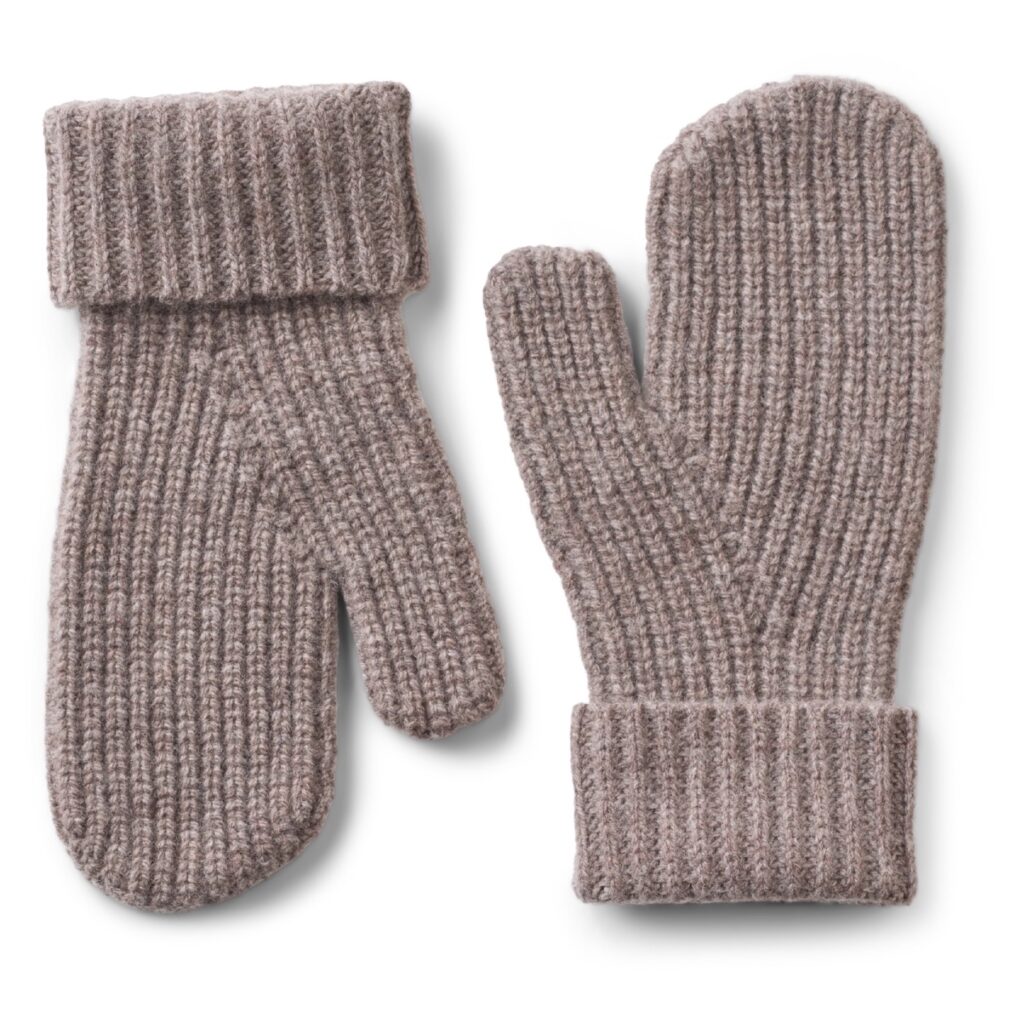
However, challenges remain. The price disparity between ethically produced goods and mass-market alternatives remains a barrier for lower-income households. While brands like Devold and Dilling offer high-performance, long-lasting products, the upfront cost is higher than conventional high-street options. Industry experts suggest that this "value-per-wear" metric is the most effective way to analyze the true cost of these items. A pair of ethically sourced, repairable mittens that lasts five years is, in economic and environmental terms, significantly cheaper than five pairs of fast-fashion gloves that lose their thermal properties after a single season.
Future Outlook
As the winter apparel market matures, the next frontier for these brands will be the integration of blockchain-based supply chain tracing. This technology will allow consumers to scan a product and view the entire journey of the wool from the farm to the retail shelf. Furthermore, the emphasis on local and European-based manufacturing, as seen with brands like Isabella Oliver, reflects a growing movement to shorten supply chains, thereby reducing the carbon emissions associated with long-distance shipping.
In summary, the transition to ethical winter accessories is a multi-faceted process involving material innovation, a commitment to circularity, and a radical increase in supply chain transparency. As consumers become more adept at distinguishing between genuine sustainability and superficial branding, companies that prioritize verifiable standards—such as GOTS and RWS—will likely become the new standard-bearers for the industry. The movement is no longer about simply staying warm; it is about ensuring that the means of achieving that warmth do not compromise the environmental conditions required for the future.