Air Fryer Cookies: The Rise of Small-Batch Convection Baking in Modern Home Kitchens

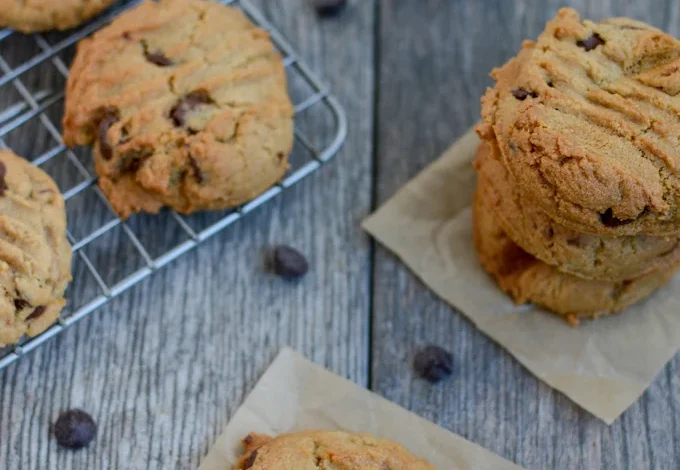
The emergence of the air fryer as a household staple has fundamentally altered home baking practices, shifting consumer preference toward rapid, small-batch preparation over traditional bulk oven baking. Recent culinary data indicates a growing trend in "on-demand" dessert preparation, where the air fryer—a compact, high-powered convection appliance—serves as the primary tool for producing individual servings of baked goods. This shift, characterized by the 10-minute cookie cycle, represents a departure from the conventional wisdom of large-scale, multi-dozen baking sessions that have dominated domestic kitchens for decades.
The Mechanism of Convection Baking
At its core, an air fryer is a miniaturized convection oven. Unlike a traditional thermal oven that relies on radiant heat and natural airflow, the air fryer employs a high-velocity fan to circulate superheated air around the food. In the context of cookie dough, this technology facilitates a faster Maillard reaction, the chemical process responsible for the browning and flavor development in baked goods.
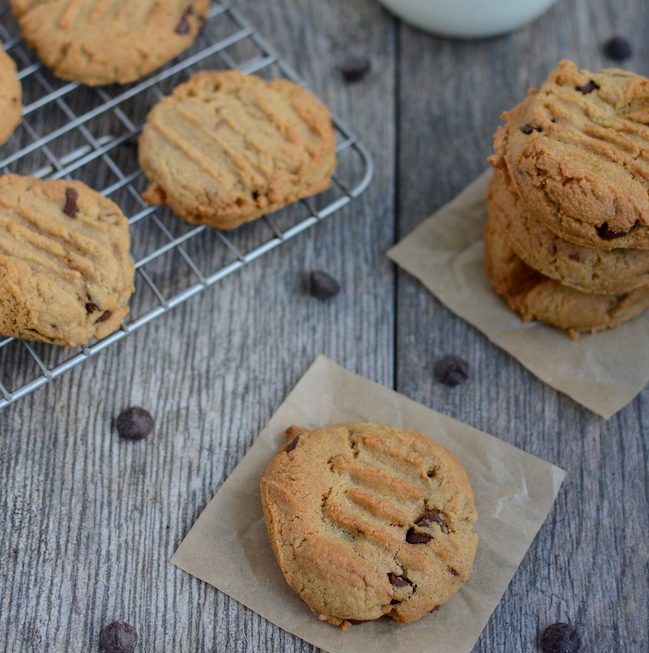
When baking cookies in an air fryer, the accelerated heat transfer necessitates strict temperature control. Culinary experts have identified 300 degrees Fahrenheit as the optimal threshold for this method. Temperatures exceeding this benchmark often result in "flash-browning," where the exterior of the cookie hardens before the internal structure has achieved the necessary thermal rise. Maintaining a lower temperature ensures that the structural integrity of the dough—specifically the emulsification of fats and the leavening process—occurs in harmony with surface browning.
Historical Context and Technological Adoption
The transition toward small-batch air frying follows the rapid adoption of the appliance itself. According to market research, air fryer ownership in the United States has surged by nearly 40% since 2020. This rise is largely attributed to the device’s efficiency in reducing energy consumption and preparation time.
The practice of "freezer-to-fryer" baking—a technique where dough is prepared in advance, portioned, and frozen—aligns with broader consumer trends toward meal prepping and waste reduction. By decoupling the act of making dough from the act of baking, consumers gain the ability to mitigate the temptation associated with having large quantities of baked goods readily available. This method of portion control is increasingly cited by nutrition professionals as a practical strategy for balancing indulgent cravings with dietary management.
Technical Challenges and Best Practices
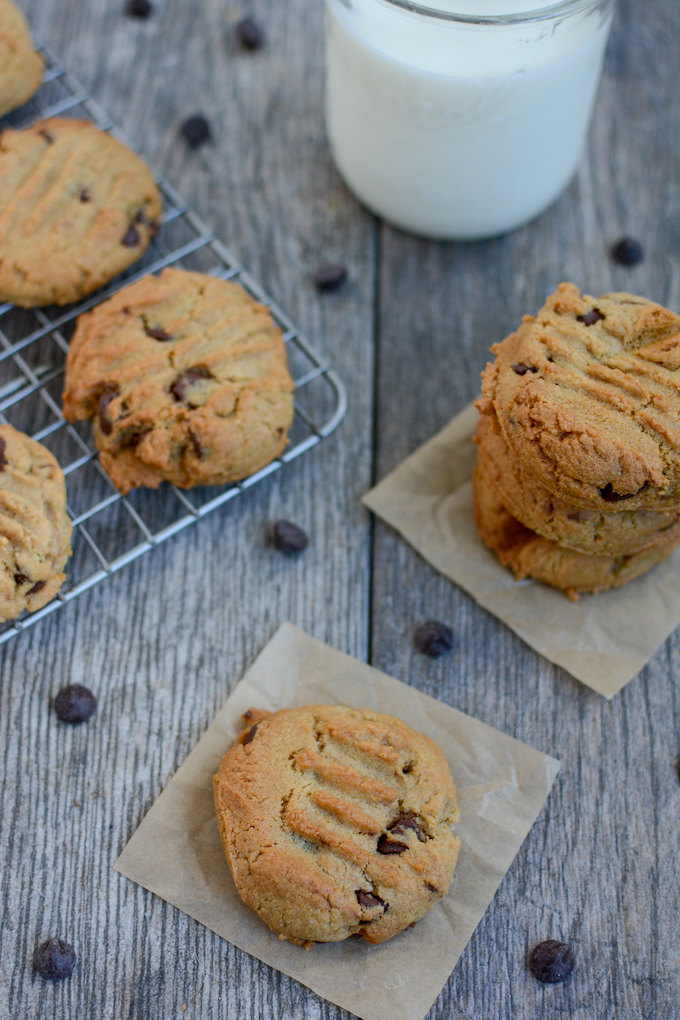
The transition from a conventional oven to an air fryer requires a recalibration of standard baking techniques. The primary challenge identified by culinary testers is the risk of the dough slipping through the perforated cooking basket or tray. To address this, the use of parchment paper liners is mandatory. These liners not only prevent mechanical failure but also ensure consistent heat distribution across the bottom of the dough ball.
Furthermore, the state of the dough at the time of insertion is critical. Recipes utilizing melted or softened fats require a mandatory chilling period of at least 30 minutes. This chilling step is essential to stabilize the saturated fats in the butter; failing to chill the dough leads to excessive spreading, as the air fryer’s intense convection current will cause the fat to liquefy prematurely before the structure of the cookie can set.
Chronology of the 10-Minute Cycle
The standard operational timeline for an air fryer cookie is consistent across various models and manufacturers:
- Dough Preparation (0–15 minutes): Creaming sugars and fats, followed by the incorporation of dry ingredients.
- Thermal Stabilization (30+ minutes): The mandatory chilling phase to prevent spreading.
- Preheating (3 minutes): Bringing the air fryer chamber to the 300-degree target.
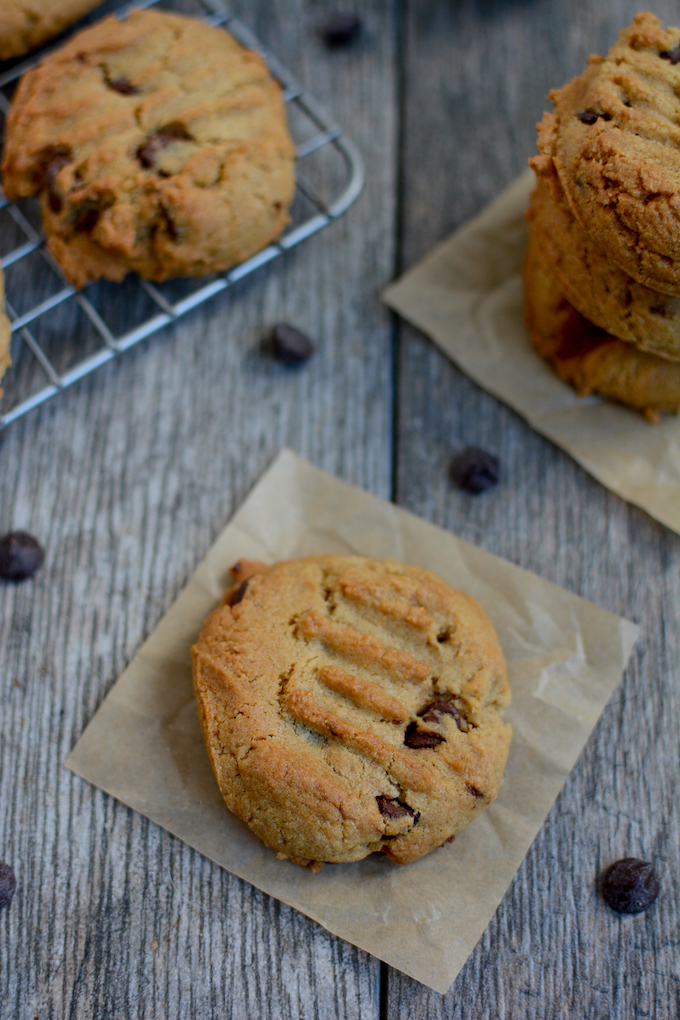
- Cooking (8–10 minutes): The active baking phase, with a performance check recommended at the 8-minute mark to account for variables in air fryer wattage and insulation.
- Resting (2–3 minutes): A brief cooling period, allowing the center of the cookie to set as the residual heat dissipates.
Analysis of Nutritional and Behavioral Implications
The shift toward small-batch baking has distinct implications for household nutrition. By limiting production to two or three units at a time, the consumer effectively removes the "excess inventory" that often leads to overconsumption. This model is particularly effective for households of one or two individuals, where the traditional "batch of two dozen" is often excessive.
From a resource perspective, the energy efficiency of the air fryer is notable. An air fryer typically consumes 50% to 75% less energy than a full-sized electric oven, primarily due to the significantly smaller volume of air that requires heating and the shorter duration of the cooking cycle. While the initial investment in the appliance is a factor, the long-term utility in reducing peak-hour energy usage provides a measurable benefit to the average household.
Expert Perspectives on Home Baking Evolution
Registered Dietitians and culinary researchers observe that this trend reflects a wider societal interest in "mindful consumption." Lindsay Livingston, a noted nutritionist, suggests that the ability to prepare fresh, hot cookies on demand creates a more sustainable relationship with sugar and baked goods. Rather than viewing dessert as a "forbidden" item that must be consumed in large batches before it loses freshness, the air fryer model allows for dessert to be treated as a treat that is produced in exactly the required quantity.
However, critics of the method note that air fryers lack the uniform heat distribution of high-end convection ovens, which may result in minor inconsistencies in texture for more delicate recipes. Despite this, the consensus among home bakers and professional test kitchens is that the speed and convenience provided by the air fryer outweigh the minor loss in artisanal precision.
Future Outlook
As home kitchen technology continues to evolve, the integration of smart sensors and more precise temperature controls in newer air fryer models is expected to further streamline this process. The "small-batch" philosophy is likely to expand beyond cookies into other areas of baking, including scones, muffins, and savory pastries.
The democratization of professional-grade convection technology through the air fryer has permanently altered the landscape of the home kitchen. By prioritizing efficiency and portion control, the modern baker is increasingly moving away from the industrial-style production of the past in favor of a precision-focused, on-demand approach. This evolution not only optimizes the baking process but also aligns with the modern consumer’s preference for quick, efficient, and intentional food preparation.
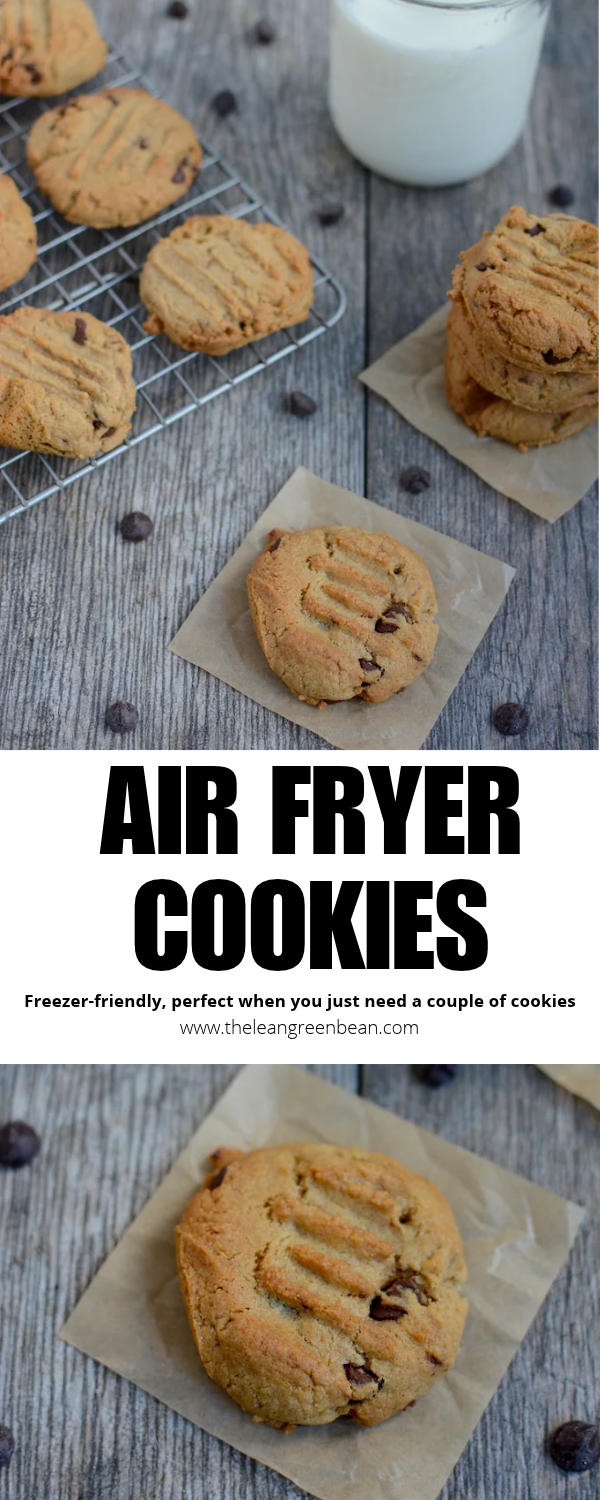
In conclusion, while the core chemistry of baking remains constant, the application of that chemistry through the air fryer offers a compelling, efficient, and highly practical alternative to traditional methods. Whether for a quick evening treat or a planned dessert, the 10-minute cookie cycle has solidified its place as a permanent feature in the contemporary culinary toolkit.