Meaningful Movement: How Targeted Physical Activity Transforms Diabetes Management and Healthy Aging


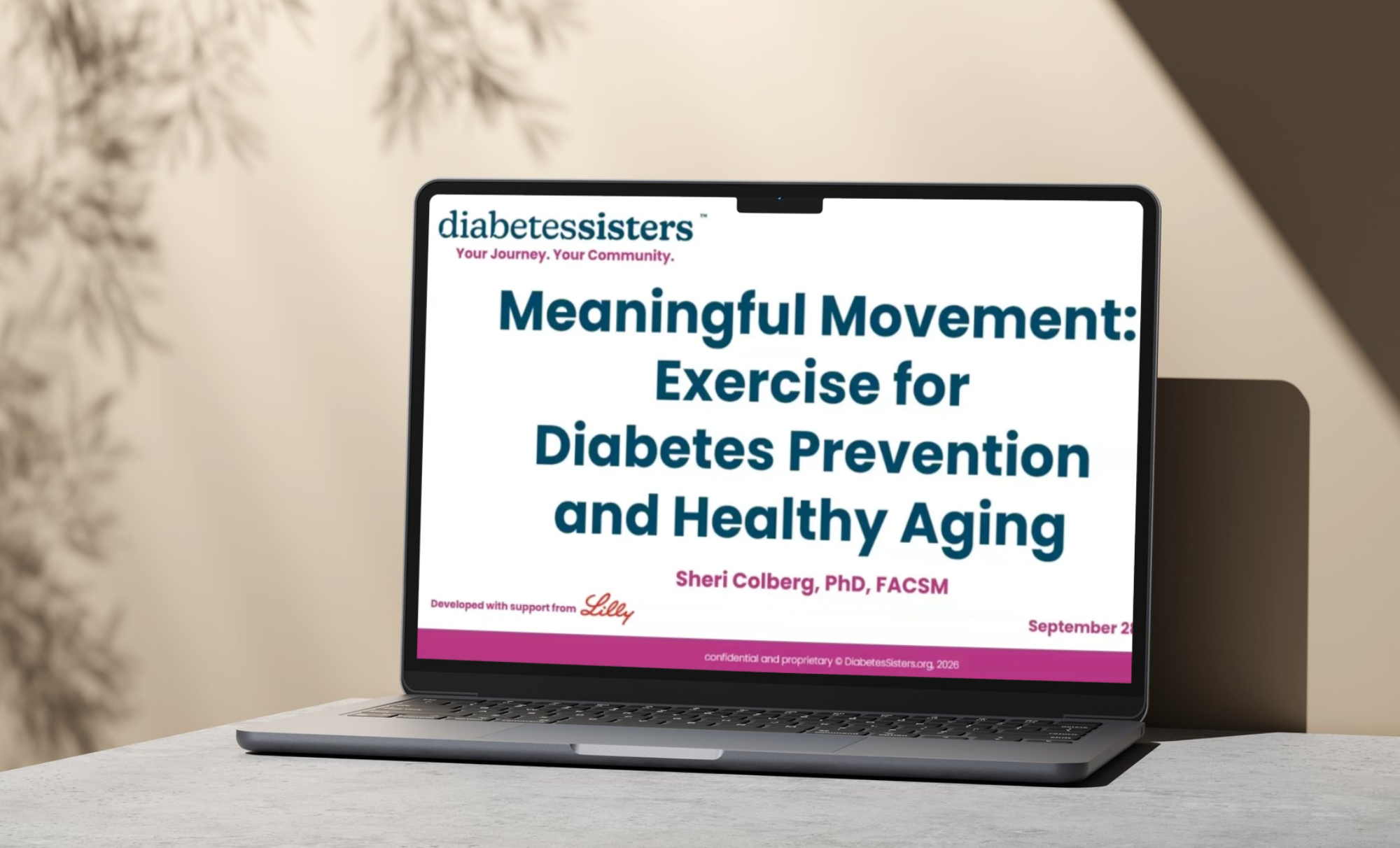
The paradigm of physical activity in the context of chronic disease management has undergone a significant transformation, shifting from a focus on high-intensity athletic performance to the concept of "meaningful movement" as a therapeutic tool for glycemic control. Dr. Sheri R. Colberg, Professor Emerita of Exercise Science at Old Dominion University and a preeminent authority on the nexus of diabetes and physical exertion, has spearheaded a new initiative aimed at demystifying the role of daily activity for individuals managing blood glucose levels. Through her recent expert-led sessions, she emphasizes that the physiological benefits of movement are not reserved for elite athletes but are accessible to all individuals, regardless of their current physical condition or medical history.
The fundamental premise of this approach is that movement is a metabolic intervention. For those living with type 2 diabetes or those at risk for the condition, the body’s ability to utilize insulin is often impaired. Physical activity serves as a mechanism to facilitate glucose uptake into the muscles, independent of insulin, thereby lowering blood sugar levels effectively and safely. This, however, requires a departure from the traditional "all or nothing" mindset that often discourages individuals from engaging in exercise regimens that feel overly burdensome.
The Evolution of Exercise Recommendations for Diabetes
Historically, medical guidelines for diabetes management leaned heavily on structured, aerobic-focused sessions, such as sustained running or cycling, often recommending 150 minutes of moderate-intensity activity per week. While these recommendations remain scientifically sound, they have frequently been perceived as an insurmountable barrier for patients with sedentary habits or physical limitations.
Dr. Colberg’s recent work tracks a shift toward "activity snacking"—the practice of breaking up sedentary time with short, frequent bursts of movement. This approach aligns with evolving research from the American Diabetes Association (ADA), which has increasingly acknowledged the importance of breaking up prolonged sitting time every 30 minutes to mitigate the insulin resistance that naturally occurs when the body remains stationary for extended periods.
The chronology of this shift can be traced back to the early 2010s, when clinical studies began to demonstrate that post-prandial movement—specifically activity performed shortly after a meal—is significantly more effective at blunting the glucose spike that typically follows food consumption. This observation has moved the needle from asking, "How much exercise do I need?" to "How can I integrate movement into the flow of my daily life?"
Scientific Foundations and Metabolic Implications
The physiological impact of movement on blood glucose is multifaceted. When muscles contract, they trigger the translocation of GLUT4 glucose transporters to the cell surface. This process allows glucose to be pulled from the bloodstream and used for energy, effectively reducing the circulating volume of sugar in the blood. This effect is particularly pronounced in large muscle groups, such as the quadriceps, hamstrings, and glutes.
Supporting data from the Centers for Disease Control and Prevention (CDC) underscores the gravity of this intervention. With over 37 million Americans currently living with diabetes and roughly 96 million adults categorized as prediabetic, the societal burden of the disease is immense. Data consistently indicates that for every 1% reduction in HbA1c levels, there is a corresponding decrease in the risk of microvascular complications, such as retinopathy and neuropathy.
Dr. Colberg’s research provides evidence that resistance training—often overlooked in favor of walking—is a critical component of long-term health. By increasing muscle mass, an individual essentially builds a larger "glucose sink." A body with higher muscle mass is inherently better equipped to regulate blood sugar levels, even at rest, because resting muscle tissue consumes a higher baseline amount of glucose compared to adipose tissue.
Integrating Movement into Daily Life: A Strategic Framework
The practical application of these principles involves a tiered strategy. For individuals who are currently sedentary, the goal is not to reach a target heart rate, but rather to disrupt inactivity.
- The Post-Meal Window: Research suggests that a 10-to-15-minute walk starting approximately 30 minutes after a meal can significantly dampen the post-prandial glucose spike. This is one of the most effective, low-barrier interventions available to patients.
- Strength Maintenance: Incorporating simple resistance movements, such as chair squats, wall push-ups, or the use of resistance bands, twice weekly can significantly improve insulin sensitivity over the long term. These exercises do not require a gym membership or specialized equipment.
- Environmental Cues: Modern lifestyle interventions emphasize "active design"—taking the stairs instead of the elevator, standing during phone calls, or utilizing a standing desk. These micro-movements, while seemingly minor, accumulate throughout the day to create a more stable metabolic environment.
Expert Perspectives and Institutional Alignment
Dr. Colberg’s advocacy for this approach is bolstered by a broader consensus within the exercise science community. The American College of Sports Medicine (ACSM) has long maintained that "exercise is medicine," but the nuance added by experts like Dr. Colberg is the democratization of this medicine.
In her recent discussions, she has noted that the biggest obstacle to patient compliance is not physical inability, but rather a lack of confidence and the intimidation factor of traditional gym environments. By shifting the nomenclature from "exercise" (which implies a task to be completed) to "movement" (which implies a lifestyle state), experts are reporting higher adherence rates in clinical settings.
Colleagues in the endocrinology field have lauded this shift, noting that patients are more likely to adhere to a regimen of "frequent, low-intensity movement" than a prescriptive, rigid workout plan that requires significant time and mental energy to plan. The implications for public health are profound: by lowering the barrier to entry, the healthcare system can potentially reach the most vulnerable populations who are at the highest risk of diabetes-related complications.
Broader Impact: Healthy Aging and Quality of Life
Beyond the immediate control of blood glucose, the "meaningful movement" philosophy has substantial implications for healthy aging. As the global population ages, the preservation of mobility and functional independence becomes a primary public health objective. Sarcopenia—the age-related loss of muscle mass—is directly linked to the development of metabolic disorders.

By encouraging a lifestyle of consistent movement, Dr. Colberg’s approach addresses the root causes of both diabetes and frailty. The synergy between metabolic health and musculoskeletal health creates a feedback loop: as movement improves blood sugar control, it also protects the nerves and blood vessels, which in turn preserves the ability to continue moving as one ages. This creates a virtuous cycle of health that extends the "healthspan" of the individual.
Addressing Barriers and Promoting Inclusivity
Despite the simplicity of the message, structural barriers remain. Urban design, sedentary office cultures, and a lack of access to safe walking environments all play a role in the prevalence of sedentary behavior. However, the expert guidance provided by Dr. Colberg focuses on the factors that remain within the individual’s control.
By deconstructing the "workout" into smaller, manageable units, individuals are empowered to take ownership of their health. The key takeaway is that the physiological benefit of a 30-minute walk is virtually identical whether it is completed in one continuous block or three 10-minute sessions. This flexibility is the cornerstone of successful, long-term diabetes management.
Conclusion: A Call to Action
The evidence is clear: the most effective exercise regimen is the one that an individual will actually perform consistently. The shift toward meaningful movement is not merely a change in terminology; it is a fundamental reassessment of how we manage chronic disease. By prioritizing accessibility, consistency, and metabolic utility, Dr. Sheri R. Colberg and her peers are providing a roadmap for those looking to manage their blood glucose levels and promote longevity.
As the scientific community continues to refine these guidelines, the message for the public remains consistent: start where you are, move in ways that bring you satisfaction, and remember that every movement serves as a vital signal to your metabolism. The path to better health is paved with small, deliberate steps taken throughout the day, turning the simple act of moving into a powerful tool for wellness and disease prevention. The democratization of exercise, coupled with a focus on functional movement, represents the next frontier in the management of diabetes and the promotion of a healthier, more active aging process for all.