E-bike safety for kids: What pediatric ER doctors want parents to know before gifting one

The rapid surge in the popularity of electric bicycles and e-scooters as gifts for children and teenagers has triggered a significant public health alert among pediatric trauma experts. As these motorized devices become fixtures on neighborhood streets and bike paths, emergency rooms across the United States are reporting an alarming uptick in severe, high-speed injuries. A recent study published in the Journal of the American Medical Association (JAMA) underscores this trend, providing a sobering look at the physical toll these vehicles are taking on riders under the age of 18. As families approach the holiday season, pediatric physicians are calling for an immediate re-evaluation of how, when, and if children should operate these increasingly powerful machines.

The Data Behind the Surge
The JAMA study, released in November 2026, provides a comprehensive analysis of over 13,000 emergency department visits across six major children’s hospitals between 2023 and early 2026. The findings are statistically significant: e-bike injuries have been climbing at a rate of 33% per quarter, while e-scooter injuries have grown by 15% per quarter. In contrast, traditional non-electric bicycles and scooters have seen negligible increases of 2% and 4%, respectively.

Perhaps most concerning is the demographic breakdown of the injured. Nearly 25% of all e-bike-related trauma cases involved children under the age of 12, an age group that developmental experts argue lacks the cognitive and physical maturity to manage the speed and weight of motorized transport. The severity of these injuries is also distinct; approximately 17% of e-bike accidents required hospitalization, and 10% resulted in documented brain injuries—a rate double that of traditional cycling accidents.

Understanding the Mechanics of Injury
Pediatric physicians, including Dr. Beth C. Natt, system medical director of pediatrics at Atlantic Health, and Dr. Zebulon J. Timmons, division chief of emergency medicine at Children’s Nebraska, suggest that the fundamental problem lies in the intersection of high velocity and underdeveloped cognitive judgment.

"It mostly comes down to speed," Dr. Natt explains. "Doubling the speed roughly quadruples the force in a crash." While a child on a standard bicycle might reach speeds of 8 to 10 miles per hour through their own physical exertion, many entry-level e-bikes are capable of reaching or exceeding 25 miles per hour. When a child is involved in a collision at these speeds, the impact is often comparable to that of a motorcycle accident rather than a casual bike ride.

Furthermore, the physical anatomy of children exacerbates the risk. Dr. Natt notes that children’s heads are disproportionately large relative to their bodies, making them more prone to head-first impacts. These falls often lead to severe facial, dental, and head injuries. Dr. Timmons adds that children also suffer from a lack of "frontal lobe capacity" needed to anticipate traffic patterns and execute split-second defensive maneuvers. In many cases, the trauma is compounded by the "handlebar injury" mechanism, where the handlebars strike the abdomen or chest during a crash, leading to internal organ damage that may not be immediately apparent but requires urgent surgical intervention.

The Classification Conundrum
To address these risks, parents must understand the three distinct classes of e-bikes, as many consumers purchase these items without grasping their technical limitations or legal requirements:

- Class 1: Pedal-assist only, with a maximum speed of 20 mph. These are generally considered the "safest" for younger riders, though they still carry significant momentum.
- Class 2: Equipped with a throttle, also capped at 20 mph. The inclusion of a throttle means the bike can be propelled without the rider pedaling, which can lead to accidental acceleration if the child loses their balance.
- Class 3: Pedal-assist up to 28 mph. These are widely restricted to riders aged 16 and older in most jurisdictions, yet they remain easily accessible for purchase online.
Pediatricians generally caution against Class 2 or Class 3 models for anyone under the age of 16. Even for Class 1 bikes, the American Academy of Pediatrics (AAP) suggests that children under 12 should not be using motorized bicycles at all. The lack of federal regulations regarding minimum age requirements for e-bike ownership has created a "wild west" environment where manufacturers and retailers often market these devices as toys rather than motor vehicles.

The Reality of Safety Gear
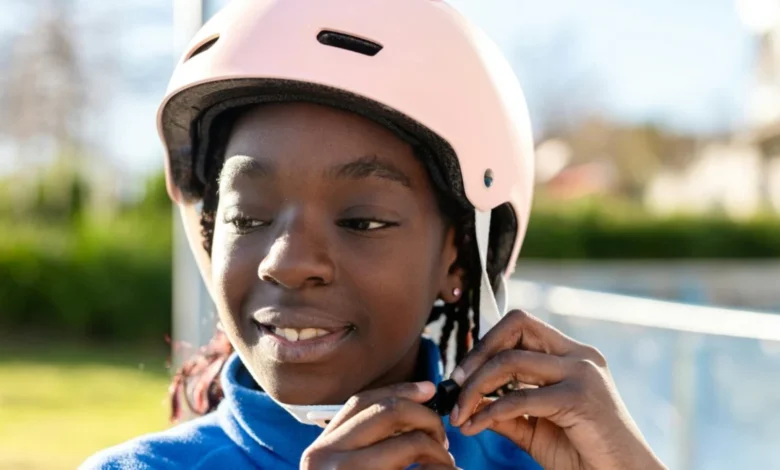
A critical finding in the medical data is the lack of proper head protection. Fewer than 25% of children treated for e-bike injuries were wearing a helmet at the time of their accident. Even among those who do wear them, the standard bicycle helmet is designed to withstand impacts at speeds typically under 15 miles per hour.

For e-bikes that can reach 25 mph, experts recommend helmets certified to the NTA 8776 standard, which is specifically designed for high-speed e-bike usage. At speeds exceeding 25 mph, pediatricians argue that a full-face motorcycle or moped helmet is the only equipment capable of providing adequate protection for the jaw and cranium.

Beyond helmets, pediatricians are now recommending that young riders wear gloves and wrist guards. The frequency of broken wrists—often sustained when a child instinctively puts their hands out to break a fall—has become a hallmark of the current "e-bike trauma season."

Setting Strict Ground Rules
For parents who choose to permit e-bike usage, medical experts recommend a rigorous, contract-based approach to safety before the keys or batteries are ever handed over:

- Mandatory Training: Ensure the child is capable of handling a standard, non-electric bike in traffic scenarios with complete confidence before introducing motor assistance.
- Zero-Tolerance Helmet Policy: Make the helmet a non-negotiable condition of use. If the child is caught riding without one, the device should be confiscated immediately.
- Route Restrictions: Prohibit riding on high-traffic roads or busy pedestrian thoroughfares. Limit use to designated bike lanes or low-traffic residential areas.
- No Passengers: Emphasize that these bikes are not designed to carry friends. The added weight and distraction significantly increase the risk of a loss-of-control accident.
- Proper Maintenance: Regularly inspect brakes, tires, and lighting. The speed of an e-bike means that brake failure is exponentially more dangerous than it would be on a traditional bicycle.
When to Seek Emergency Care
Because of the high forces involved in e-bike crashes, parents are urged to err on the side of caution. Even if a child appears to have escaped a fall without visible injury, a trip to the emergency room is warranted if the child:

- Lost consciousness, even for a few seconds.
- Exhibits signs of a concussion, such as vomiting, confusion, or unusual sleepiness.
- Complains of neck or back pain.
- Shows signs of internal trauma, such as abdominal pain or a "handlebar bruise" across the torso.
- Cannot bear weight on a limb or has an obviously deformed joint or bone.
A Call for Community and Systemic Change
The rise in injuries has prompted some municipalities to consider mandatory licensing, age restrictions, and insurance requirements for e-bike riders. However, until such laws are uniformly implemented, the burden of safety remains with parents.

The medical consensus is clear: e-bikes are motor vehicles, not toys. The "trauma season" witnessed in recent months at pediatric hospitals is a direct result of the mismatch between the power of these machines and the developmental stage of the children operating them. If an e-bike has already been purchased, parents are advised to reconsider the child’s readiness. Some local organizations have begun facilitating "buy-back" or exchange programs to help parents trade high-speed e-bikes for more age-appropriate, human-powered equipment.

Ultimately, the goal of these physicians is not to ban children from outdoor recreation, but to ensure that the excitement of new technology does not come at the cost of long-term health and safety. As Dr. Timmons aptly summarizes, "You don’t take your child to a batting cage and start them at 80 miles per hour." The same logic must apply to the transition from bicycles to e-bikes. Parental vigilance, coupled with an honest assessment of a child’s maturity, remains the most effective tool for preventing the next wave of avoidable injuries.