Culinary Innovation Meets Comfort Food: The Rise of Lighter Family Dinners Through the Shepherd’s Pie with Cauliflower Crust

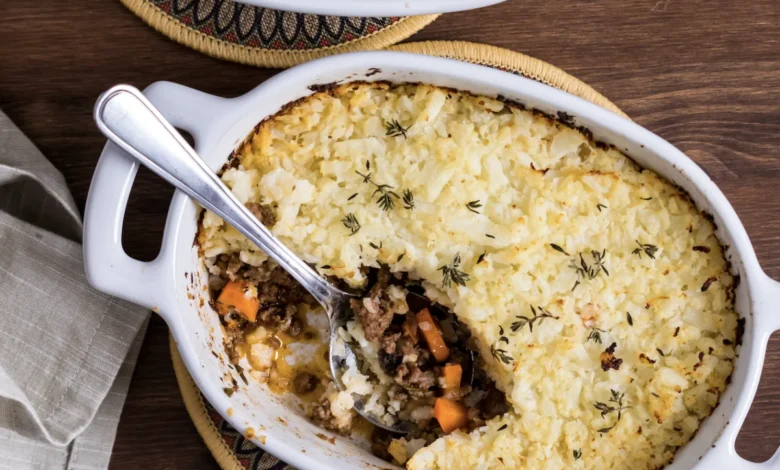
As consumer preferences increasingly lean toward nutrient-dense, lower-carbohydrate alternatives to traditional comfort foods, home cooking trends have evolved to modernize classic recipes without sacrificing taste or satisfaction. A prime example of this culinary shift is the introduction of the Shepherd’s Pie with Cauliflower Crust, a contemporary spin on a British Isles staple that replaces traditional starchy potato toppings with a protein-enriched, velvety mashed cauliflower crown. This modern adaptation addresses the growing demand for family-friendly dinners that balance robust flavors with elevated vegetable consumption, signaling a broader movement within modern home economics and nutritional science toward stealth-health cooking.
Background Context of the Culinary Evolution
Traditional shepherd’s pie holds a long-standing position in global comfort food culture. Historically originating in the rural households of Ireland and Scotland during the late 18th and early 19th centuries, the dish was designed as an economical way to utilize leftover roasted meats, root vegetables, and potatoes. Strictly speaking, culinary purists define a shepherd’s pie as incorporating minced lamb, while variations utilizing ground beef are historically classified as cottage pies. Over generations, the dish transcended its utilitarian roots to become a global comfort food staple, prized for its layered textures of savory meat, tender vegetables, and toasted carbohydrates.
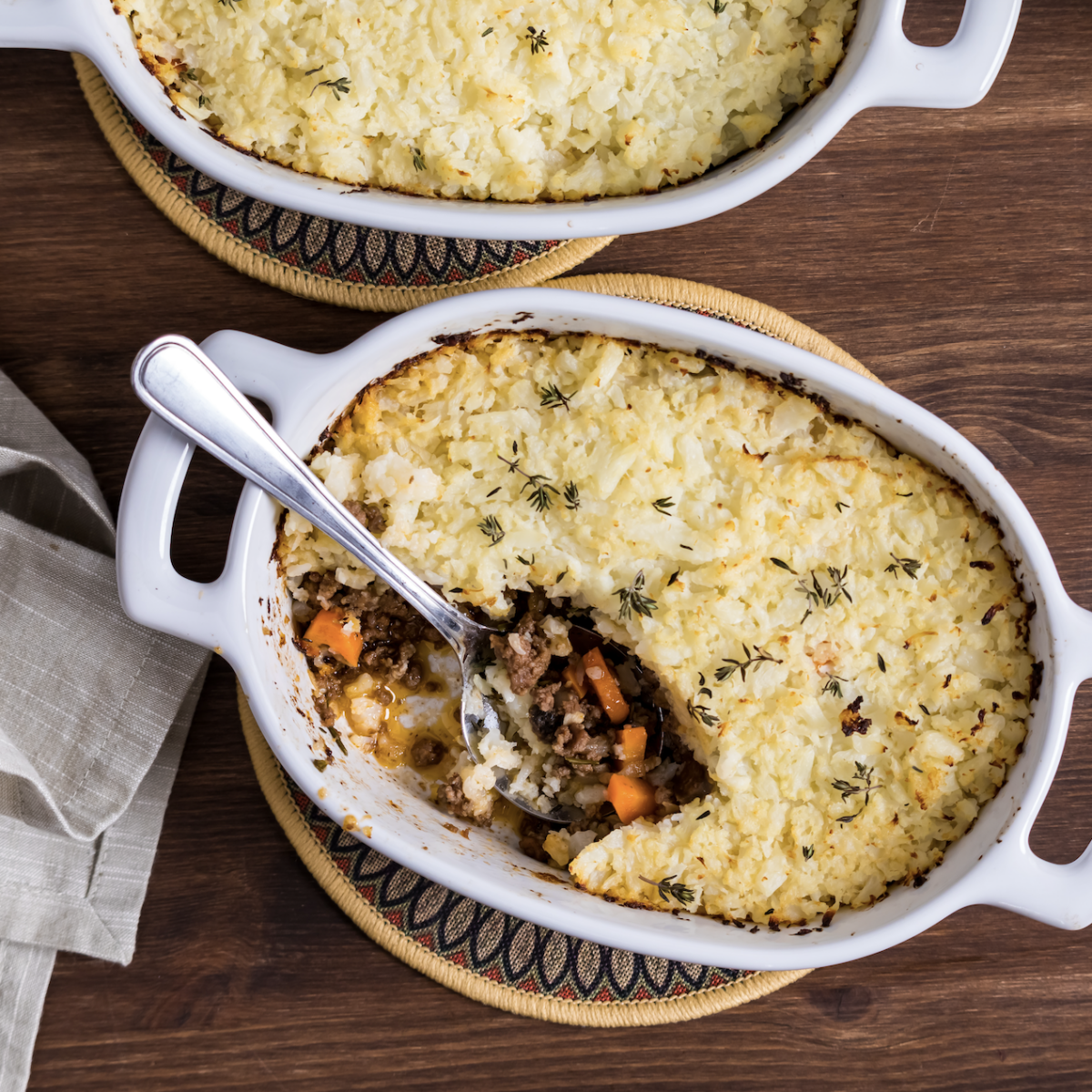
However, modern dietary shifts have prompted a re-evaluation of heavy carbohydrate reliance in staple meals. The rise of low-carbohydrate, ketogenic, and nutrient-dense dietary frameworks over the past decade has fundamentally altered how home cooks approach dinner planning. Culinary innovators and nutritionists have sought methods to reduce glycemic loads while maintaining the sensory appeal of comfort foods. Substituting potatoes with cauliflower—a cruciferous vegetable rich in Vitamin C, Vitamin K, and folate—emerged as a primary method for reducing overall carbohydrate content. By pairing a savory base of lean proteins and fiber-rich vegetables with a whipped cauliflower topping fortified with Greek yogurt and Parmesan cheese, culinary developers have successfully bridged the gap between health consciousness and traditional palate satisfaction.
Nutritional Analysis and Dietary Implications
Nutritional scientists and dietitians have increasingly endorsed cruciferous substitutions in family meal planning due to their broad health implications. Cauliflower is exceptionally low in calories and carbohydrates while providing significant amounts of dietary fiber, which supports gastrointestinal health and prolonged satiety. When incorporated into a heavy casserole format, cauliflower mitigates the insulin spikes typically associated with high-glycemic potato toppings.
Furthermore, recipes like the cauliflower-crusted shepherd’s pie address a persistent challenge in domestic nutrition: increasing vegetable intake among children and reluctant eaters. Research in nutritional behavioral psychology indicates that blending nutrient-dense ingredients into familiar, highly palatable formats significantly improves dietary acceptance rates. By combining a rich meat-and-vegetable filling with a smooth, savory cauliflower mash, the dish introduces essential micronutrients—such as beta-carotene from carrots, antioxidants from alliums, and glucosinolates from the cruciferous vegetable base—without alienating diners accustomed to traditional comfort foods.
Methodological Precision: Mastering Moisture Control
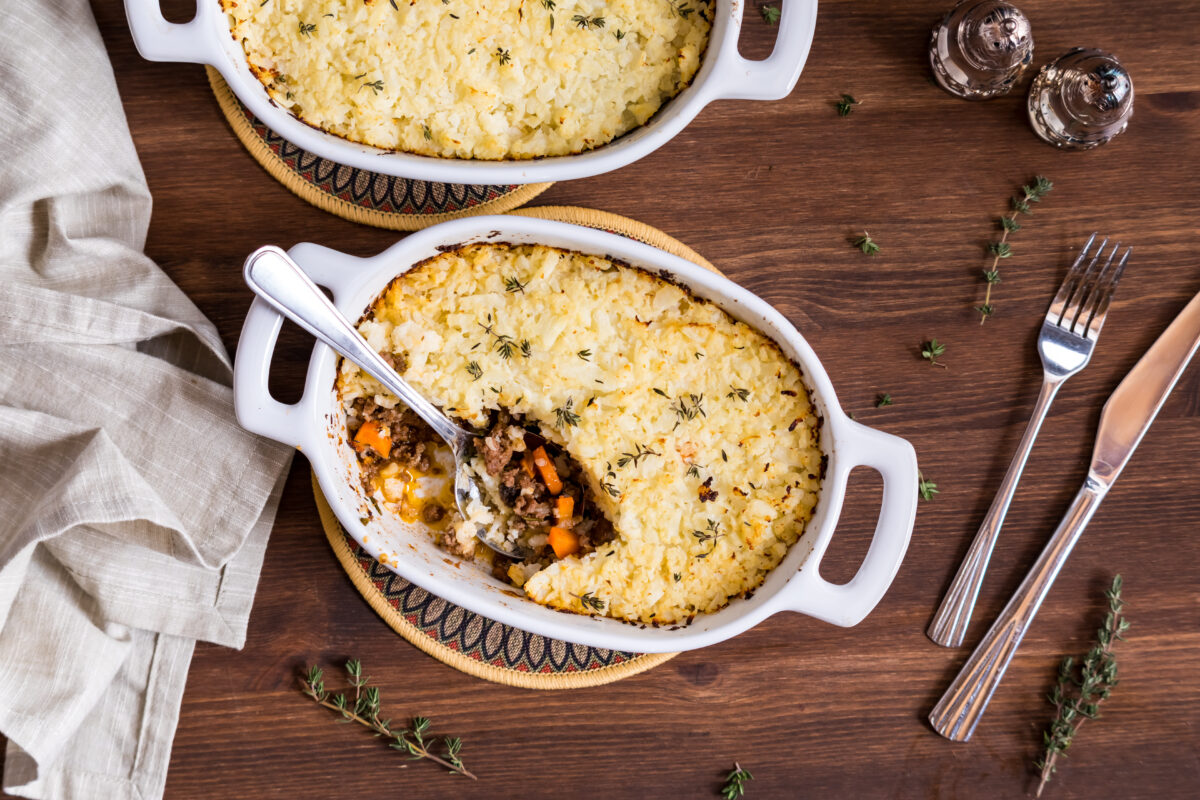
The culinary execution of a cauliflower-based crust presents distinct technical challenges that set it apart from standard potato preparations. Unlike potatoes, which possess a dry, starch-bound cellular structure capable of absorbing moisture, cauliflower contains a high percentage of water by weight. Consequently, improper preparation can result in a watery casserole that fails to hold its structural integrity when sliced.
Professional culinary techniques emphasize aggressive moisture reduction as the cornerstone of a successful cauliflower crust. The standard protocol requires boiling or steaming fresh or frozen cauliflower florets until thoroughly tender, followed by an intensive drainage phase. To eliminate residual liquid, culinary experts recommend returning the drained cauliflower to a warm cooking vessel over low heat for several minutes, allowing trapped steam to evaporate. The resulting dry vegetable matrix is then blended with high-fat, low-moisture binding agents—such as authentic Parmesan cheese and thick Greek yogurt—rather than watery milk or excessive butter. This scientific approach ensures a velvety texture that mirrors traditional mashed potatoes while maintaining structural stability during the baking process.
Integration into Meal Planning and Domestic Efficiency
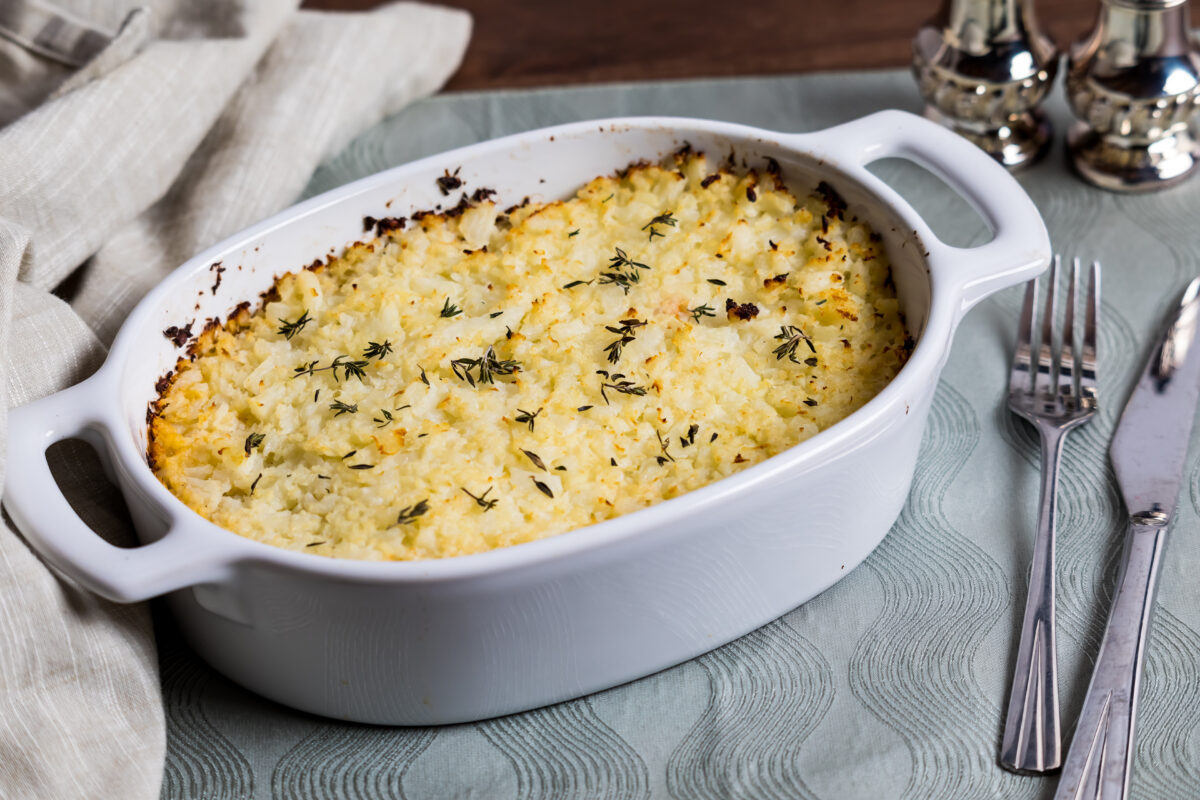
Beyond nutritional advantages, the modern cauliflower-crusted shepherd’s pie aligns with contemporary lifestyle demands centered on meal prep efficiency and freezer management. In an era where dual-income households and busy schedules prioritize streamlined domestic routines, casserole-style dishes offer distinct logistical benefits.
Food safety and preparation guidelines indicate that assembled casseroles can be refrigerated for up to 24 hours prior to baking, allowing families to prep meals ahead of peak evening hours. Furthermore, the dish demonstrates strong freeze-thaw resilience, provided proper cooling and moisture-blotting protocols are observed. Culinary researchers note that dishes designed for advance preparation significantly reduce reliance on ultra-processed convenience foods, thereby promoting home-based culinary literacy and long-term dietary health.
Industry Reactions and Broader Market Trends
The popularity of cauliflower-based substitutions reflects a broader commercial and domestic trend. Major food manufacturers and culinary publishers have reported a sustained increase in consumer engagement regarding vegetable-forward comfort food adaptations. Food editors and recipe developers attribute this trend to a cultural shift away from restrictive dieting and toward additive nutrition—focusing on what can be incorporated into a meal rather than solely what is eliminated.
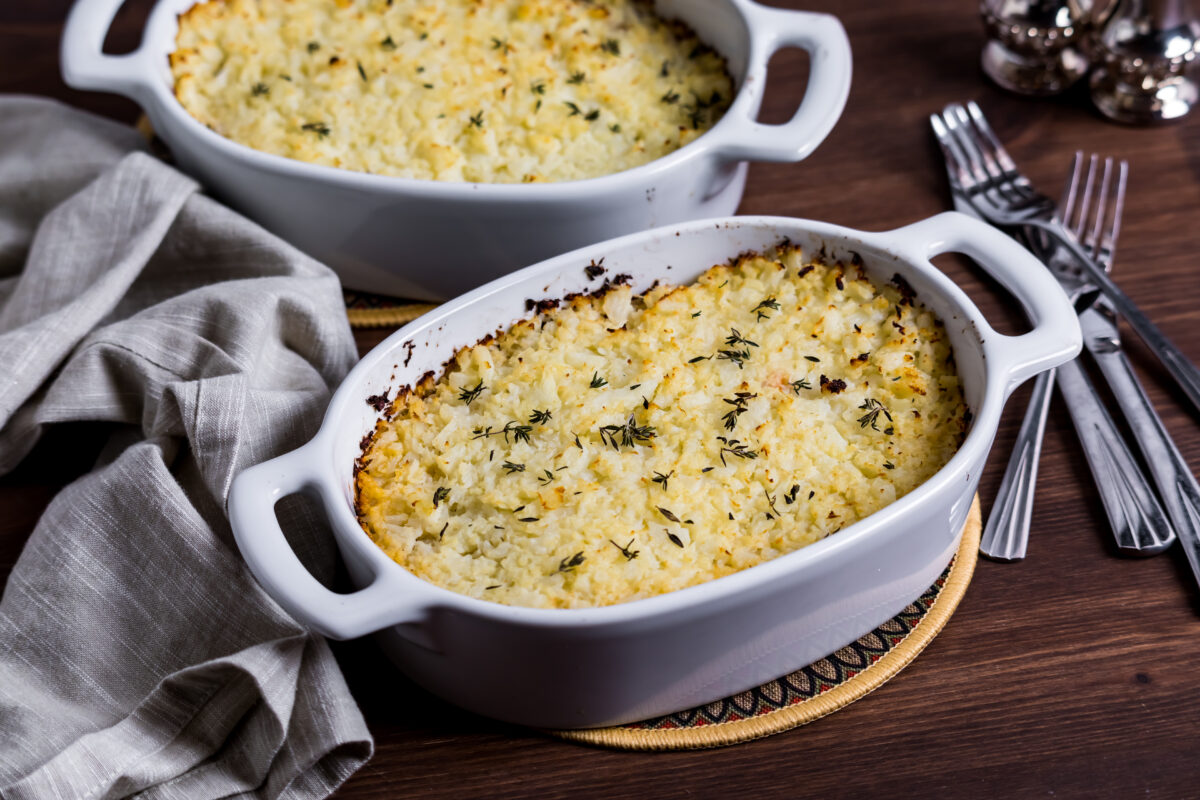
While culinary traditionalists occasionally debate the semantic boundaries of renaming classic recipes, mainstream response remains overwhelmingly positive. Nutritional advocates emphasize that such culinary adaptations provide a practical pathway for populations struggling to meet daily recommended vegetable intake quotas. As home cooking continues to intersect with functional nutrition, recipes that successfully merge historical comfort with modern dietary science are expected to remain a permanent fixture of contemporary domestic gastronomy.