July’s Culinary Calendar: A Week of Fresh Flavors and Family Favorites


The peak of summer produce is in full swing, and as the calendar turns to July, families are looking to capitalize on the season’s bounty with vibrant and accessible meal planning. This week’s featured meal plan highlights a diverse range of dishes, from quick and nutritious breakfasts to satisfying dinners, all designed to make the most of fresh, seasonal ingredients and to simplify weeknight cooking. The approach emphasizes ease of preparation, family-friendly appeal, and the incorporation of healthy options, reflecting a growing trend in home cooking towards both convenience and well-being.
Breakfast: Energizing Starts with Seasonal Smoothies and Weekend Brunches
The week kicks off with a focus on morning smoothies, a staple for busy families seeking a quick and nutrient-dense start to the day. This week’s smoothie rotation includes:
- Green Breakfast Smoothie: A classic choice, likely packed with leafy greens, fruits, and perhaps a source of healthy fats or protein, offering a balanced nutritional profile. The visual appeal of a vibrant green smoothie can also encourage children to consume more vegetables.
- Cotton Candy Smoothie: This whimsical option suggests a sweeter profile, possibly incorporating fruits like berries and bananas, with a creative name to entice younger eaters. It demonstrates how healthy ingredients can be presented in fun and engaging ways.
- Dragon Berry Smoothie: Likely featuring exotic fruits or a vibrant red/pink hue from berries, this smoothie adds an element of excitement and visual appeal. The use of "dragon" in the name hints at a potentially unique ingredient combination.
- Vanilla Cinnamon Date Shake: This option offers a comforting and naturally sweet flavor, utilizing dates for sweetness and vanilla and cinnamon for warmth. It’s a testament to using whole foods for flavor and energy.
For weekend indulgence, Chocolate Pancakes are slated for brunch. This classic treat offers a comforting and celebratory start to the weekend, providing a delightful contrast to the weekday smoothie routine. The inclusion of chocolate, a universally loved flavor, makes it a crowd-pleaser.

The emphasis on smoothies aligns with broader health trends, where research consistently shows that incorporating fruits and vegetables into daily diets is crucial for overall well-being. According to the Centers for Disease Control and Prevention (CDC), only about 1 in 10 adults and even fewer children eat the recommended amount of fruits and vegetables daily. Smoothies provide a convenient vehicle to bridge this gap, allowing for the inclusion of various nutrient-rich ingredients in a palatable format.
Midday Nourishment: Wholesome Snacks and Satisfying Lunches
Snack time is addressed with a selection of both preppable and portable options, designed to keep energy levels stable throughout the day.
- Coconut Chia Breakfast Pudding: This versatile dish can be prepared ahead of time, making it an excellent option for grab-and-go breakfasts or snacks. Chia seeds are renowned for their omega-3 fatty acids, fiber, and protein content, offering sustained energy release. Coconut milk adds a creamy texture and tropical flavor.
- Protein Balls: These bite-sized energy boosters are typically made with a combination of oats, nuts, seeds, dried fruit, and protein powder or nut butter. They are a highly customizable snack, perfect for a quick energy lift.
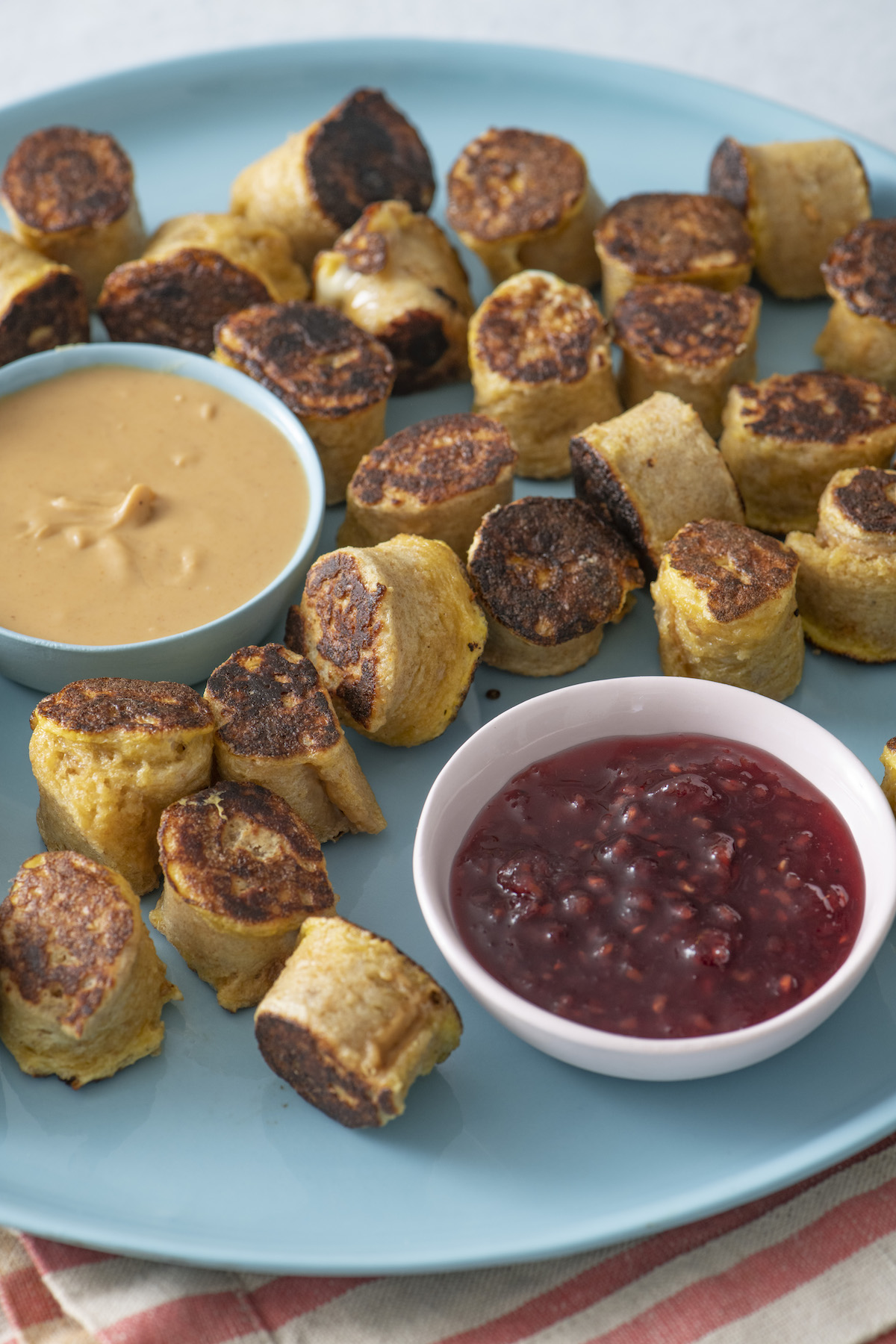
- Peanut Butter French Toast Sushi Rolls: This creative and fun snack reimagines French toast in a portable, roll-up format. The combination of peanut butter and French toast offers a satisfying blend of protein, carbohydrates, and healthy fats, appealing to both children and adults.
- Strawberry Muffins: Utilizing the sweetness of in-season strawberries, these muffins provide a delightful treat. While muffins can sometimes be high in sugar, recipes can be adapted to incorporate whole grains and reduce refined sugars, making them a more wholesome option.
Lunch options for the week aim for a balance of fresh, flavorful, and easily portable meals:
- Turkey Club Lettuce Wraps: A lighter, low-carb alternative to traditional sandwiches, these wraps offer a satisfying combination of turkey, crisp lettuce, and classic club sandwich fixings. They are ideal for those seeking to reduce carbohydrate intake while enjoying familiar flavors.
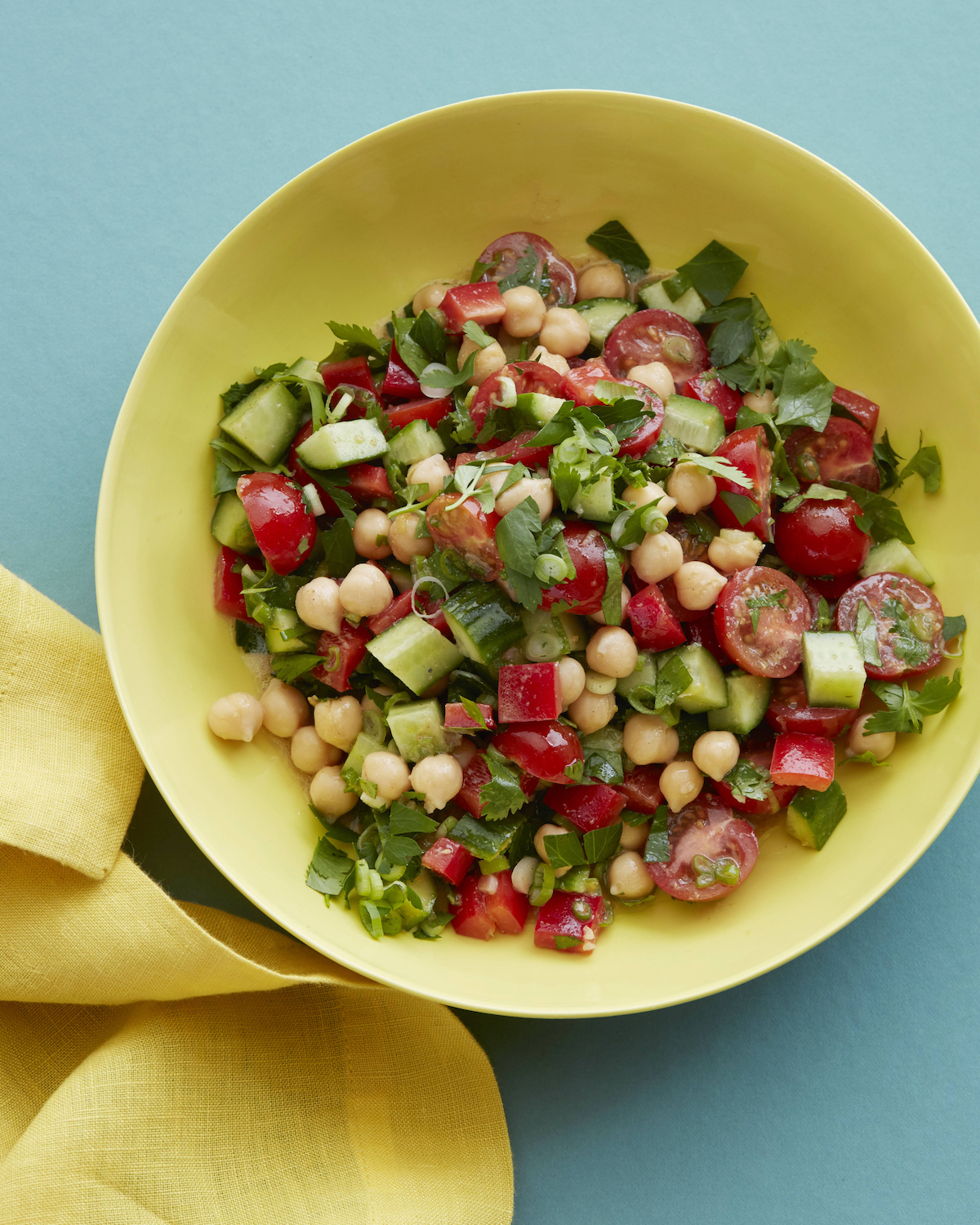
- Mediterranean Chopped Salad: This vibrant salad is a nutritional powerhouse, typically featuring a medley of fresh vegetables like cucumbers, tomatoes, bell peppers, olives, and leafy greens, often tossed with a light vinaigrette. It embodies the health benefits of the Mediterranean diet, which is linked to numerous positive health outcomes.
- Caprese Quiche: A sophisticated yet approachable dish, this quiche combines the fresh flavors of tomatoes, mozzarella, and basil with a savory egg custard. It can be prepared in advance and served warm or cold, making it a convenient lunch option.
- Uncrustables: While the specific recipe isn’t detailed, "Uncrustables" typically refers to homemade versions of the popular pre-packaged sandwich. This suggests a focus on convenience and potentially healthier homemade alternatives to store-bought options, likely involving bread, a filling like peanut butter and jelly, and a crimped edge.
The popularity of these types of lunch and snack items reflects a broader culinary shift towards meals that are both convenient for busy schedules and packed with nutritional value. The demand for grab-and-go options that don’t compromise on health is a significant driver in the food industry.
Dinner Delights: A Week of Diverse Flavors and Family-Friendly Meals
The dinner menu for the week offers a diverse culinary journey, showcasing a range of proteins, vegetarian options, and global influences, all while prioritizing ease of preparation.
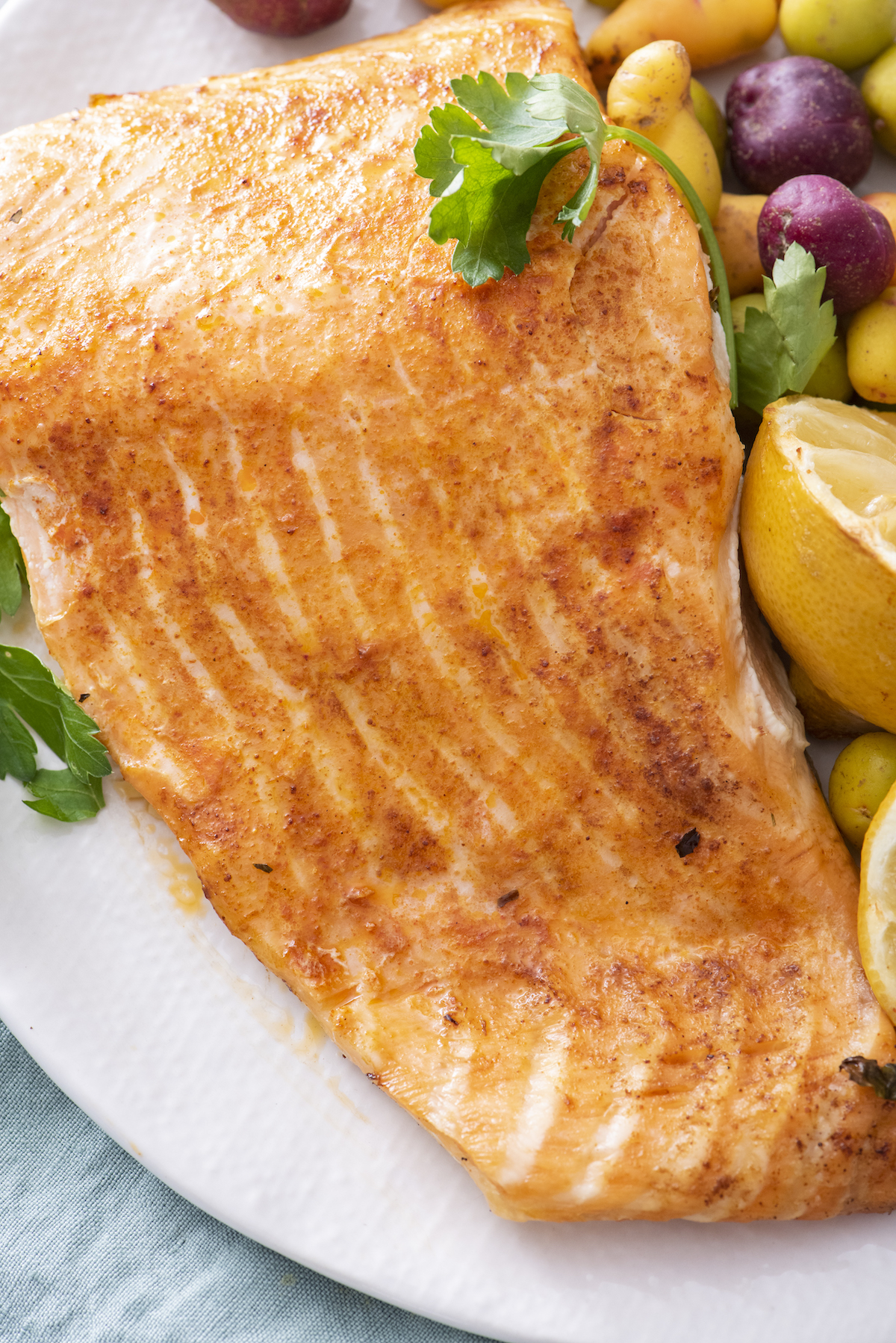
Sunday: The week begins with Air Fryer Salmon served alongside a Heirloom Tomato Salad and Cauliflower Steaks. This meal highlights the versatility of the air fryer for quick and healthy cooking, with salmon being a rich source of omega-3 fatty acids. Heirloom tomatoes, at their seasonal best, provide a burst of fresh flavor and vibrant color. Cauliflower steaks offer a substantial and nutritious vegetarian alternative. This meal exemplifies a balanced approach, incorporating lean protein, fresh vegetables, and a plant-based main.
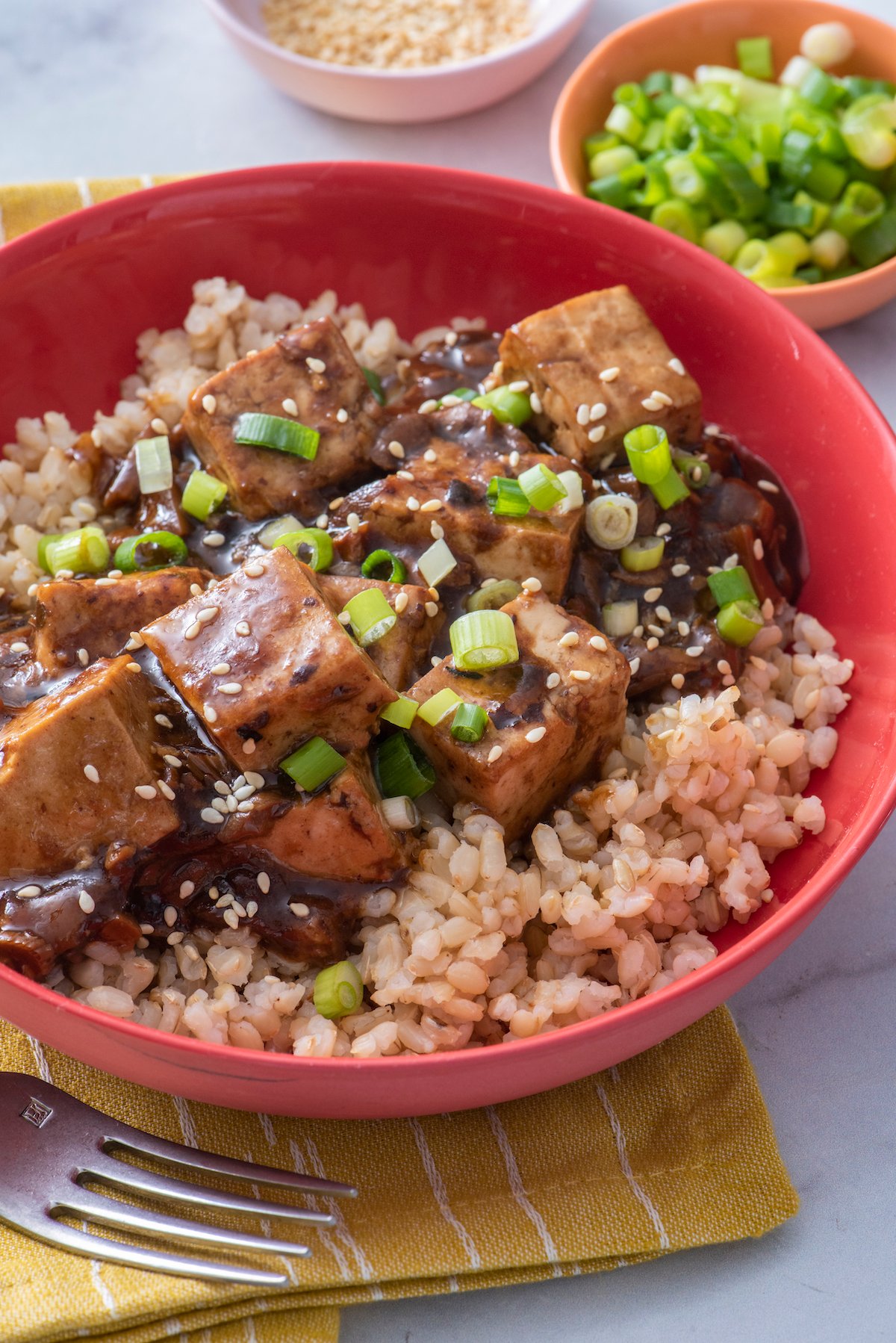
Monday: A Meatless Monday is celebrated with Mapo Tofu served with Brown Rice. Mapo Tofu, a classic Sichuan dish, offers a flavorful and slightly spicy vegetarian option, demonstrating how plant-based meals can be exciting and satisfying. Brown rice provides complex carbohydrates and fiber, making it a healthy accompaniment. This choice aligns with the growing popularity of plant-based eating, driven by health, environmental, and ethical considerations. Global vegetarian dishes are increasingly being integrated into mainstream meal plans.
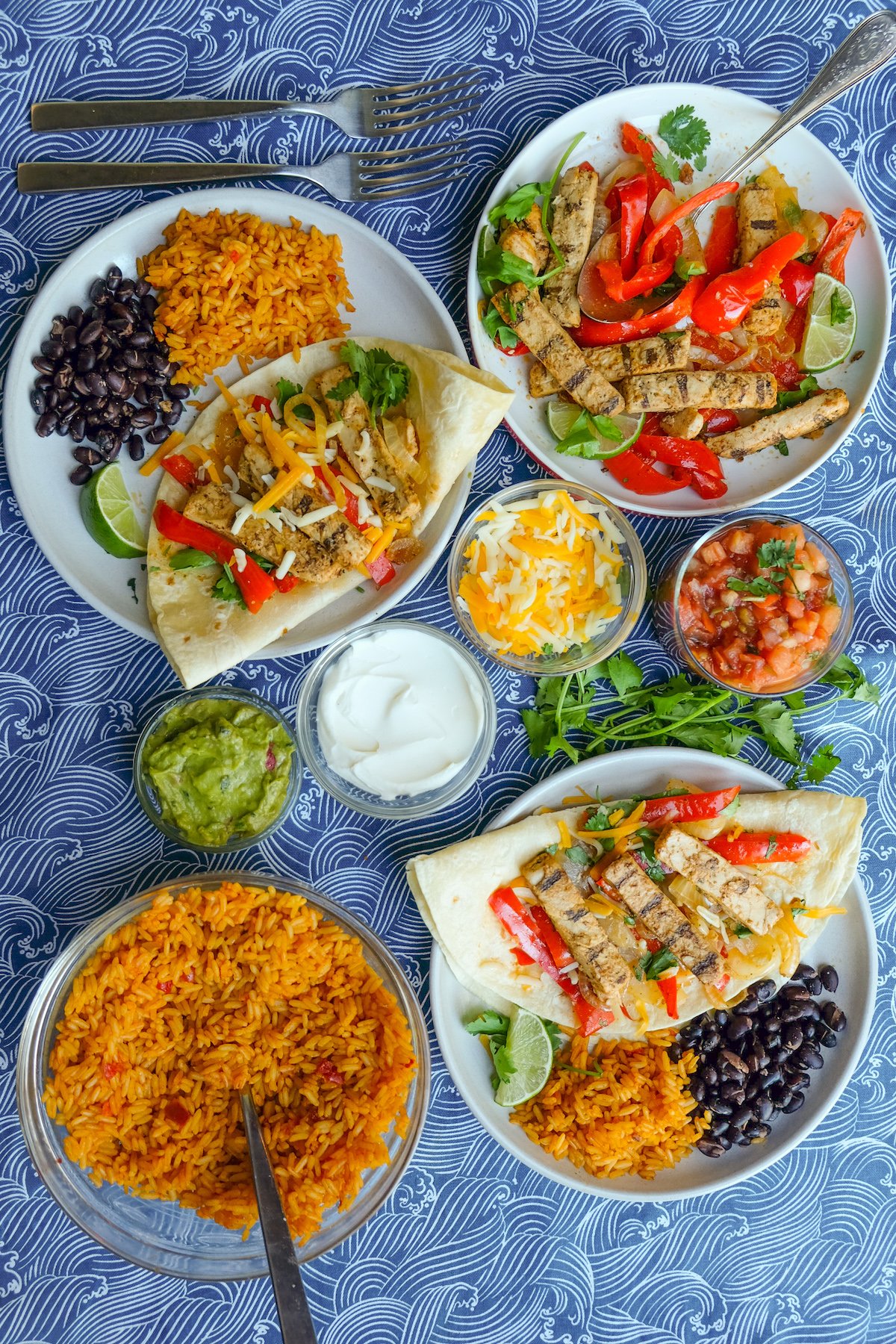
Tuesday: Chicken Fajitas with Spanish Rice and Black Beans offer a fun and interactive dinner experience. The customizable nature of fajitas allows each family member to assemble their meal according to their preferences, fostering engagement at the dinner table. This Mexican-inspired meal is a family favorite, known for its vibrant flavors and satisfying combination of ingredients. The inclusion of Spanish rice and black beans adds depth and complements the main dish.
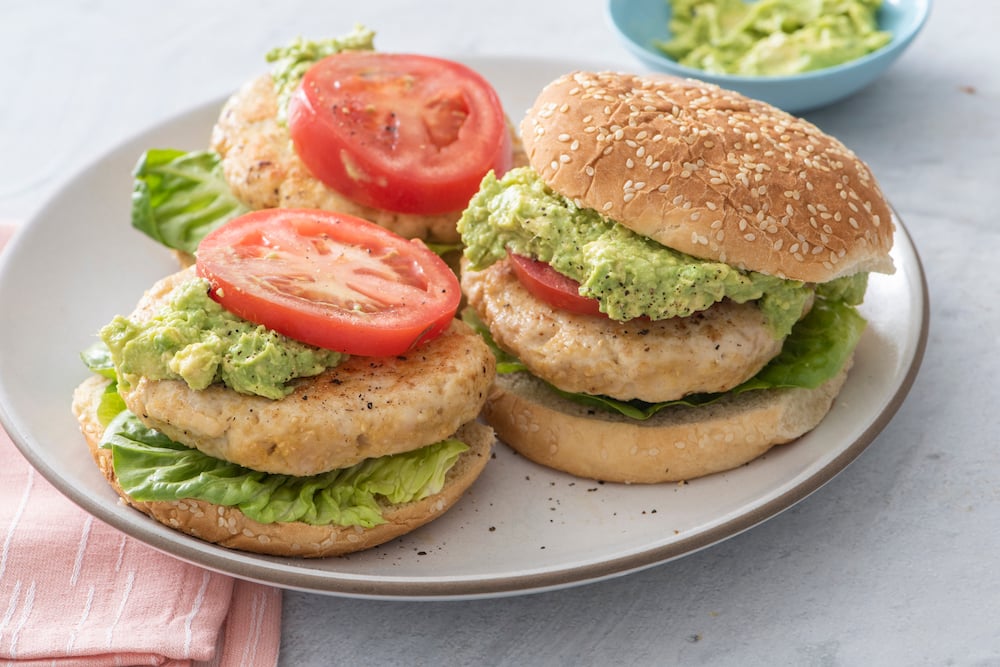
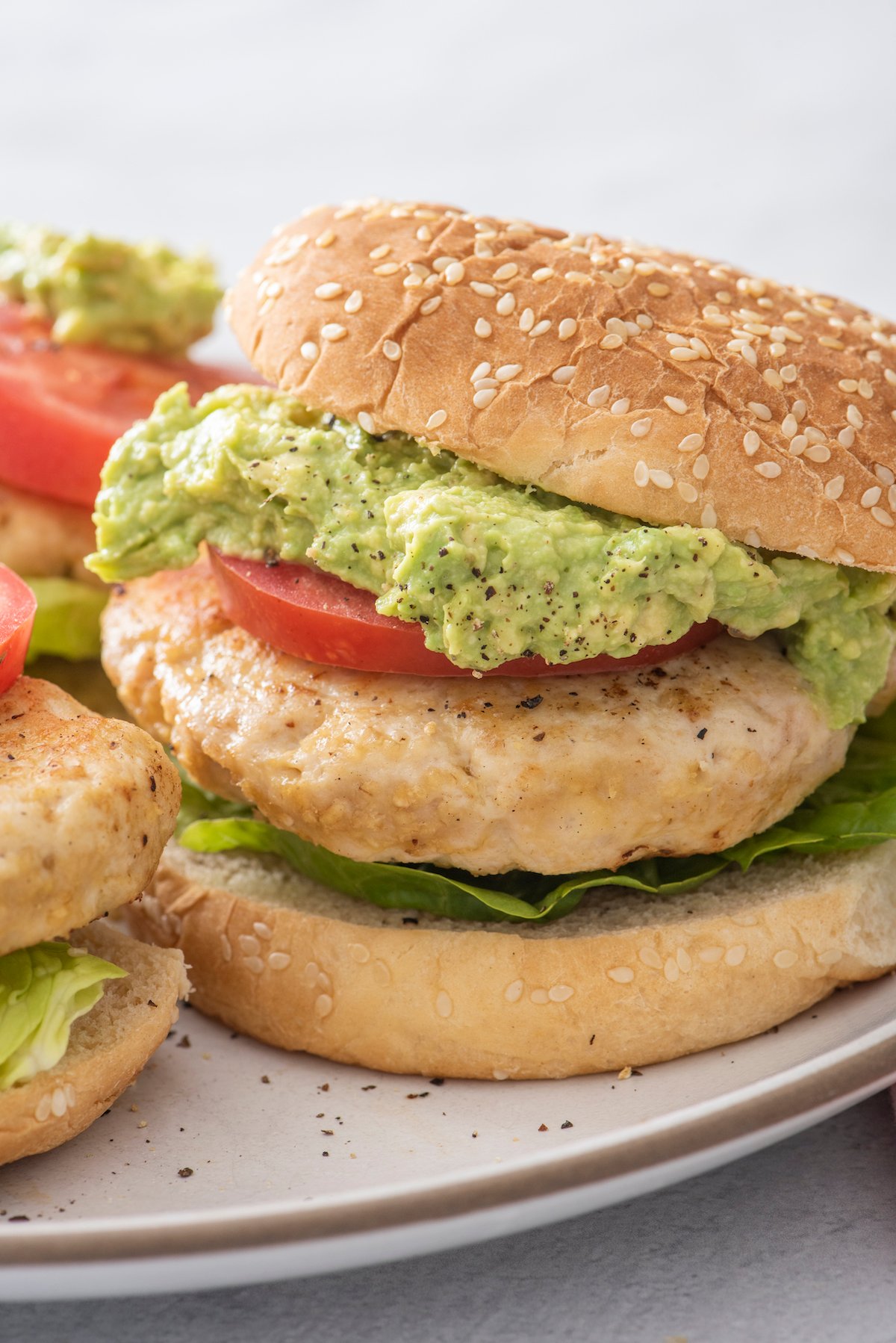
Wednesday: The Best Turkey Burger, noted for a "secret ingredient for added nutrition," is paired with Air Fryer French Fries. Turkey burgers are a leaner alternative to beef burgers, and the addition of a hidden nutritious component underscores the effort to enhance the health profile of a classic comfort food. Air fryer fries provide a crispier, often healthier, alternative to deep-fried versions. This meal offers a familiar and comforting option that can be easily adapted for varying dietary needs.
Thursday: Chicken, Peach & Bell Pepper Skewers are served with Brown Rice Cakes and a Sugar Snap Pea and Asparagus Sauté. This dish beautifully incorporates seasonal summer peaches, offering a delightful sweet and savory combination. Skewers are visually appealing and encourage grilling or oven-roasting, methods that often require less added fat. The side dishes provide wholesome grains and fresh, crisp vegetables, creating a well-rounded meal. The use of seasonal fruit in savory dishes is a hallmark of summer cooking.
Friday: The week concludes with Pizza Muffins and a simple side salad. Pizza muffins offer a fun, individual-sized take on a beloved dish, making them ideal for busy evenings or as a portable lunch option. The accompanying salad adds a fresh, green element. For dessert and weekend snacking, Peach Cake is on the menu, again capitalizing on the abundance of summer peaches. This combination provides a relaxed and enjoyable end to the week’s structured meal planning.
Saturday: To cap off the week, the plan includes ordering in from a local restaurant. This acknowledges the reality of busy weekends and the desire for convenience, while also supporting local businesses. It provides a break from home cooking and an opportunity to explore different culinary offerings.
The overall strategy behind this week’s meal plan emphasizes several key culinary trends: the utilization of seasonal produce, the incorporation of healthy cooking methods like air frying and grilling, the inclusion of plant-based options, and the balancing of convenience with nutritious choices. The focus on family-friendly meals that can be adapted to individual preferences further underscores the desire for stress-free and enjoyable mealtimes. As families navigate the demands of modern life, well-thought-out meal plans that offer variety, health benefits, and ease of preparation are becoming increasingly essential.