Healthy Beef and Broccoli: A Nutritional Analysis of Modern Home-Cooking Trends


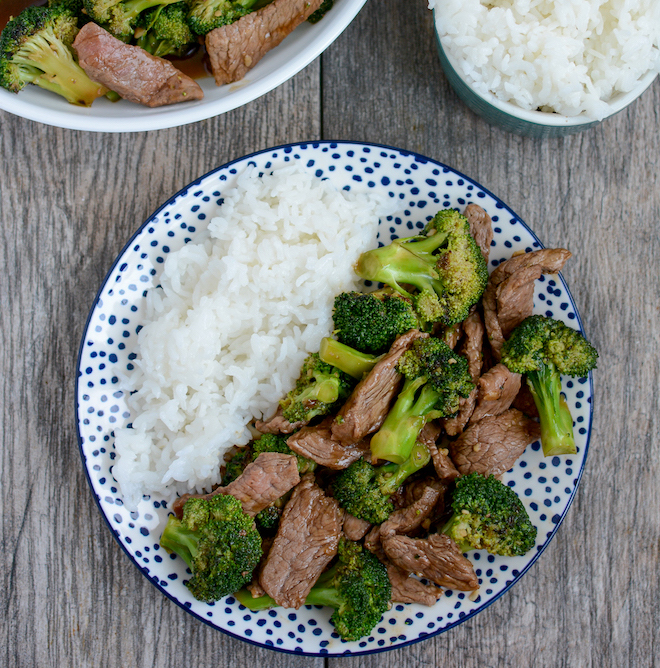
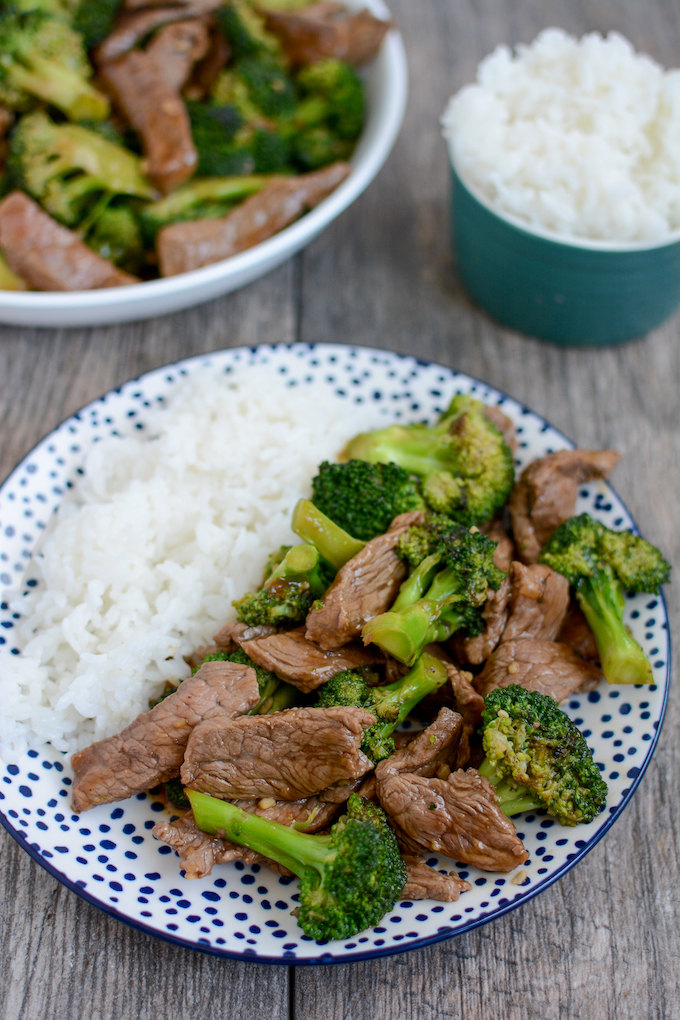
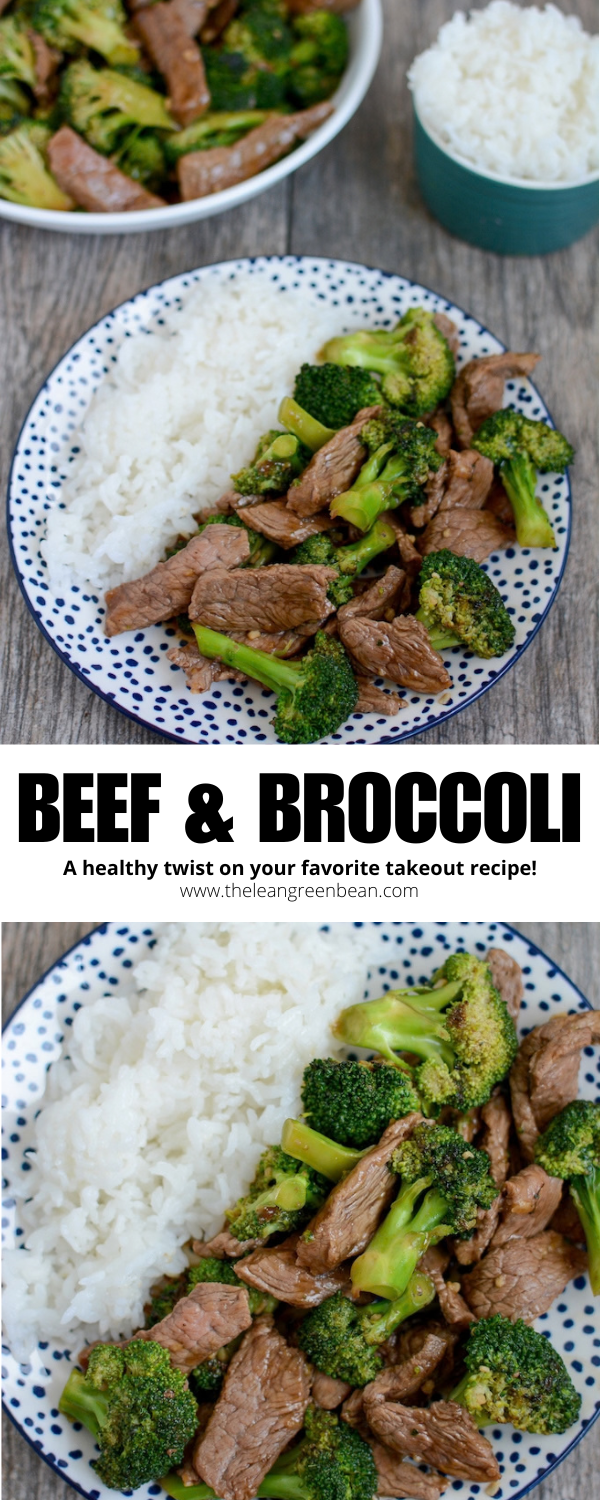
The shift toward home-prepared meals has significantly transformed how consumers approach traditional takeout staples, with the "Healthy Beef and Broccoli" stir-fry emerging as a focal point for those seeking a balance between convenience and nutritional integrity. Recent culinary data indicates that a growing segment of the population is actively seeking to reduce intake of refined sugars and sodium—two common additives in commercialized Asian-inspired cuisine—without sacrificing the familiar flavor profiles associated with the dish.
Nutritional Context and Consumer Behavior
Traditional restaurant-style beef and broccoli is frequently criticized by nutritionists for its reliance on high-fructose corn syrup, excessive sodium in soy-based sauces, and the use of heavy oils for high-heat wok frying. According to industry reports from the American Dietetic Association, the average restaurant serving of this dish can contain upwards of 1,500 milligrams of sodium, nearly 65% of the recommended daily limit for an average adult.
In contrast, the "lightened-up" home-cooked iteration focuses on ingredient modification. By utilizing fresh garlic and ginger as primary aromatics rather than relying on pre-packaged, sugar-heavy sauces, home cooks are successfully reducing the glycemic impact of the meal. Furthermore, the practice of steaming broccoli florets in a controlled amount of water—rather than deep-frying or flash-frying in refined vegetable oils—reduces the overall caloric density while preserving the fiber content and texture of the cruciferous vegetable.
Evolution of the Recipe: A Chronology of Preparation Methods
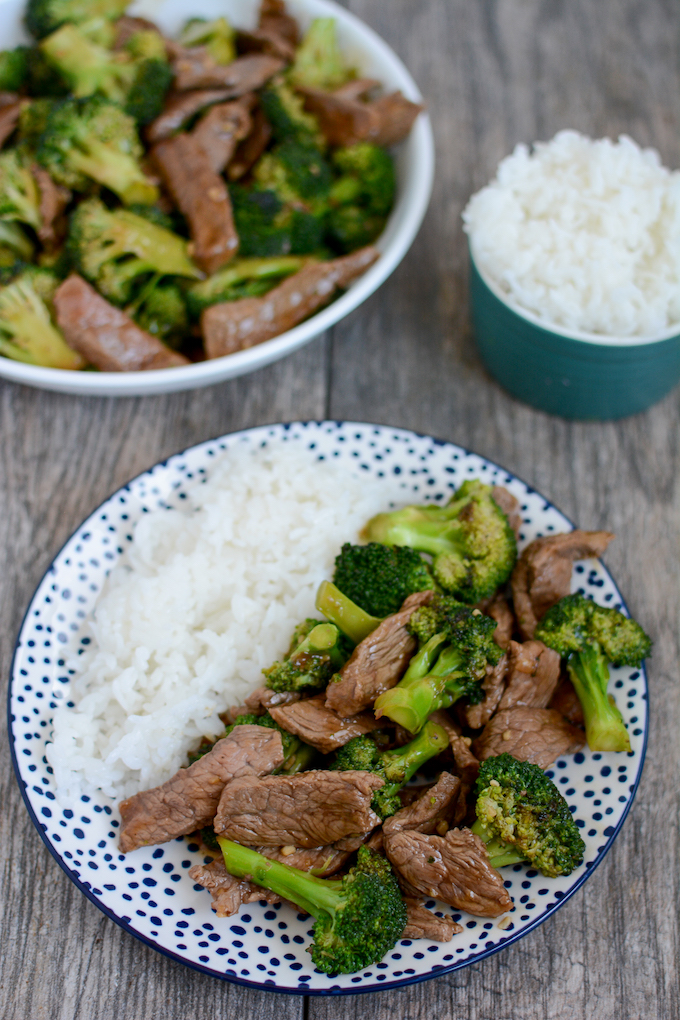
The methodology for preparing this dish has evolved from traditional techniques to modern, time-efficient practices designed for the contemporary household.
- Pre-2010s: The standard approach involved marinating tough cuts of beef for hours, followed by rigorous wok-searing techniques that required significant oil to prevent sticking.
- 2010–2020: The rise of the "quick-dinner" culture prioritized the 20-minute preparation window. Techniques shifted toward slicing beef thinner and using high-heat stainless steel or non-stick surfaces, eliminating the need for excessive oil.
- 2020–Present: The current focus is on customization and dietary inclusivity. This includes the widespread adoption of tamari as a gluten-free alternative to traditional soy sauce and the integration of slow-cooker technology for those prioritizing "hands-off" meal preparation.
Technical Analysis: The Science of Beef Texture
A recurring challenge in home-cooked stir-fry is achieving the "velveting" effect seen in professional kitchens, which prevents the beef from becoming dry or chewy. Professional chefs and food scientists emphasize two specific mechanical variables that determine the outcome:
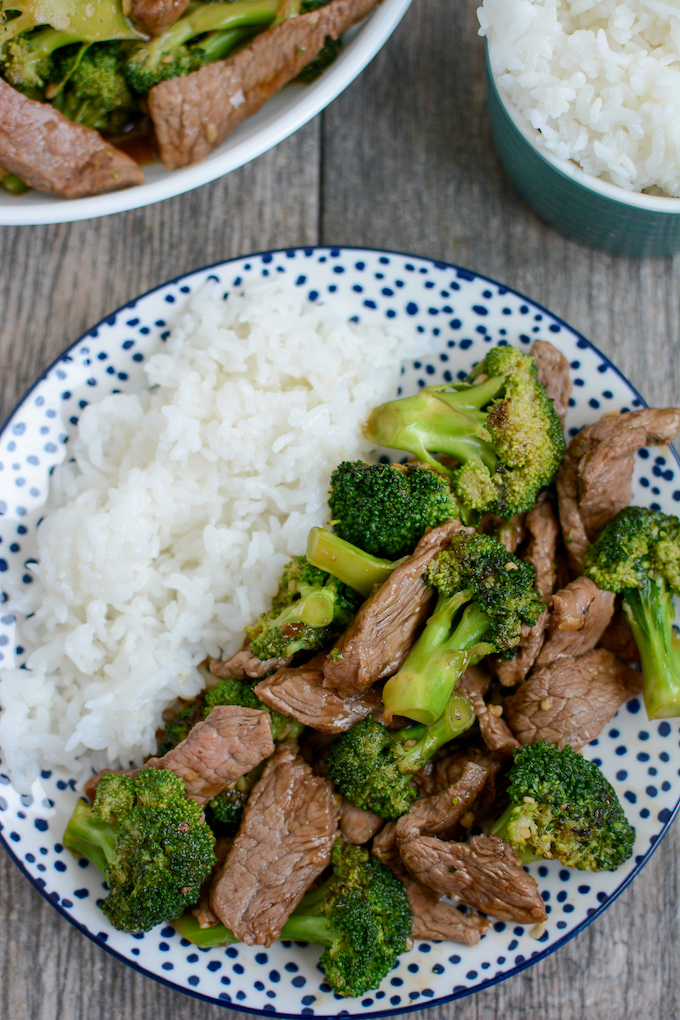
- The Grain Factor: The structural integrity of beef is determined by its muscle fibers. Slicing against the grain—the direction in which the fibers run—effectively shortens the fibers, making the meat significantly easier to chew.
- Thermal Management: Beef strips, particularly lean cuts like flank or sirloin, possess a low threshold for heat. Overcooking is the primary cause of toughness. Data suggests that flash-cooking the protein for no more than two minutes per side, combined with a brief "resting" period, maintains moisture levels within the muscle tissue.
Comparative Dietary Implications
The broader impact of shifting from takeout to home-prepared versions of this dish extends beyond individual health. As households move toward controlled-sodium cooking, the long-term public health implications include a reduction in hypertension risk associated with high-salt diets.
When comparing standard ingredients, the substitution of low-sodium tamari or reduced-sodium soy sauce remains the most effective way to lower the sodium profile without altering the chemical reaction between the protein and the pan. Culinary analysts suggest that the umami flavor—the "fifth taste"—is sufficiently achieved through the natural glutamates in soy-based products and the sulfur compounds in garlic and ginger, rendering high-sugar additives unnecessary.
Professional Perspectives on Culinary Scaling
Registered Dietitians, such as Lindsay Livingston, often advocate for this dish as a "complete meal" model. By incorporating protein (beef), fiber (broccoli), and complex carbohydrates (typically served with brown rice or quinoa), the dish provides a balanced macronutrient ratio.
"The objective is not to remove flavor, but to optimize the delivery of nutrients," notes a recent study on home-meal composition. "When the consumer controls the input, they effectively eliminate the ‘hidden’ additives that restaurants use to maintain shelf-stability and mass-market palatability."
Strategic Substitutions and Dietary Adaptations
For households with specific dietary restrictions, the beef and broccoli framework is highly adaptable. Recent culinary adaptations have focused on the following:
- Gluten Sensitivity: Replacing traditional soy sauce with coconut aminos or tamari, which are naturally fermented without wheat.
- Low-Carbohydrate Diets: Serving the protein and broccoli over cauliflower rice or shredded cabbage, which maintains the volume of the meal while significantly reducing the glycemic load.
- Vegetarian Alternatives: Substituting thinly sliced mushrooms or seitan for the beef, which mirrors the texture of the original dish while providing a plant-based protein source.
Broader Economic and Health Impact
The rise in at-home preparation of such classics signals a broader trend in consumer autonomy. By moving away from processed, delivery-based meals, individuals are regaining control over the micronutrient profile of their daily intake. While the initial investment in fresh produce and quality lean beef may seem higher than a discount takeout order, the long-term health outcomes—such as better blood sugar regulation and reduced sodium intake—offer a significant return on investment.
Furthermore, the integration of technology, such as the use of slow cookers for a four-to-five-hour braise, allows for the tenderization of tougher, more affordable cuts of meat. This makes the dish not only nutritionally superior but also economically viable for a wide range of households. As global food prices fluctuate, the ability to replicate restaurant-quality meals at home using staple ingredients like broccoli, garlic, and ginger represents a sustainable approach to long-term dietary management.
Conclusion: Future Outlook
As the culinary landscape continues to prioritize health-conscious convenience, the Beef and Broccoli model serves as an ideal template for future home-cooking innovations. By focusing on simple, whole-food ingredients and efficient cooking methods, consumers are successfully closing the gap between the convenience of takeout and the necessity of nutritional health. The continued refinement of these recipes, supported by access to digital resources and nutritional education, suggests that the "lightened-up" home-cooked meal is not merely a passing trend, but a permanent fixture in the modern kitchen.